
Malenadu Travel
This Malenadu travel guide is for anyone planning time in the rain hills of Karnataka, from a long weekend in Chikkamagaluru to a slow week through Sirsi, Agumbe and Kodagu. It explains how the region is laid out, how to get there, where to stay, which routes work, what to eat and what to carry home.
On this page
Malenadu travel guide: how the region is laid out
Malenadu (ಮಲೆನಾಡು, “the land of hills”) is the long belt of Western Ghats hills and their wet eastern slopes that runs north to south through Karnataka. The easiest way to plan is to split it into three parts: north, centre and south.
If you want the meaning of the name and the full list of sights, start with our page on Malenadu in Karnataka and its tourist places. For taluk level detail, see the district by district map of Malenadu. This Malenadu travel guide sticks to the practical side: getting around and making the most of your days.
| Part | Districts | What it feels like | Good bases |
|---|---|---|---|
| North | Uttara Kannada, Belagavi hills | Areca and pepper gardens, deep river valleys, quiet roads | Sirsi, Yellapur, Siddapur, Honnavar side ghats |
| Centre | Shivamogga, Chikkamagaluru | Rainforest at Agumbe, temple towns, coffee and the highest peaks | Sagara, Thirthahalli, Agumbe, Sringeri, Chikkamagaluru |
| South | Hassan (Sakleshpura side), Kodagu | Coffee and cardamom estates, misty ridges, Kodava homes | Sakleshpura, Madikeri |
The hills are part of the Western Ghats, which are listed as a UNESCO World Heritage Site for their forests and for the plants and animals found nowhere else. Many of the best walks in this Malenadu travel guide sit inside protected forest, so rules, permits and closures are part of every trip.
Malenadu travel guide to the main bases
The best way to see the hills is to pick one or two bases and make day trips from there. This Malenadu travel guide suggests these ten bases.
| Base | District | Good for |
|---|---|---|
| Sirsi | Uttara Kannada | Marikamba temple, Unchalli and Shivaganga falls, areca and pepper gardens |
| Yellapur | Uttara Kannada | Magod and Sathodi falls, Jenukallu Gudda viewpoint, forest drives |
| Honnavar side ghats | Uttara Kannada | Sharavathi backwaters, Gerusoppa, easy access by Konkan Railway |
| Sagara | Shivamogga | Jog Falls, Keladi and Ikkeri temples, Linganamakki backwaters |
| Thirthahalli | Shivamogga | Tunga riverside town, Kuppalli (Kuvempu’s home), areca country |
| Agumbe | Shivamogga | Rainforest walks, the sunset point, falls reached on forest trails |
| Sringeri | Chikkamagaluru | Sharada Peetha on the Tunga, Sirimane falls, Kigga |
| Chikkamagaluru | Chikkamagaluru | Coffee estates, Mullayanagiri, Baba Budangiri, Kemmangundi |
| Sakleshpura | Hassan | Manjarabad fort, Bisle viewpoint, coffee and cardamom estates |
| Madikeri | Kodagu | Raja’s Seat, Abbey Falls, Talakaveri and Kodava food |
Sirsi and Yellapur suit people who want quiet green roads and very few crowds. Sagara, Thirthahalli, Agumbe and Sringeri sit close together, so you can stay in one and see the others. Chikkamagaluru and Madikeri have the most hotels but also the most weekend traffic.
For a first visit, this Malenadu travel guide would pick Sagara or Sringeri in the centre. Both put Jog, Agumbe and the Tunga valley within easy reach.
Local tip
Often the best Malenadu travel guide is your homestay host. Ask which falls or viewpoints are open this week, because forest closures change often and the host usually knows first.
How to reach Malenadu by air, rail and road
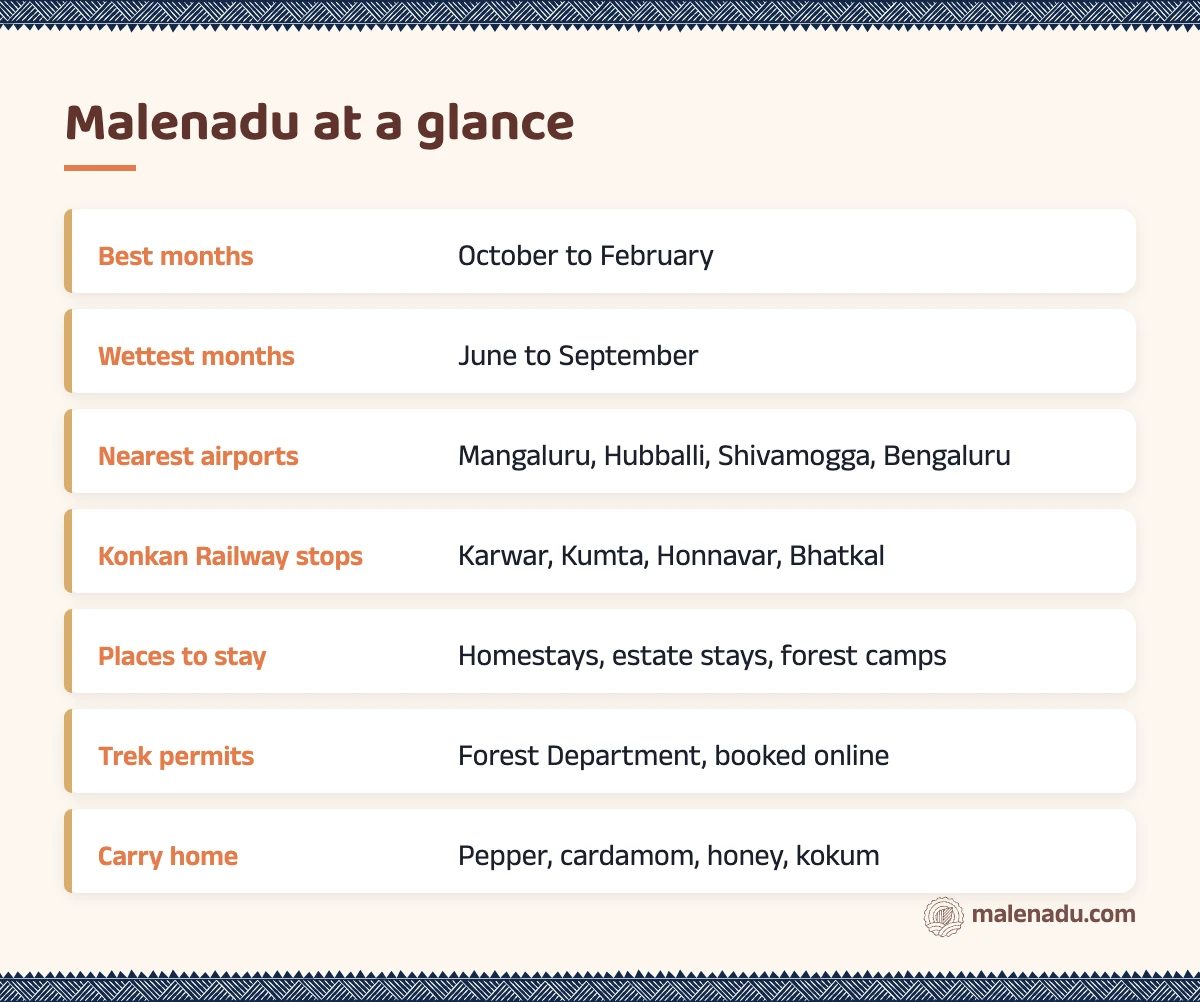
The short answer on how to reach Malenadu: fly to Mangaluru, Hubballi, Shivamogga or Bengaluru, then take a train or bus to the nearest hill town and hire a local taxi for the last stretch. No single airport covers the whole region. This Malenadu travel guide groups the options by the part you are visiting.
Nearest airports
- Mangaluru: the best choice for Agumbe, Sringeri, Kudremukh, Sakleshpura and Kodagu, since several ghat roads climb from the coast.
- Hubballi: the best choice for the north, including Sirsi, Yellapur and Dandeli.
- Shivamogga: the closest airport for Sagara, Jog, Thirthahalli and Agumbe. It has fewer flights, so check current schedules.
- Bengaluru: the most flights, with good roads to Chikkamagaluru, Hassan, Sakleshpura and Kodagu.
Rail heads
If you follow the northern route in this Malenadu travel guide, use the Konkan Railway, which stops at Karwar, Kumta, Honnavar and Bhatkal. Inland, Shivamogga Town and Talaguppa (the line end near Jog) serve the centre. Birur, Kadur and Chikkamagaluru stations serve the coffee hills, while Hassan and Sakleshpur sit on the Bengaluru to Mangaluru line. No railway reaches Madikeri, so most people take the train to Mysuru and continue by road.
By road
State-run overnight buses go from Bengaluru to most hill towns, including Sirsi, Sagara, Thirthahalli, Sringeri, Chikkamagaluru, Kalasa and Madikeri. For a Malenadu road trip in your own car, expect narrow ghat roads with steep hairpin bends. In heavy rain some of them close for landslides or repairs. The drives in this Malenadu travel guide assume you check local news before setting out.
How many days do you need for a Malenadu trip?
For a first Malenadu trip, this Malenadu travel guide suggests at least three full days in one part of the hills. Allow five days for two parts and a week if you want to go from the centre to the south. Distances look small on a map but ghat roads are slow.
- Two or three days: one base, such as Sirsi, Sagara or Chikkamagaluru, with day trips.
- Five days: two bases in the centre, for example Sagara and Sringeri.
- Seven days: a loop through Chikkamagaluru, Sakleshpura and Kodagu. A north to centre run from Sirsi to Agumbe also works.
Keep one evening free on any route in this Malenadu travel guide, because rain or a long lunch will eat time.
Sample Malenadu road trip routes for 3, 5 and 7 days
These are three easy shapes for a Malenadu road trip. Each starts from a town with good bus or rail links. You can run any of them in reverse.
3 day loop: Sirsi, Siddapur and Yellapur
- Day 1, Sirsi: visit the Marikamba temple, then spend the afternoon walking an areca and pepper garden with your homestay family.
- Day 2, Siddapur side: drive out to Unchalli Falls (the last kilometre is on foot) and add Burude Falls if you are fit for a steep forest walk.
- Day 3, Yellapur: see Magod Falls from the railed walkway and Jenukallu Gudda for the valley view. Then head to Hubballi for the train or flight home.
5 day loop: Jog, Agumbe and Sringeri
- Day 1, Sagara: Jog Falls in the afternoon, when the light is good on the gorge.
- Day 2, Keladi and Ikkeri: two old temple towns of the Keladi Nayakas, then on to Thirthahalli by evening.
- Day 3, Thirthahalli and Agumbe: visit Kuppalli in the morning and reach Agumbe for the sunset point.
- Day 4, Sringeri: the Sharada Peetha on the Tunga, then Sirimane Falls near Kigga.
- Day 5, Kudremukh road: roadside falls and grassland views on the way down to Mangaluru.
7 day loop: Chikkamagaluru, Sakleshpura and Kodagu
- Days 1 and 2, Chikkamagaluru: an early drive to Mullayanagiri, Baba Budangiri and a coffee estate walk.
- Day 3, Kemmangundi: Kalhatti Falls by the road and Hebbe Falls with a jeep and a walk.
- Day 4, Belur and Halebidu: the Hoysala temples on the way to Sakleshpura.
- Day 5, Sakleshpura: Manjarabad fort in the morning and the Bisle viewpoint later.
- Day 6, Madikeri: Raja’s Seat at sunset and Abbey Falls nearby.
- Day 7, Talakaveri and Bhagamandala: the source of the Kaveri, then down to Mysuru or Mangaluru.
Every route in this Malenadu travel guide can be stretched. If a place pulls you in, drop the next stop and stay another night.
Places to stay in Malenadu: homestays, estates and forest camps
The best places to stay in Malenadu are family homestays, followed by estate stays and forest camps. Hotels exist in the bigger towns, but you only really see the hills when you sleep in them. Any honest Malenadu travel guide will send you to a homestay first.
Homestays
A homestay here is usually a working farm family’s house, with an areca, pepper or coffee garden around it. Meals are home cooked and shared, often on banana leaf. Karnataka Tourism has revised guidelines for registered homestays, so ask your host if they are registered before you pay.
Estate stays
Coffee and cardamom estates in Chikkamagaluru, Sakleshpura and Kodagu offer larger rooms and plantation walks. They cost more than homestays and are often far from town. In this Malenadu travel guide, estates suit families who want space.
Forest department and government camps
The state runs nature camps inside some forests, such as Bhagavathi inside Kudremukh. They are simple and close to the forest. They book out early on long weekends. State tourism also runs simple hotels at places such as Jog.
Temple town lodges
Sringeri, Horanadu and Kollur have temple guesthouses and simple lodges for pilgrims. They are clean and cheap, though food and timings follow temple rules.
What to eat on your Malenadu trip
Malenadu meals are built on rice, coconut, sour fruits and fresh greens. The best of them happen in homes, not restaurants, so this Malenadu travel guide has one food rule: say yes when a host offers lunch.
- Akki rotti and kadubu: rice flour flatbreads and steamed rice dumplings for breakfast.
- Tambuli: a cool curd dish with herbs or roasted spices, eaten with rice at the start of a meal.
- Saaru and huli: thin peppery rasam and thicker sambar style curries, often soured with kokum (murugalu).
- Appe midi pickle: made from small, sharply sour wild mangoes and prized in every home.
- Kodava food in Kodagu: pandi curry (pork) with kadambuttu (steamed rice balls).
- Filter coffee: in Chikkamagaluru and Kodagu it often comes from the estate around you.
In Uttara Kannada and on the Honnavar side, fish curries are soured with kokum and eaten with red rice. In the monsoon, a Malenadu travel guide would point you to dishes made with jackfruit, colocasia leaves and bamboo shoot.
What to buy and carry home from the hills
The most useful things to carry home are spices, sweets and kitchen staples grown in the same hills you just drove through. They travel well, last for months and taste of the place. Most trips in this Malenadu travel guide end at a farmer’s stall for that reason.
Pepper is the big one. The vines climb the areca and silver oak trees in almost every garden you will see in Sirsi, Sringeri and Sakleshpura.
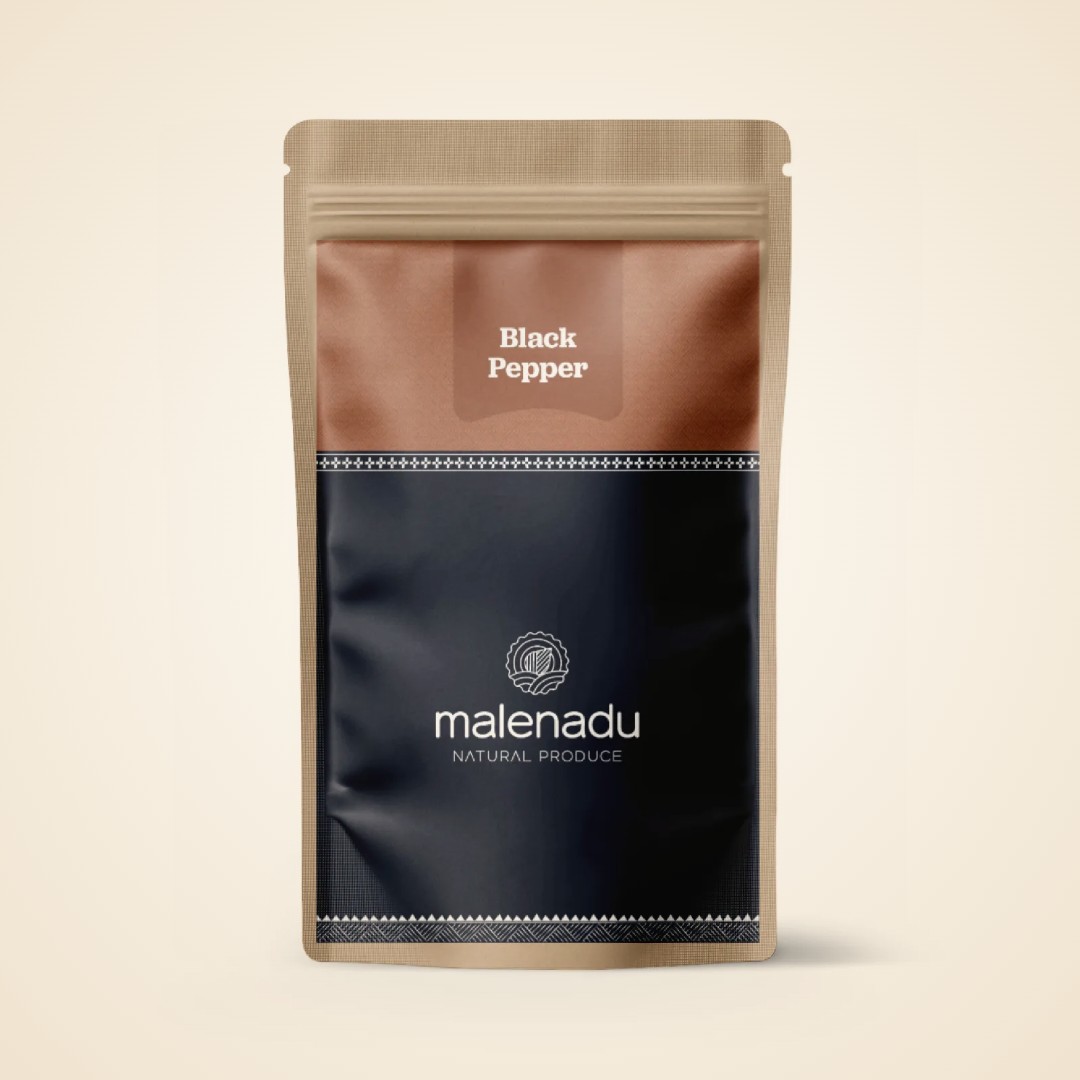
From the malenadu pantry
Our Black Pepper comes from these same hills. Bold, sharp and fresh, it is the one thing most visitors wish they had bought more of.
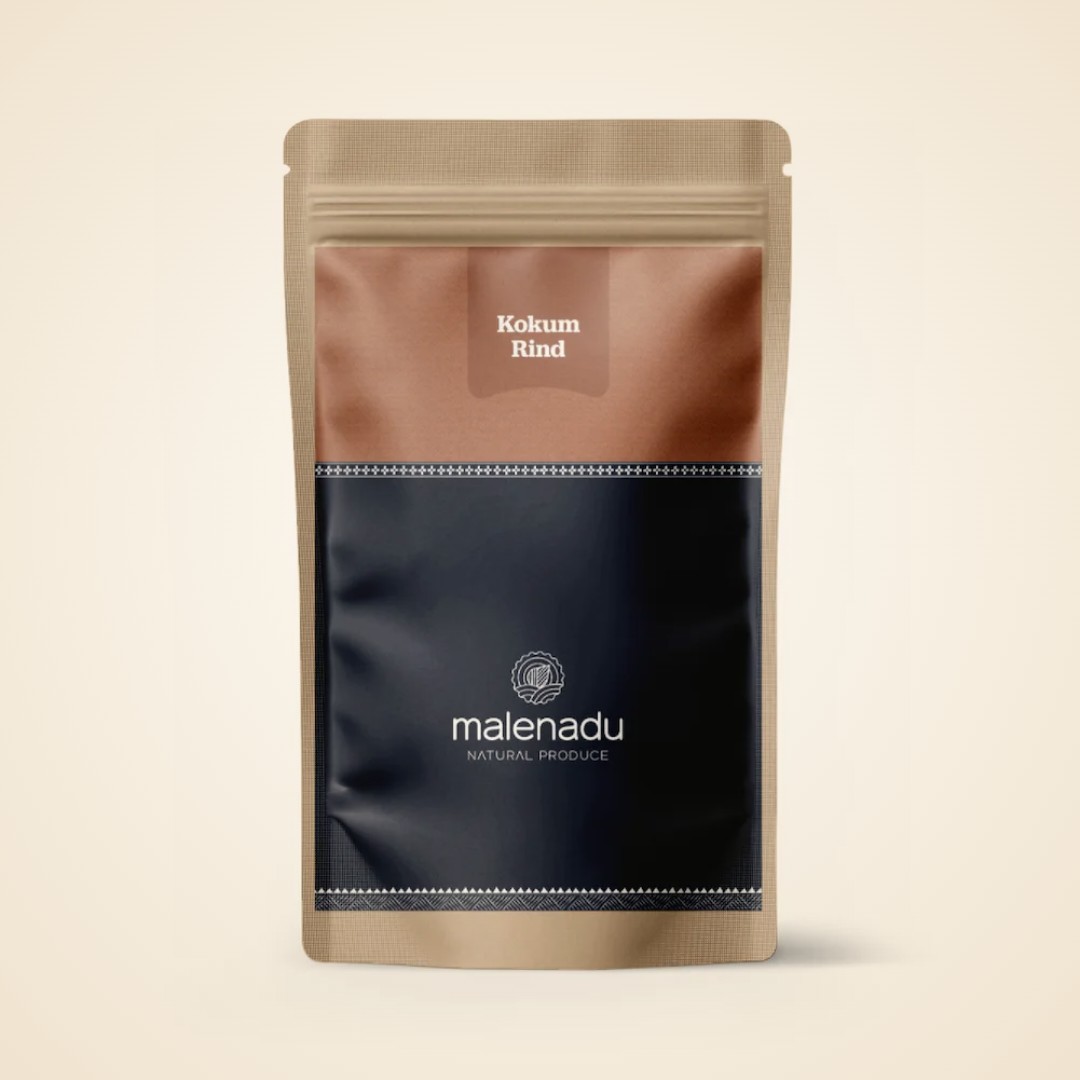
Cardamom grows under shade in the wetter estates. Honey is sold by small beekeepers at roadside stalls. Kokum rind, the dried red fruit used in saaru and kokum juice, is in every Malenadu kitchen.
From the malenadu pantry
Our sun dried Kokum Rind is the same murugalu that sours saaru and fish curry in Malenadu homes. Soak a few pieces at home for a cool kokum drink.
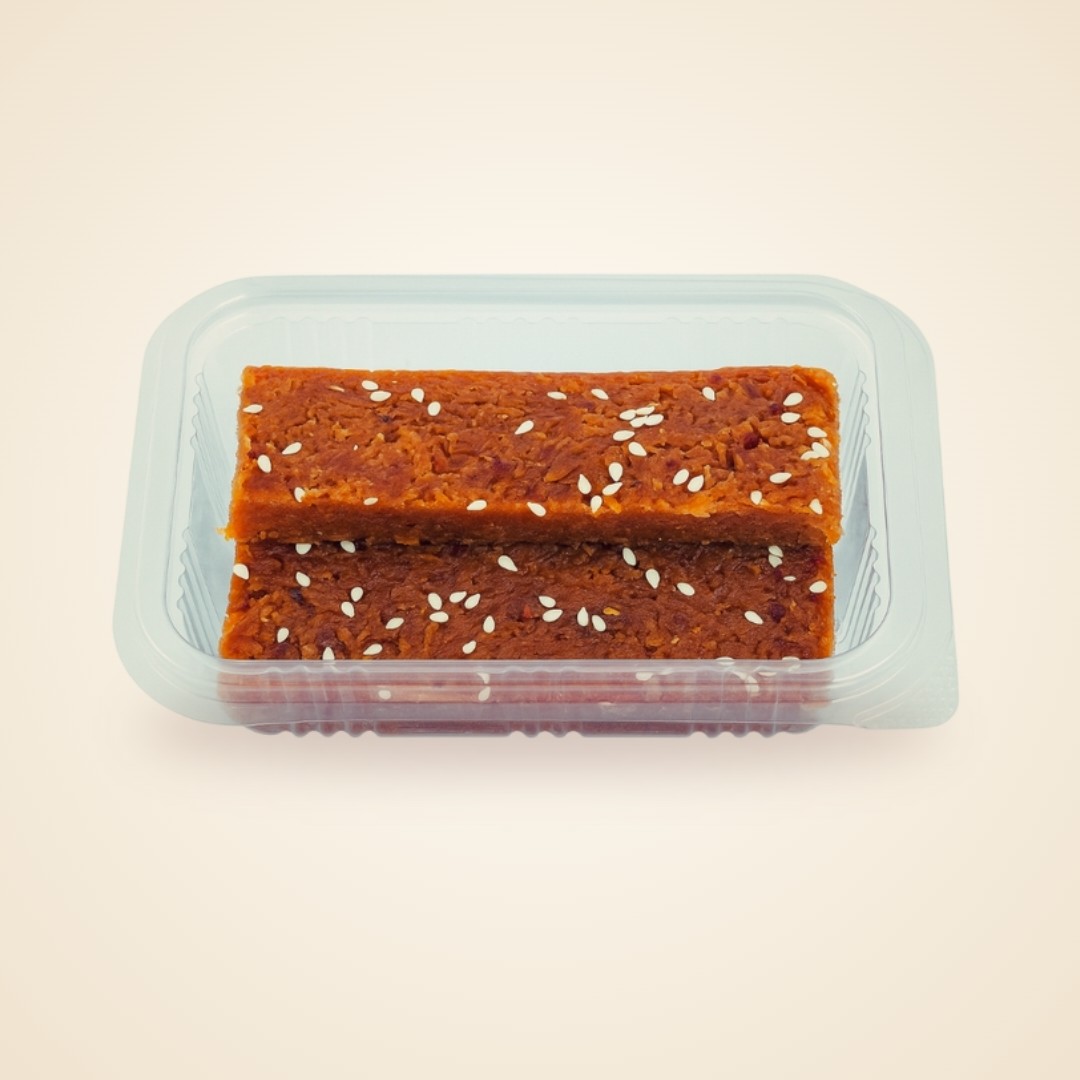
For sweets, look for coconut and jaggery burfi, which every bakery and home kitchen in the region makes in its own way. Sagara is also known for fine sandalwood carving. Chikkamagaluru is the place for estate coffee.
From the malenadu pantry
Our Coconut Jaggery Burfi is the soft, home style sweet you get in Malenadu kitchens. It packs easily for the road and makes a good small gift.
You can also order Malenadu honey and our other farm goods online, so you do not need to carry heavy bags down the ghats.
Responsible travel in the hills
Responsible travel in Malenadu means leaving the forest, the water and the village exactly as you found them. These hills feed several rivers and the people who live here drink from them. If this Malenadu travel guide could ask one thing of you, it would be this list.
- Carry a cloth or jute bag and a steel bottle. Many forest gates now check for plastic.
- Stay on marked trails and walk only with permits where they are needed.
- Do not play loud music, shout at falls or feed monkeys.
- Coffee and areca estates are private farms. Ask before you walk in or pick anything.
- Do not swim at falls unless locals say it is safe. Calm looking pools can hide strong currents.
- Spend your money locally: homestays, local guides, small shops and farmer stalls.
Malenadu travel guide to the seasons
October to February is the best time for most travellers: falls are still full, trails are open and mornings are cool. Still, this Malenadu travel guide finds a reason to visit in every season.
| Season | Months | What to expect |
|---|---|---|
| Post monsoon | October to November | Full falls, green hills, most treks reopen |
| Winter | December to February | Cool clear mornings, mist in valleys, busy weekends |
| Summer | March to May | Hot in valleys, pleasant on heights, many treks closed for fire risk |
| Monsoon | June to September | Heavy rain, falls at their biggest, leeches, road and trail closures |
The rains are the reason Malenadu exists. Many locals love the hills most in July. If you plan to travel then, read our Malenadu monsoon and rainfall guide first.
Waterfalls, peaks and wildlife: where to go next
This Malenadu travel guide is the hub. Each of the pages below goes deeper into one kind of trip, so pick the one that matches what you want from the hills.
Waterfalls
Falls are the main reason many readers open a Malenadu travel guide. From Jog on the Sharavathi to small forest falls near Agumbe, the region has dozens of them. Our guide to Malenadu waterfalls lists them district by district, with access and the best season for each.
Peaks and treks
Mullayanagiri, Kudremukh, Kodachadri and Kumara Parvatha draw trekkers from all over South India. The Malenadu trekking guide explains permits, difficulty and what to pack.
Wildlife
These forests hold elephants, gaur, king cobras, hornbills and a great many frogs and birds. Our page on Malenadu wildlife and where to see it covers sanctuaries, safaris and how to behave in the forest.
Monsoon
The rain shapes everything here, from the food to the crops to the roads. The monsoon page linked above is the rainy season companion to this Malenadu travel guide, with timing, safety and the wettest spots.
Plan the rest of your trip
For the full list of sights by district, see our page on Malenadu in Karnataka. Keep this Malenadu travel guide open while you book. When you are back home and missing the hills, our farm products bring a little of Malenadu to your kitchen.
Bring Malenadu home
Grown and made by Malenadu farmer families, packed by malenadu, a farmer owned producer company in Honnavar.
-
8% OFF
Black Pepper
Price range: ₹165 through ₹299 -
19% OFF
Cardamom
Price range: ₹130 through ₹330 -
29% OFF

Honey
Price range: ₹249 through ₹449 -
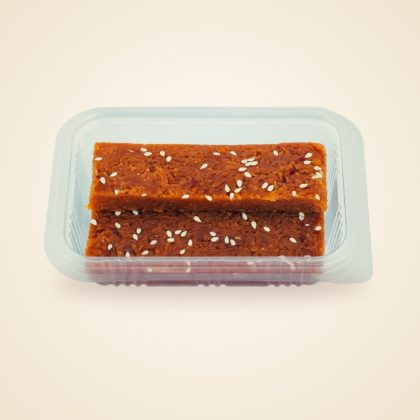
Coconut Jaggery Burfi
₹120 -
51% OFF
Small Jute Bag
Original price was: ₹200.₹99Current price is: ₹99. -
17% OFF
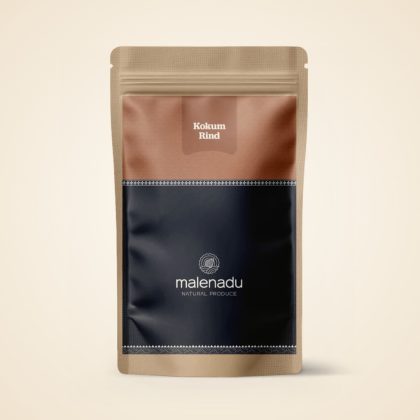
Kokum Rind
Original price was: ₹240.₹200Current price is: ₹200.
Frequently asked questions: Malenadu travel guide
Which is the best time to visit Malenadu?
This Malenadu travel guide suggests October to February for most travellers, with full falls, open trails and cool mornings. The monsoon from June to September is beautiful but wet, with leeches and some closures.
How do I reach Malenadu from Bengaluru?
Overnight state-run buses run from Bengaluru to most hill towns. Trains run to Shivamogga, Birur, Hassan and Sakleshpur, where you can continue by bus or taxi.
Which airport is nearest to Malenadu?
It depends on the part you are visiting. Mangaluru suits Agumbe, Sringeri and Kodagu. Hubballi suits Sirsi and Yellapur, while Shivamogga is closest to Sagara and Thirthahalli.
How many days are enough for a Malenadu trip?
Three days are enough for one part of the hills, such as Sirsi or Chikkamagaluru. This Malenadu travel guide suggests five to seven days for two or three regions.
What are the best places to stay in Malenadu?
Family homestays on areca, pepper or coffee farms give the truest experience. Estate stays, government nature camps and temple town lodges are good options too.
What should I buy in Malenadu?
Black pepper, cardamom, honey, kokum rind, coffee and coconut jaggery sweets are the favourites in this Malenadu travel guide. Buy from farmer stalls and homestays where you can.
Explore more of Malenadu
Malenadu TravelMalenadu Monsoon and RainfallWhy the hills get so much rain and how life bends to it
Malenadu TravelMalenadu Peaks and TreksPeaks, permits and seasons for walking the Western Ghats
Malenadu TravelMalenadu Waterfalls22 falls across the hills, with access and best season
Malenadu TravelMalenadu WildlifeTigers, macaques, king cobras and the forests farms need
Malenadu TravelBangalore to MalenaduDistances, routes and drive times to 13 hill towns
Malenadu TravelMalenadu TemplesRiver shrines, hill goddesses and carved stone
Malenadu TownSakleshpurMisty estates, a star fort and the ghat road to the sea
Malenadu TownSagaraJog Falls, Nayaka temples and the Sharavathi backwaters
Malenadu TownSirsiMarikamba, river carvings and green spice gardens
Malenadu TownAgumbeRain, rainforest and sunsets at the edge of the ghats
Malenadu TownThirthahalliRiver shrines, areca gardens and the poet’s home
Malenadu TravelMalenadu FortsHill forts of the Nayakas, Hoysalas and Tipu
Malenadu TravelMalenadu RiversTen rivers that rise in the hills and shape life below
Malenadu TravelMalenadu BirdsHornbills, trogons and the whistling thrush
Malenadu TravelMalenadu SnakesKnow the snakes, stay safe and get help the right way
Malenadu CultureMalenadu CulturePeople, arts and old ways of Karnataka’s rain hills
Malenadu FarmingMalenadu CropsWhat grows in Karnataka’s rain hills and why it grows
Malenadu FoodMalenadu FoodRice, kokum, pepper and joni bella from the hills
Start hereMalenadu in KarnatakaWhere Malenadu is, what the name means