

Malenadu Travel
Sagara Shivamogga is the busy market town of Sagara taluk, the base for Jog Falls, the old Nayaka capitals of Keladi and Ikkeri and the wide Sharavathi backwaters. This guide covers what the town is known for, its history, places to see with rough distances, food, crops, the best season, how to get there and a 2 day plan.
On this page
What is Sagara Shivamogga known for?
Sagara Shivamogga is known for Jog Falls, the temples of Keladi and Ikkeri and the areca and pepper gardens that fill every valley around it. It is also the home of hase chittara, the wall and basket painting of the Deevaru community. The town has a long tradition of sandalwood carving too.
Sagar Karnataka or Sagara?
Sagar Karnataka, as many maps and bus boards write it, is the same town as Sagara. It is the headquarters of Sagara taluk in Shivamogga district and sits in the hills of the Sharavathi basin, west of Shivamogga city. For how the taluks of the region fit together, see our list of Malenadu districts and taluks.
Most travellers come to Sagara Shivamogga for one reason (Jog Falls) and leave the same day. Stay two nights and you find a market town with a deep history, quiet temple villages and some of the best home food in the hills.
A short history of Sagara
The story of Sagara Shivamogga is the story of the Keladi Nayakas, who ruled much of the western hills of Karnataka from the 16th to the 18th century. Their first capital was Keladi, a few km north of today’s town.
According to Karnataka Tourism, the capital moved from Keladi to Ikkeri in the 16th century and then to Bidanur in 1639. The Nayakas built temples, tanks and forts across the hills. Keladi Chennamma, the queen remembered for standing up to the army of the Mughal emperor Aurangzeb, ruled from this family’s later capital.
Sagara grew as the trading town of this old Nayaka country. Areca, pepper, rice and forest goods came here to be sold. It still works that way: on market days the town fills with farmers from villages all around. Our guide to Malenadu temples covers the Keladi and Ikkeri temples in more detail.
Sagara tourist places with rough distances
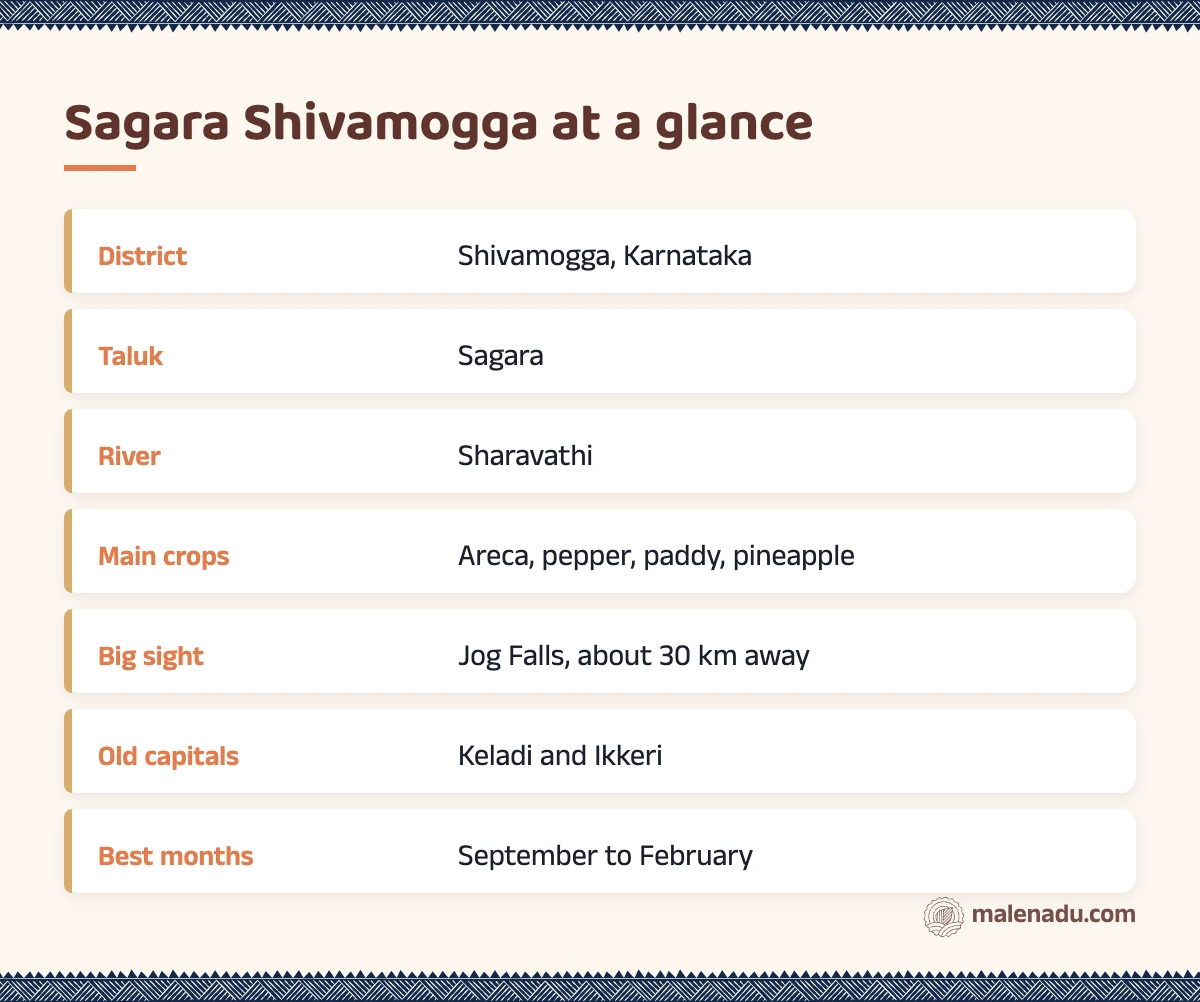
The main Sagara tourist places are Jog Falls, Keladi, Ikkeri, Varadahalli, Honnemaradu and the Sharavathi backwaters. The table gives rough road distances from Sagara town. Roads are narrow and winding, so allow more time than the numbers suggest.
| Place | What it is | Rough distance from Sagara |
|---|---|---|
| Marikamba temple | Town temple of the goddess | In town |
| Ikkeri | Aghoreshwara temple, old Nayaka capital | about 6 km |
| Keladi | Rameshwara temple and museum, first Nayaka capital | about 6 to 8 km |
| Varadahalli | Hilltop pilgrim spot with a spring | about 6 km |
| Honnemaradu | Island and backwaters of Linganamakki | about 25 km |
| Jog Falls | Sharavathi falls 253 m | about 30 km |
| Sigandur | Chowdeshwari temple across the backwaters | by bridge, since 2025 |
| Shivamogga city | District headquarters, airport | about 75 km |
Jog Falls from Sagar
Going to Jog Falls from Sagar is a short drive of about 30 km on the road west towards Honnavar. At Jog, the Sharavathi drops about 253 m in four streams known as Raja, Rani, Roarer and Rocket. The falls sit on the border of Shivamogga and Uttara Kannada districts.
The Linganamakki dam upstream holds back much of the river for power, so Jog is full only in a good monsoon and can be thin by summer. In heavy rain the gorge fills with mist and you may see nothing for an hour. Our guide to Malenadu waterfalls explains when Jog looks its best.
Local tip
Go to Jog in the afternoon after a rainy morning. The mist often lifts after lunch and the gorge opens up. Never cross the railings or climb down to the rocks in the monsoon.
Keladi and Ikkeri
Keladi and Ikkeri are the two old Nayaka capitals closest to Sagara. You can see both in one morning. Keladi has the Rameshwara and Veerabhadra temples in one courtyard, with a carved Gandaberunda (the two headed bird) on a ceiling. The Shivamogga district administration notes a small museum here with copper plate inscriptions, palm leaf manuscripts and Nayaka coins.
Ikkeri, whose name means “two streets”, has the Aghoreshwara temple, a large granite temple with a big polished Nandi at the front. Karnataka Tourism dates it to the 16th and 17th centuries. Both temples are protected monuments, so do not climb on the carvings.
Varadahalli
Varadahalli is a quiet hill pilgrim spot about 6 km from Sagara. Steps lead up through forest to a samadhi shrine at the top and a spring that pilgrims believe never runs dry. Go early in the morning, dress modestly and carry water.
Honnemaradu and the Sharavathi backwaters
Honnemaradu is a small island and shore on the backwaters of the Linganamakki reservoir, about 25 km from Sagara. Karnataka Tourism lists kayaking at Honnemaradu on the still water, run with the Forest Department, best at sunrise or sunset. Never swim in the backwaters on your own: the water is deep and cold and there are drowned trees below the surface.
Sigandur and the Sharavathi bridge
Sigandur, on the far side of the Sharavathi backwaters, is known for its Chowdeshwari temple. For years most visitors reached it by a ferry launch.
In July 2025 a long cable stayed bridge opened across the backwaters between Ambaragodlu and Kalasavalli in Sagara taluk, which makes the trip from Sagara much easier. The road passes through the Sharavathi valley forests, home to the lion tailed macaque. Our Malenadu wildlife guide covers the sanctuaries here.
Hase chittara: the art of the Deevaru community
Hase chittara is a folk painting tradition of the Deevaru community of Sagara and the nearby taluks. Women paint fine geometric lines on mud walls, doorways and baskets for weddings, births, harvests and festivals. The colours are natural: red from red earth, white from rice, black from roasted rice and yellow from a seasonal fruit.
The best known pieces are the hasegode chittara panels painted for weddings and the painted baskets used at Bhoomi Hunnime, when farmers worship the land. Our guide to Malenadu festivals explains that day. If you see chittara in a village home, ask before you take a photo.
Places to visit near Sagar on a longer trip
The best places to visit near Sagar for a longer trip are Thirthahalli, Agumbe and the forests of the Sharavathi valley. Each needs its own day. Thirthahalli on the Tunga river is a good second base, with Agumbe’s rainforest beyond it. Read our Thirthahalli guide to plan that leg.
Sagara is also known for sandalwood carving by Gudigar families in Sagara and Soraba taluks, who make boxes, figures and panels. Sandalwood is now tightly controlled, so many carvers work in other woods too. Ask locally where you can watch carvers at work.
Crops grown around Sagara
Areca nut, pepper and paddy are the main crops around Sagara, with pineapple, banana, coconut and some cardamom. The pattern is the same in every valley: rice fields on the flat ground, an areca garden (thota) by the stream and the forest above.
Areca and pepper gardens
Areca palms grow in tight rows in the valleys, with pepper vines trained up the trunks. Areca (adike) is harvested from about November to February and the nuts are boiled or sun dried. Our guide to areca nut farming in Malenadu explains the work.
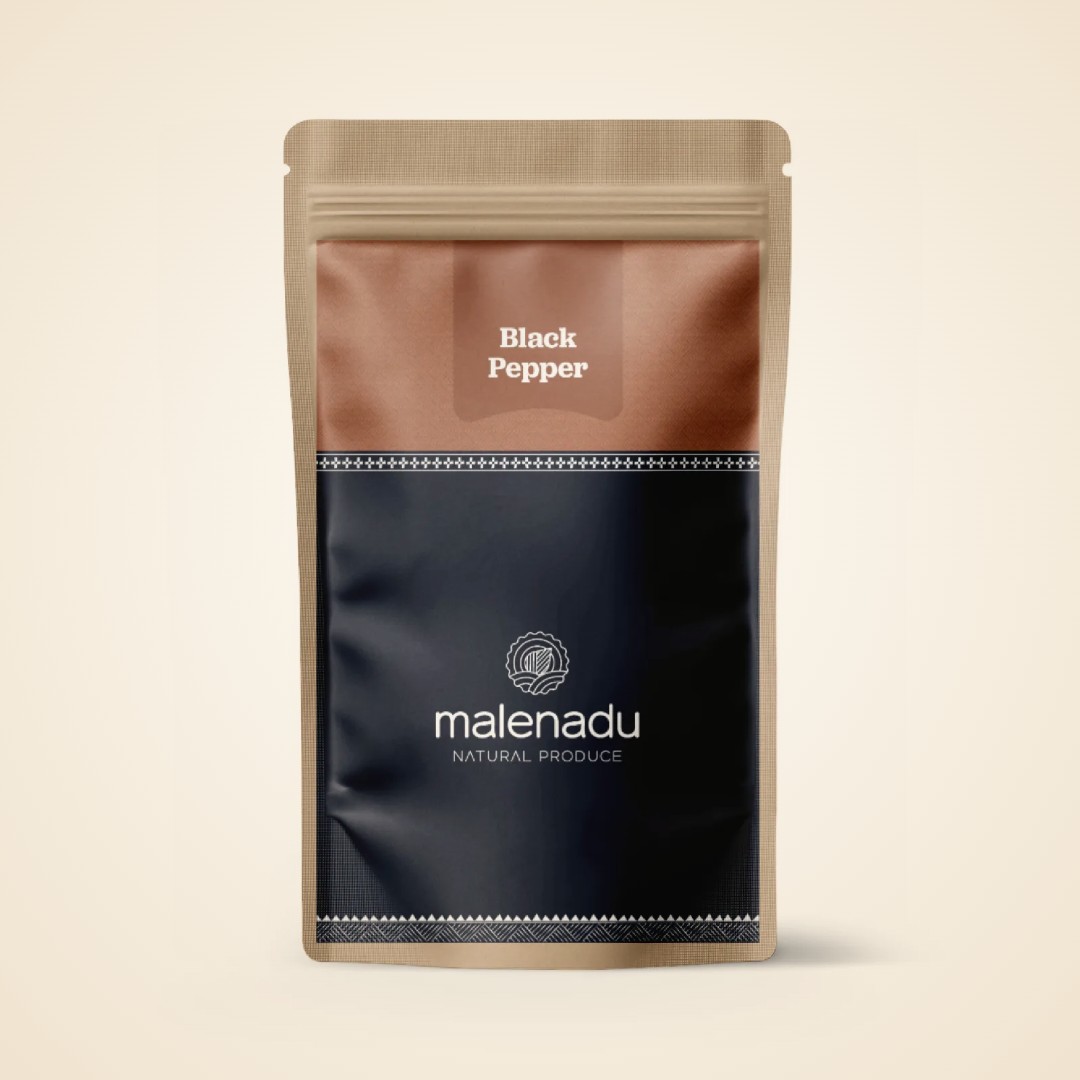
Pepper is picked in winter, spike by spike, from ladders leaned on the palms. The berries are sun dried on mats until they turn black and wrinkled. Our black pepper from Malenadu is grown and dried the same way.
From the malenadu pantry
Black pepper from vines on areca palms in the Malenadu hills, picked by hand and dried in the sun. It is the same spice drying on mats in front of houses on the road to Jog.
Paddy and pineapple
Paddy is sown with the monsoon and harvested in October and November. On drier slopes Sagara and Soraba taluks grow a lot of pineapple, which you will see piled on roadside stalls in the hot months.
Food to try in Sagara
Food in Sagara is home food of the hills: rice with tangy curries, steamed dumplings and pickles made from wild mangoes. You eat best in a homestay or at a family table. These are the dishes to look for.
- Tambuli: a cool, mild curd curry eaten with rice. See our Malenadu food guide for many kinds.
- Appe midi pickle: small tender wild mangoes pickled whole, sharp and sour.
- Kadubu: steamed rice dumplings, plain or with jackfruit.
- Kesuvina gojju: a sour, spicy curry made from colocasia leaves, cooked well.
- Patrode: colocasia leaves rolled with spiced rice batter and steamed.
- Holige and sweets: jaggery sweets for festivals and weddings.
Wild mushrooms and bamboo shoots appear in the monsoon. Eat only mushrooms a local person knows well. Otherwise buy market ones. Bamboo shoots must be soaked and boiled before cooking and never eaten raw.
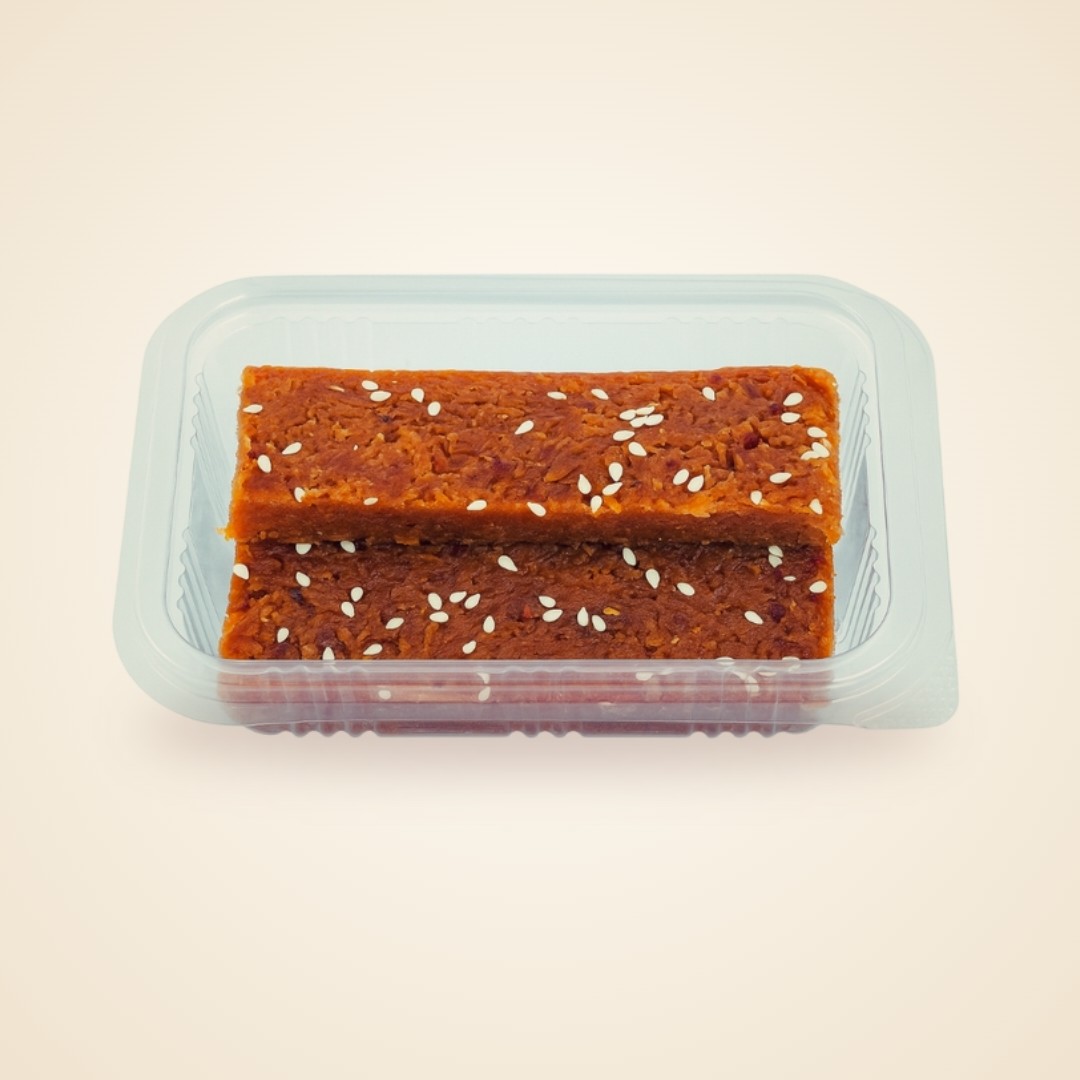
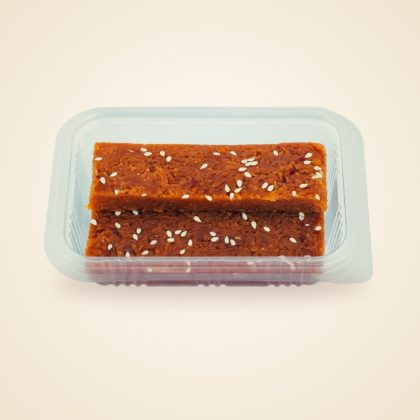
Coconut and jaggery sweets are offered in almost every home and temple in these taluks. Our coconut jaggery burfi is made with the same two ingredients.
From the malenadu pantry
A soft sweet of coconut and jaggery, much like the ones shared in Sagara homes after a temple visit. It keeps for a few days, so it travels well on the long drive home from Jog.
Fairs and festivals in Sagara
Sagara town has its own Marikamba temple, the goddess of the town. Its jatre (temple fair) draws crowds from villages across the taluk. The dates change, so ask locally if you want to plan around it.
Villages around Sagara also mark Bhoomi Hunnime with painted chittara baskets. Deepavali brings lamps and cattle worship. Small temple fairs run in the dry months from December to April.
When is the best time to visit Sagara Shivamogga?
The best time to visit Sagara Shivamogga is September to February, when the falls are still full, the backwaters are high and the weather is pleasant. For Jog at its biggest, come from July to November and expect mist.
| Season | Months | What to expect |
|---|---|---|
| Monsoon | June to September | Jog at its fullest, heavy rain, mist, leeches |
| Post monsoon | October to November | Full falls, clear spells, paddy harvest |
| Winter | December to February | Dry, cool mornings, best for temples |
| Summer | March to May | Hot afternoons, thin falls, pineapple season |
In the monsoon, streams rise fast and roads can close for fallen trees. Stay back from the edges of falls and do not wade into rivers.
How to get to Sagara
Sagara is on the main highway and the railway west from Shivamogga, so it is easy to reach by road or train. The Sagara Shivamogga distance is about 75 km.
- From Bengaluru: about 390 km by road through Shivamogga. Our Bangalore to Malenadu guide covers routes and drive times.
- By train: Sagar Jambagaru station is on the Shivamogga to Talaguppa line. Talaguppa, the end of the line, is the nearest station to Jog.
- By air: Shivamogga airport is the nearest. Flights are limited, so check schedules.
- By bus: state buses run often on the Sagara Shivamogga road and overnight from Bengaluru.
A 2 day plan for Sagara
This 2 day plan covers the best Sagara tourist places at an easy pace. It works by car or hired taxi.
Day 1: Keladi, Ikkeri and Jog
- Early morning: Varadahalli for the climb and the quiet.
- Late morning: Keladi and Ikkeri, with an hour at each.
- Lunch: a simple meal in town.
- Afternoon: Jog Falls, when the mist usually lifts.
Day 2: backwaters and villages
- Morning: drive to Honnemaradu for sunrise on the backwaters.
- Midday: cross the bridge to Sigandur. If you prefer, visit a village to see chittara and an areca garden.
- Afternoon: head back through Sagara to Shivamogga or on to Thirthahalli.
Local tips for Sagara
These tips will make a Sagara trip smoother and safer.
- Book early in the monsoon season. Weekends near Jog fill fast from July to October.
- Drive in daylight. Forest roads to Sigandur and Honnemaradu are dark and narrow.
- No night walks in the forest. Forest entry needs permits and is not allowed after dark.
- Snakes: keep to paths. If someone is bitten, keep them still and go straight to a hospital with antivenom. No cutting, sucking or folk remedies.
- Leeches: carry salt or wear leech socks in the rains.
- Temple dress: cover shoulders and knees at Keladi, Ikkeri and Varadahalli.
- Carry a cloth bag. Many shops avoid plastic.
Local tip
Buy pepper and areca sweets from the farmers who sell in Sagara on market days. Ask your homestay host which day the market is held.
Where to go after Sagara
From Sagara the hills open in every direction: north to Sirsi, south to Thirthahalli and Agumbe, west down to the coast. Our Malenadu travel guide helps you link these towns into one trip.
Bring Malenadu home
Grown and made by Malenadu farmer families, packed by malenadu, a farmer owned producer company in Honnavar.
-
8% OFF

Black Pepper
Price range: ₹165 through ₹299 -
Coconut Jaggery Burfi
₹120 -
51% OFF
Small Jute Bag
Original price was: ₹200.₹99Current price is: ₹99. -
19% OFF
Cardamom
Price range: ₹130 through ₹330 -
14% OFF

Liquid Jaggery
Original price was: ₹349.₹299Current price is: ₹299. -
29% OFF

Honey
Price range: ₹249 through ₹449
Frequently asked questions about Sagara Shivamogga
What is Sagara Shivamogga famous for?
Sagara is famous for Jog Falls, the Nayaka temples of Keladi and Ikkeri, the Sharavathi backwaters, areca and pepper gardens and the hase chittara art of the Deevaru community.
How far is Jog Falls from Sagar?
Jog Falls is about 30 km from Sagara by road. The drive takes under an hour in good weather.
How far is Sagara from Shivamogga?
The Sagara Shivamogga distance is about 75 km by road. Trains and frequent buses also run between the two.
Is Sagar and Sagara the same place?
Yes. The town is written as Sagar or Sagara in English. It is the headquarters of Sagara taluk in Shivamogga district.
How far are Keladi and Ikkeri from Sagara?
Ikkeri is about 6 km from Sagara and Keladi about 6 to 8 km. You can see both in one morning.
What is the best time to visit Sagara Shivamogga?
September to February is best for sightseeing. Come from July to November if you want to see Jog Falls at its fullest.
Which is the nearest railway station to Jog Falls?
Talaguppa, the last station on the line from Shivamogga through Sagara, is the nearest to Jog Falls.
Is 2 days enough for Sagara Shivamogga?
Two days are enough for Jog Falls, Keladi, Ikkeri, Varadahalli and the backwaters. Add a day for Sigandur or Thirthahalli.
Explore more of Malenadu
Malenadu TravelMalenadu Travel GuideRoutes, stays and seasons for the rain hills of Karnataka
Malenadu TravelMalenadu Monsoon and RainfallWhy the hills get so much rain and how life bends to it
Malenadu TravelMalenadu Peaks and TreksPeaks, permits and seasons for walking the Western Ghats
Malenadu TravelMalenadu Waterfalls22 falls across the hills, with access and best season
Malenadu TravelMalenadu WildlifeTigers, macaques, king cobras and the forests farms need
Malenadu TravelMalenadu TemplesRiver shrines, hill goddesses and carved stone
Malenadu TravelBangalore to MalenaduDistances, routes and plans for the drive to the hills
Malenadu TravelMalenadu RiversTen rivers that rise in the hills and shape life below
Start hereMalenadu in KarnatakaWhere Malenadu is, what the name means