
Malenadu Culture
Malenadu writers gave Kannada some of its greatest books, from Kuvempu’s village novels and Poornachandra Tejaswi’s forest comedies to U.R. Ananthamurthy’s Samskara. This guide introduces the main authors, the hill homes that shaped them, the novels made into films and how to visit Kuvempu’s house at Kuppalli.
On this page
Who are the Malenadu writers?
The best known Malenadu writers are Kuvempu, his son K.P. Poornachandra Tejaswi, U.R. Ananthamurthy and Na D’Souza. All four grew up in the Shivamogga and Chikkamagaluru hills and wrote about the forest, the farm and the people around them.
Several books by these Malenadu writers are now classics taught across Karnataka.
These Malenadu writers did not just set stories in the hills. The rain, the joint family house, the areca garden, the landlord and the tenant, the snake shrine and the forest edge are the stuff of their books. Read them and you understand Malenadu from the inside.
If you are new to the region, our pages on Malenadu in Karnataka and the Malenadu districts and taluks explain where these places are. This guide covers seven Malenadu writers:
- Kuvempu (K.V. Puttappa)
- K.P. Poornachandra Tejaswi
- U.R. Ananthamurthy
- Na D’Souza
- K.V. Subbanna
- Kodagina Gowramma
- A note on Gopalakrishna Adiga
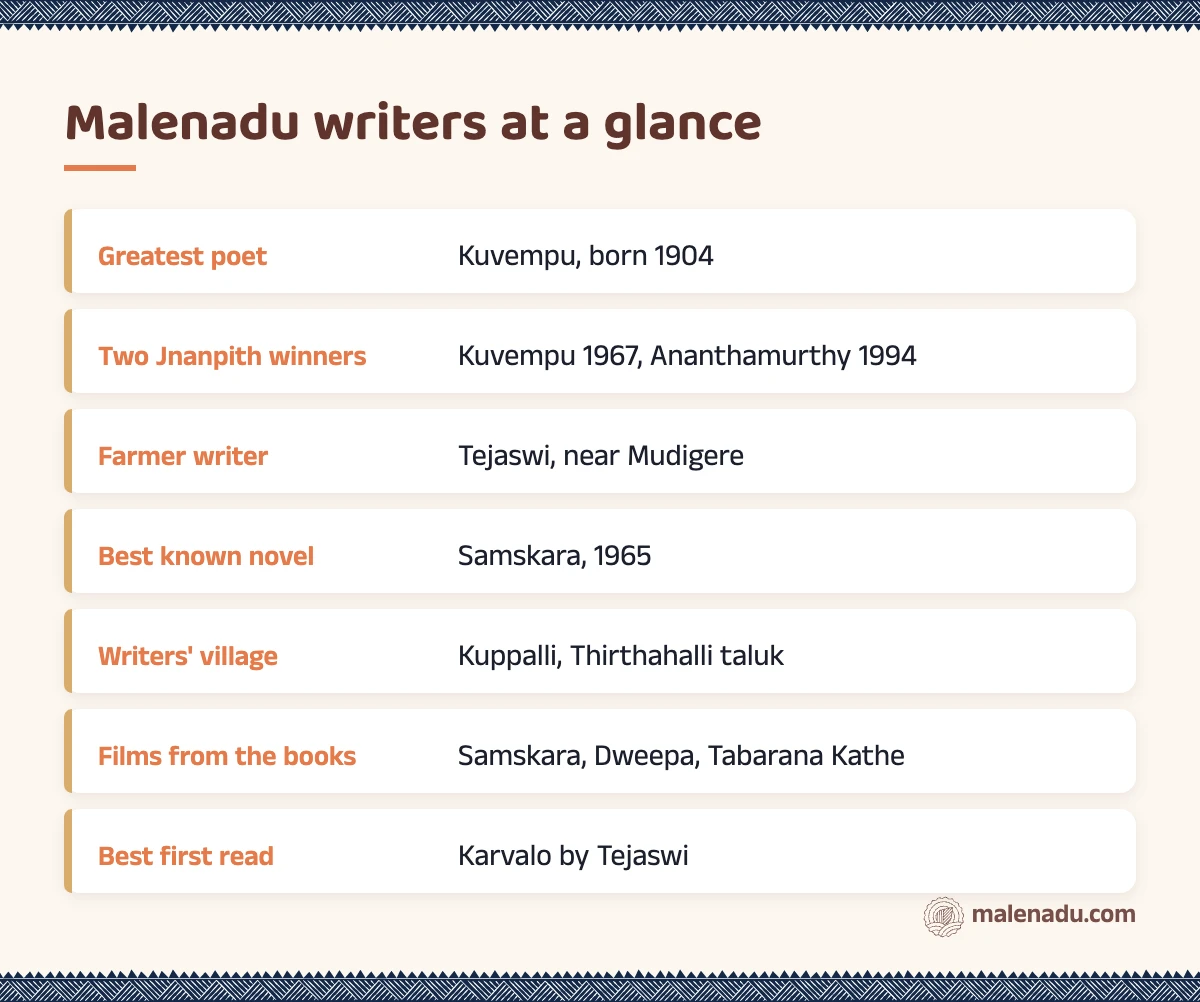
Malenadu writers at a glance
This table lists the Malenadu writers in this guide, their home ground in the hills and the books to start with.
| Writer | Home in the hills | Start with | Big honours |
|---|---|---|---|
| Kuvempu | Kuppalli, Thirthahalli taluk | Kanuru Heggadithi, Malegalalli Madumagalu | Jnanpith 1967, Rashtrakavi 1964 |
| Poornachandra Tejaswi | Farm near Mudigere | Karvalo, Jugari Cross, Abachurina Post Office | Many state and national awards |
| U.R. Ananthamurthy | Thirthahalli area | Samskara, Ghatashraddha (story) | Jnanpith 1994 |
| Na D’Souza | Sagara | Dweepa, Kolaga | Children’s literature award, many others |
| K.V. Subbanna | Heggodu, near Sagara | Essays and translations | Ramon Magsaysay Award 1991 |
| Kodagina Gowramma | Madikeri, Kodagu | Short stories | An early woman story writer in Kannada |
Kuvempu: the poet of Kuppalli
Kuvempu, the pen name of Kuppalli Venkatappa Puttappa, is the greatest of the Malenadu writers and one of the great poets of India. He was born on 29 December 1904 at Hirekodige in Koppa taluk and grew up in his family’s big farm house at Kuppalli, in Thirthahalli taluk of Shivamogga district.
He studied and taught at Mysore University and later became its vice-chancellor. He spent most of his working life in Mysuru, but his writing kept returning to the hills of his childhood. Rain, forest, birds and the life of a Malenadu joint family run through his poems and novels.
His major honours:
- Rashtrakavi (national poet), a title given by the Karnataka government in 1964
- Jnanpith Award in 1967 for his epic Sri Ramayana Darshanam, the first for a Kannada writer
- Karnataka Ratna, the state’s highest honour, in 1992
He also wrote the poem that became Karnataka’s state song. Kuvempu died in 1994 and was laid to rest at Kavishaila, a rocky hilltop near his Kuppalli home.
Kuvempu Malenadu novels: Kanuru Heggadithi and Malegalalli Madumagalu
Kuvempu wrote two long novels. Both are about Malenadu. Together they set the pattern for all later Malenadu writers.
Kanuru Heggadithi (1936) follows a landowning family in a hill village, with its quarrels, tenants, workers and changing times. Malegalalli Madumagalu (1967), “the bride in the hills”, weaves many lives together across the forests and villages of the Thirthahalli country.
Both books are long, slow and full of detail: the thotti house, the paddy fields, the tiger in the forest, the river in flood. Many readers say no one among the Malenadu writers has written the hills better. If you want to see the kind of house these books are set in, read our guide to the traditional Malenadu house.
K.P. Poornachandra Tejaswi: the farmer writer of Mudigere
K.P. Poornachandra Tejaswi, Kuvempu’s son, is the most loved of the Malenadu writers among young readers. Born in 1938, he chose to leave the city and settle on a farm near Mudigere in Chikkamagaluru district. He farmed, photographed birds and wildlife and wrote until his death in 2007.
Tejaswi wrote in plain, everyday Kannada, full of humour, unlike the grand style of earlier Malenadu writers. His heroes are not landlords but mechanics, hunters, postmen, cooks and stray dogs. His villages are as funny as they are sad. Many readers say that in Tejaswi’s books the forest itself is a character.
Books to start with:
- Karvalo (1980). A farmer narrator is pulled into a scientist’s hunt for a rare flying lizard deep in the forest. Short, funny and full of wonder.
- Jugari Cross (1994). A farming couple’s trip to sell their crop turns into a breathless chase through a world of smugglers, all in about a day.
- Chidambara Rahasya (1985). A small hill town, a research project and wild rumours collide in a story that is both comic and dark.
- Abachurina Post Office (stories). Sharp, funny tales of a small Malenadu village.
- Mayaloka (2006). His last major novel, a crowd of village lives woven together.
Tejaswi also retold forest and hunting stories for Kannada readers and wrote about nature in simple words. His farm country around Mudigere grows coffee, pepper and cardamom. Our guide to Malenadu coffee shows that landscape. Pepper from these same slopes goes into our black pepper.
From the malenadu pantry
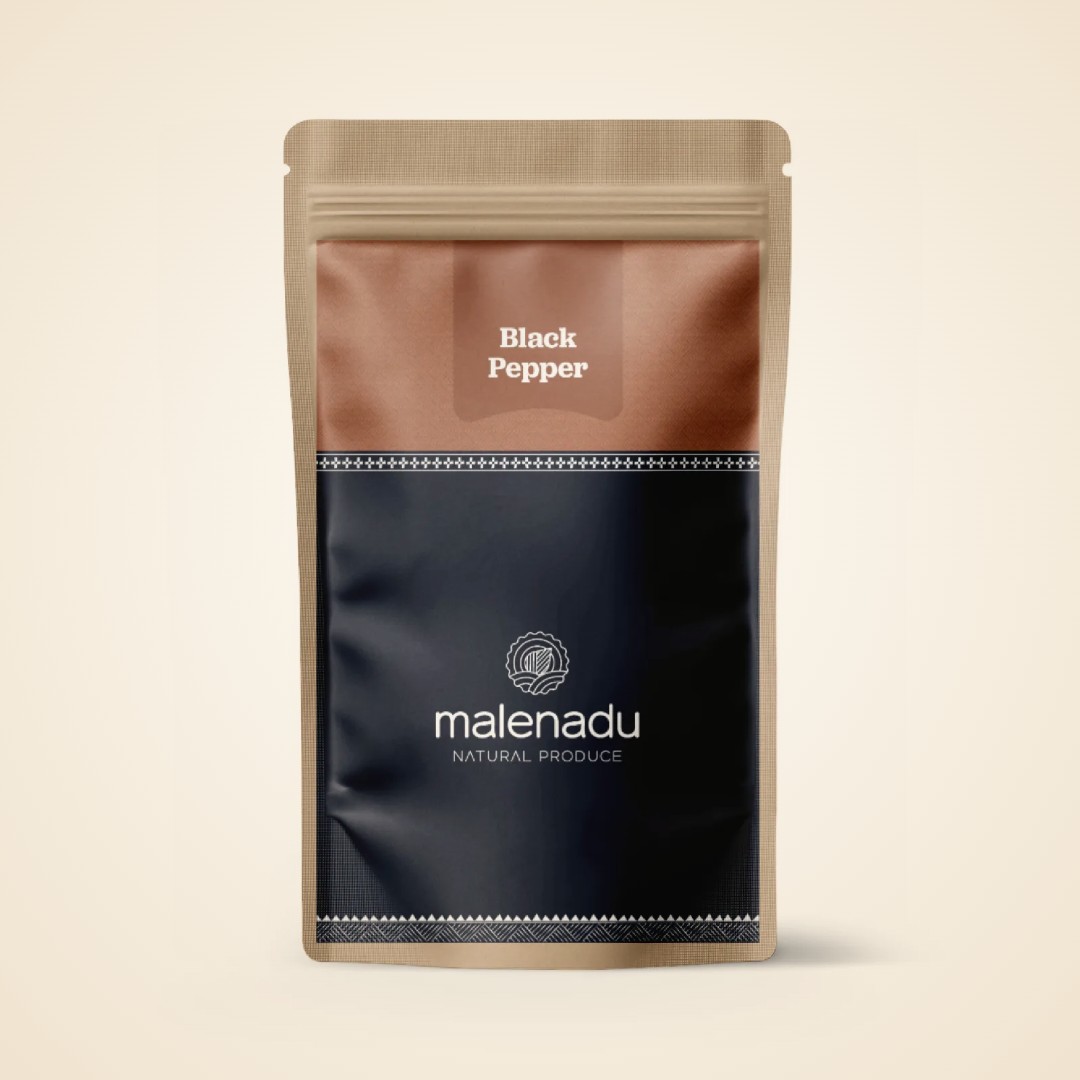
Tejaswi’s farm country around Mudigere is coffee and pepper land, with vines climbing the shade trees. This is sun dried pepper from these hills, a good thing to keep in the kitchen while you read Karvalo.
Who was U.R. Ananthamurthy?
U.R. Ananthamurthy was born in 1932 in the Thirthahalli area of Shivamogga district, a few hills away from Kuvempu’s Kuppalli. He became a professor of English, a public thinker and one of the best known Malenadu writers outside Karnataka. He received the Jnanpith Award in 1994 and died in 2014.
His first novel, Samskara (1965), is set in a small agrahara (Brahmin settlement) in the Malenadu hills. When a man who broke every rule of the community dies, no one is sure who may perform his last rites. The question shakes the whole village. The book is short and is read in many languages.
His other well known works are Bharathipura (about a temple town and caste) and Avasthe (about politics). His story Ghatashraddha, set in a village Vedic school, is another hill tale. In all of them the damp, closed world of a Malenadu village helps tell the story.
Other Kannada writers from Malenadu
Several more Kannada writers from Malenadu are worth knowing. They show that these hills produced not one or two authors but a whole way of writing.
Na D’Souza
Na D’Souza of Sagara wrote more than 40 novels along with stories, plays and children’s books. He died in 2025 at the age of 87, one of the last of the older Malenadu writers.
His novel Dweepa follows a family that will not leave its home as dam waters rise around it, the story of thousands of Sharavathi valley families. His Kolaga draws on the Kagodu tenant farmers’ movement near Sagara. Read our Malenadu history timeline for both stories.
K.V. Subbanna
K.V. Subbanna made his home in the village of Heggodu near Sagara. He was a writer, translator and thinker who brought theatre and world literature to a Malenadu village. He received the Ramon Magsaysay Award in 1991.
Kodagina Gowramma
Kodagina Gowramma, from Madikeri, wrote short stories in Kannada in the 1930s. She is remembered as one of the earliest women short story writers in the language. She met Gandhi when he visited Kodagu in 1934 and died young, in her late twenties.
The Deccan Herald’s history of Kannada in Kodagu places her among a long line of Kodagu writers. She belongs among the Malenadu writers too. Her stories are now available in English.
A note on Gopalakrishna Adiga
Gopalakrishna Adiga (1918 to 1992), the leading poet of the Navya modernist movement in Kannada, is often listed with Malenadu writers. He was born at Mogeri in the coastal Kundapura area of today’s Udupi district, so he belongs to the coast more than to the hills.
How did Malenadu shape Kannada literature?
Malenadu shaped Kannada literature by giving it new places, people and questions. Before Kuvempu, few Kannada novels were set among hill farmers. After him, the hill village became one of the great settings of the modern Kannada novel.
These are the themes that keep coming back in Malenadu novels:
- Rain and forest. Months of rain, leeches, swollen rivers and deep forest set the mood.
- The joint family house. Big thotti houses with many brothers, many quarrels and one kitchen.
- Land and power. Landlords, tenants and workers in a long struggle over who owns the field.
- Caste and change. Old rules meeting new ideas, as in Samskara and Kanuru Heggadithi.
- Dams and loss. Valleys drowned for electricity, as in Dweepa.
- Humour. Tejaswi showed that the hills could be very funny too.
Language matters as well. The Malenadu writers used the Kannada spoken in these hills, with its local words for plants, tools and farm work. Our guide to the Malenadu language explains how that speech differs from Bengaluru Kannada.
Malenadu novels on screen
Many Malenadu novels and stories have been made into Kannada films, often by the best directors of their time. This table lists the main ones.
| Film | Year | Based on | Director |
|---|---|---|---|
| Samskara | 1970 | Ananthamurthy’s novel | Pattabhirama Reddy |
| Abachurina Post Office | 1973 | Tejaswi’s story | N. Lakshminarayan |
| Ghatashraddha | 1977 | Ananthamurthy’s story | Girish Kasaravalli |
| Tabarana Kathe | 1986 | Tejaswi’s story | Girish Kasaravalli |
| Kubi Mattu Iyala | 1992 | Tejaswi’s story | Sadananda Suvarna |
| Kanuru Heggadithi | 1999 | Kuvempu’s novel | Girish Karnad |
| Dweepa | 2002 | Na D’Souza’s novel | Girish Kasaravalli |
| Kiragoorina Gayyaligalu | 2016 | Tejaswi’s story | Sumana Kittur |
| Daredevil Musthafa | 2023 | Tejaswi’s story | Shashank Soghal |
Samskara, Ghatashraddha and Dweepa are milestones of Indian art cinema. Tabarana Kathe, about a poor man waiting endlessly for his pension, is a quiet heartbreak. Watching one film is a fine way into the world of Malenadu writers if you cannot read Kannada.
Visiting Kuppalli and Kavishaila
Kuppalli is a small village about 20 km from Thirthahalli where Kuvempu grew up. It is the best place to meet Malenadu writers in person, so to speak. The road to Sringeri and Horanadu passes nearby, so many travellers stop on the way. According to a Deccan Herald feature on Kuppalli, hundreds of people visit every day.
What you can see at Kuppalli:
- The poet’s house. Kuvempu’s family house, restored in 2001, is now a memorial museum. It is a classic Malenadu house with a courtyard, carved pillars, the old kitchen and family photographs.
- Kavishaila. A short walk up a rocky hill where Kuvempu loved to sit. A monument of tall stones marks the spot. His resting place is close by. The view east over the hills is wide.
- The art gallery. Sculptures of characters from his two novels, paintings of scenes from his books and Tejaswi’s bird photographs.
- Tejaswi’s memorial. A memorial to Tejaswi also stands at Kuppalli.
Plan about two hours. Go early in the day in the dry months (October to February). Carry an umbrella in the monsoon. Our Thirthahalli guide covers stays nearby.
Local tip
Read a few pages of Malegalalli Madumagalu or Karvalo the night before you visit Kuppalli. Standing on Kavishaila after reading Kuvempu’s hills on paper is a very different feeling from just looking at a view.
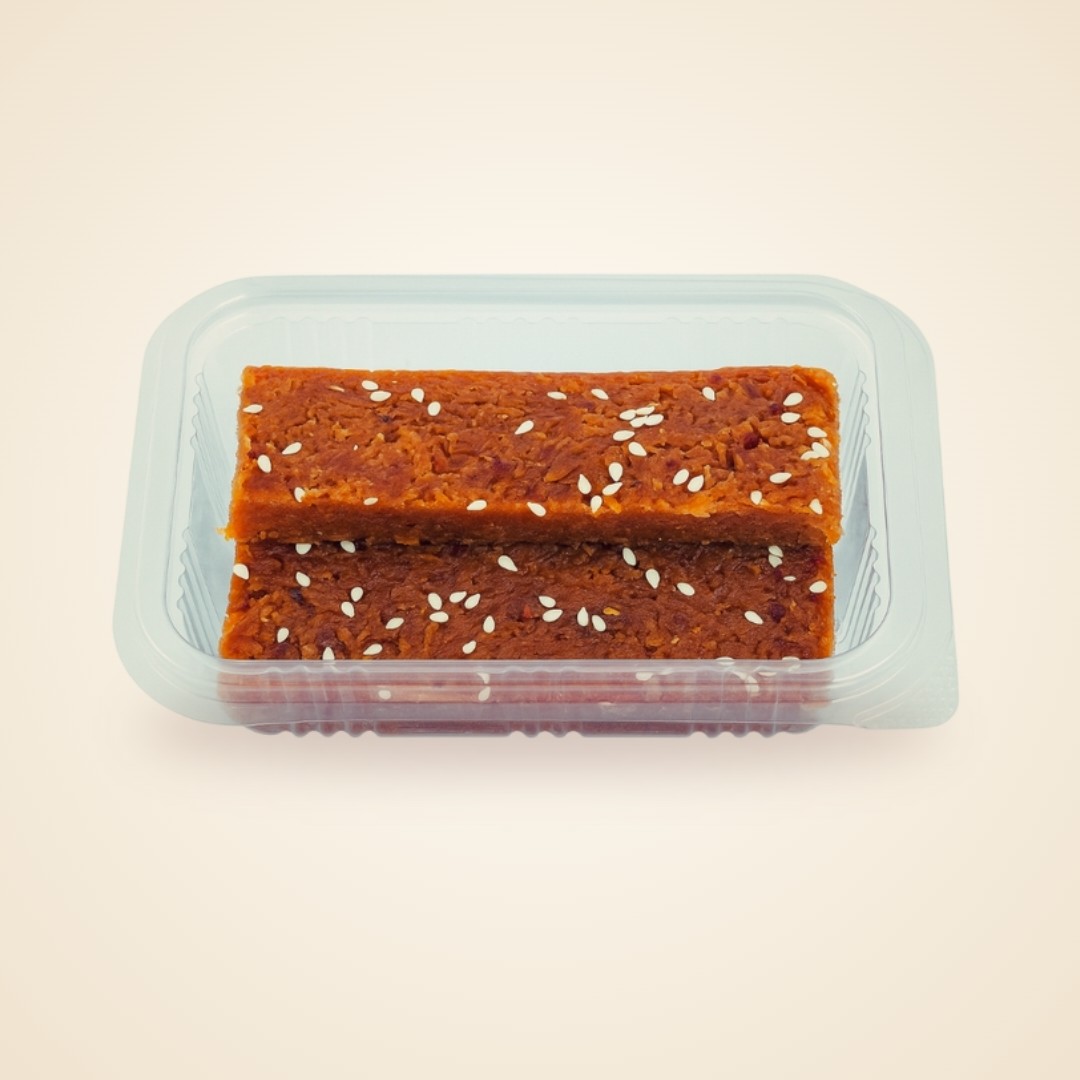
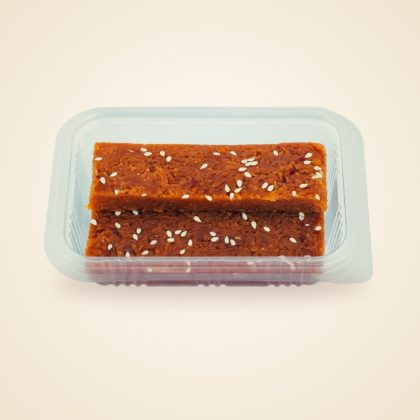
For a long drive through these hills, a sweet for the road helps. Our coconut jaggery burfi is a simple Malenadu sweet that travels well.
From the malenadu pantry
A simple sweet of coconut and jaggery, the kind served with coffee in the hill homes these writers grew up in. It keeps for a few days, so it suits a drive from Thirthahalli to Kuppalli and on to Sringeri.
How to start reading Malenadu writers
The easiest way into Malenadu writers is to start short and funny, then go long. Most of the major books are also available in English translation, so you can begin even if you do not read Kannada.
- Start with Tejaswi. Karvalo is short and full of the forest.
- Then Samskara. Ananthamurthy’s short novel shows the old village from inside.
- Then Kuvempu. Take Kanuru Heggadithi slowly over a monsoon.
- Then the films. Watch Dweepa and Tabarana Kathe.
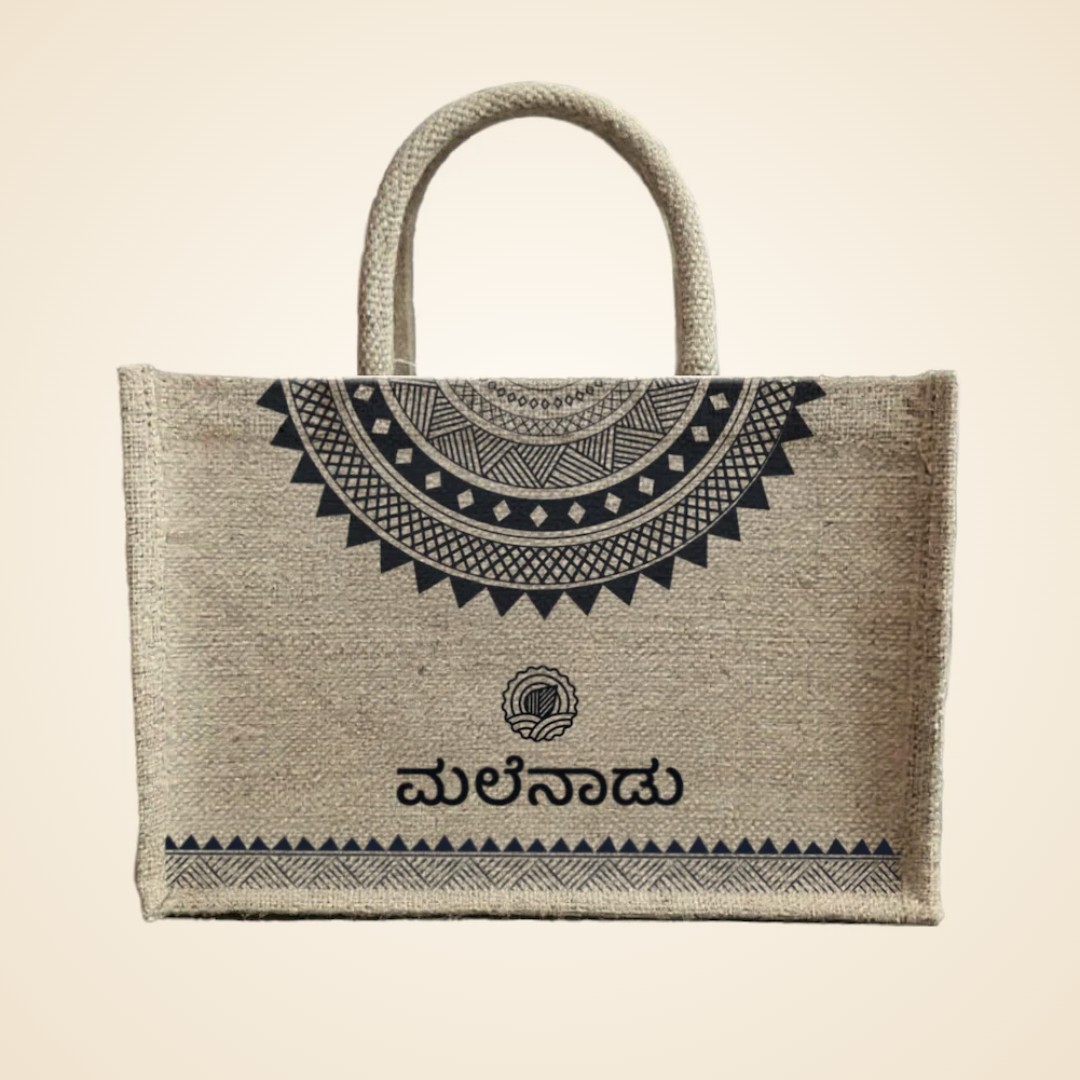
Carry your books in a sturdy bag with a little Kannada on it. Our small jute bag has Kannada lettering printed on jute and fits a couple of novels and a flask.
From the malenadu pantry
A plain jute bag printed with Kannada lettering, big enough for two paperbacks and a flask of coffee. A small nod to the Kannada of the hills that these writers made famous.
Where to go next
The Malenadu writers wrote about real places and real customs. See them in our guide to Malenadu culture, then read about the sacred groves that appear in so many of their stories.
Bring Malenadu home
Grown and made by Malenadu farmer families, packed by malenadu, a farmer owned producer company in Honnavar.
-
51% OFF
Small Jute Bag
Original price was: ₹200.₹99Current price is: ₹99. -
8% OFF
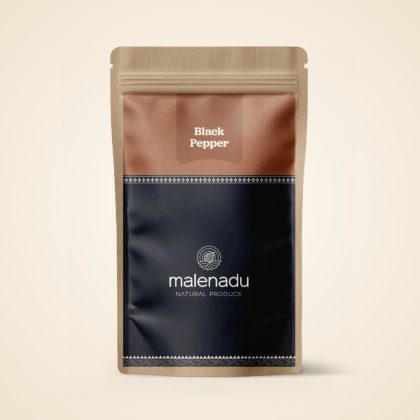
Black Pepper
Price range: ₹165 through ₹299 -
Coconut Jaggery Burfi
₹120 -
19% OFF
Cardamom
Price range: ₹130 through ₹330 -
29% OFF
Honey
Price range: ₹249 through ₹449 -
14% OFF
Liquid Jaggery
Original price was: ₹349.₹299Current price is: ₹299.
Frequently asked questions about Malenadu writers
Who are the most famous Malenadu writers?
Kuvempu, K.P. Poornachandra Tejaswi, U.R. Ananthamurthy and Na D’Souza are the best known. All grew up in the Shivamogga and Chikkamagaluru hills and wrote about Malenadu life.
Which Kuvempu Malenadu novels should I read first?
Kuvempu wrote two novels, Kanuru Heggadithi (1936) and Malegalalli Madumagalu (1967). Both are set in Malenadu. Kanuru Heggadithi is the shorter place to start.
Where was Kuvempu born?
Kuvempu was born on 29 December 1904 at Hirekodige in Koppa taluk of Chikkamagaluru district. He grew up at Kuppalli in Thirthahalli taluk, where his house is now a memorial museum.
How far is Kuppalli from Thirthahalli?
Kuppalli is about 20 km from Thirthahalli in Shivamogga district, close to the road towards Sringeri.
What is Poornachandra Tejaswi’s best book?
Many readers start with Karvalo, a short novel about a hunt for a rare flying lizard in the forest. Jugari Cross and Chidambara Rahasya are also widely loved.
Which Malenadu novels have been made into films?
Samskara, Kanuru Heggadithi and Dweepa were made into films, along with several Tejaswi stories such as Abachurina Post Office, Tabarana Kathe and Kiragoorina Gayyaligalu.
Was Gopalakrishna Adiga from Malenadu?
Adiga was born at Mogeri in the coastal Kundapura area of Udupi district, so he is more a writer of the coast than of the hills.
Explore more of Malenadu
Malenadu CultureMalenadu CulturePeople, arts and old ways of Karnataka’s rain hills
Malenadu CultureFestivals of MalenaduA year of harvests, jatres and sweets in the rain hills
Malenadu CultureThe Malenadu HouseCourtyards, verandas and attics built for the rain
Malenadu CultureLanguages of MalenaduKannada, its hill dialects and the tongues around them
Malenadu CultureMalenadu Village LifeFarmhouses, areca gardens, paddy and the long rains
Malenadu CultureMalenadu Quotes and CaptionsShort lines for rain, mist, coffee and home
Malenadu Cultureಮಲೆನಾಡು: ಕನ್ನಡದಲ್ಲಿ ಮಾಹಿತಿಬೆಟ್ಟ, ಕಾಡು, ಮಳೆ ಮತ್ತು ತೋಟಗಳ ನಾಡಿನ ಪರಿಚಯ
Malenadu CultureMalenadu HistoryKings, planters and farmers of the Western Ghats
Start hereMalenadu in KarnatakaWhere Malenadu is, what the name means