
Malenadu Travel
Malenadu temples sit on riverbanks, in forest clearings and at the foot of tall peaks across the Western Ghats of Karnataka. This guide covers 14 famous shrines, from Sringeri and Horanadu to Kollur, Kukke Subramanya and the Hoysala temples of Belur and Halebidu, with districts, best seasons, dress tips and a simple route table.
On this page
What are the famous temples in Malenadu?
The famous temples in Malenadu are Sringeri Sharadamba, Horanadu Annapoorneshwari, Kollur Mookambika, Kukke Subramanya, Dharmasthala Manjunatha, Banavasi Madhukeshwara, Idagunji Ganapati and the shrines of Keladi, Ikkeri and Talakaveri. At the edge of the hills stand the Hoysala temples of Belur and Halebidu. Most Malenadu temples are tied to a river, a hill or a forest. Many are centuries old.
Malenadu temples are spread across several districts, so it helps to know the map first. Our guide to Malenadu in Karnataka explains the region. The list of Malenadu districts and taluks shows where each town sits.
These are the 14 temples this guide covers:
- Sharadamba temple, Sringeri
- Vidyashankara temple, Sringeri
- Annapoorneshwari temple, Horanadu
- Kaleshwara temple, Kalasa
- Rameshwara and Veerabhadra temples, Keladi
- Aghoreshwara temple, Ikkeri
- Mookambika temple, Kollur
- Madhukeshwara temple, Banavasi
- Mahaganapati temple, Idagunji
- Subramanya temple, Kukke
- Manjunatha temple, Dharmasthala
- Chennakeshava temple, Belur
- Hoysaleshwara temple, Halebidu
- Talakaveri and the Triveni Sangama at Bhagamandala
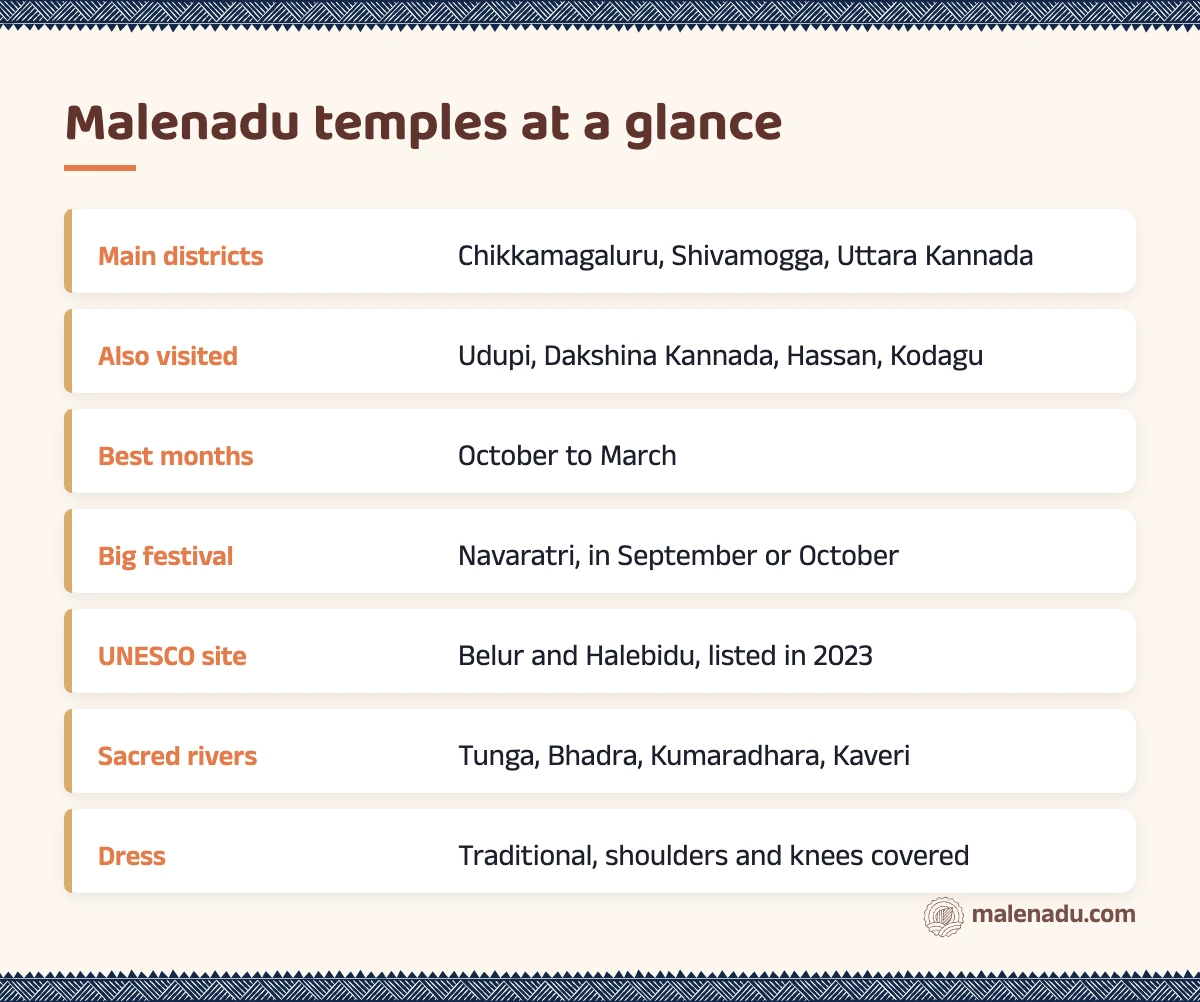
Malenadu temples at a glance
This table lists the Malenadu temples in this guide with their district and what each one is best known for.
| Temple | District | Known for |
|---|---|---|
| Sharadamba, Sringeri | Chikkamagaluru | Goddess of learning, on the Tunga |
| Vidyashankara, Sringeri | Chikkamagaluru | 14th century stone temple, zodiac pillars |
| Annapoorneshwari, Horanadu | Chikkamagaluru | Goddess of food, meals for all, on the Bhadra |
| Rameshwara, Keladi | Shivamogga | First capital of the Keladi Nayakas |
| Aghoreshwara, Ikkeri | Shivamogga | Granite temple, large Nandi |
| Mookambika, Kollur | Udupi | Goddess temple below Kodachadri |
| Madhukeshwara, Banavasi | Uttara Kannada | Old Kadamba capital, honey coloured linga |
| Mahaganapati, Idagunji | Uttara Kannada | Standing two-armed Ganapati |
| Subramanya, Kukke | Dakshina Kannada | Serpent worship, on the Kumaradhara |
| Manjunatha, Dharmasthala | Dakshina Kannada | Shiva temple on the Netravati, free meals |
| Chennakeshava, Belur | Hassan | Hoysala carving, UNESCO listed |
| Hoysaleshwara, Halebidu | Hassan | Hoysala carving, UNESCO listed |
| Talakaveri | Kodagu | Source of the Kaveri river |
Temples in Chikkamagaluru: Sringeri, Horanadu and Kalasa
The best known temples in Chikkamagaluru are the Sringeri temple of Goddess Sharadamba, the Horanadu temple of Goddess Annapoorneshwari and the Kaleshwara temple at Kalasa. All three sit in deep green valleys reached by winding ghat roads. Many pilgrims visit these Malenadu temples together in one trip.
Sringeri temple: Sharadamba and Vidyashankara
The Sringeri temple of Goddess Sharadamba stands on the banks of the Tunga river in Sringeri taluk. Sharadamba is worshipped as the goddess of learning and tradition links Sringeri with the saint Adi Shankara. Navaratri is the biggest time of the year here, with daily processions of the goddess.
Next to it stands the Vidyashankara temple, a stone temple from the 14th century that mixes Hoysala and Dravidian styles. According to Karnataka Tourism, its twelve inner pillars line up with the sun’s position in the twelve solar months. The steps down to the Tunga are a calm place to sit after darshan.
Horanadu temple: Annapoorneshwari, the goddess of food
The Horanadu temple of Goddess Annapoorneshwari sits on the banks of the Bhadra river at about 831 m, in a small village of the Western Ghats. Annapoorneshwari is the goddess of food. The main image of the goddess is cast in gold.
The Horanadu temple is known for feeding every visitor. Karnataka Tourism notes that all three meals, with tea or coffee, are offered free to devotees of any religion or caste. Navaratri and Akshaya Tritiya draw the biggest crowds.
The road to Horanadu climbs through coffee estates and areca gardens where pepper vines wind up the trees. Our black pepper grows on vines in gardens like these.
From the malenadu pantry
Pepper from the hills you drive through on the way to Sringeri and Horanadu, picked by hand from vines on areca palms and dried in the sun. A small jar is an easy thing to bring home.
Kalasa Kaleshwara
Kalasa, about 10 km from Horanadu, is home to the Kaleshwara temple, a Shiva temple many pilgrims add to the same day. The town sits in the Bhadra valley and makes a good halt between the two goddess temples.
Temples in Shivamogga: Keladi and Ikkeri
The most important temples in Shivamogga for history lovers are at Keladi and Ikkeri near Sagara, the old capitals of the Keladi Nayakas. These Malenadu temples are smaller than the big pilgrim centres, quieter and full of fine stone carving.
Keladi Rameshwara and Veerabhadra
Keladi was the first capital of the Nayakas, who later moved to Ikkeri and then to Bidanur in 1639. The Rameshwara temple here dates to the 16th century and is dedicated to Shiva, with a Nandi facing the shrine. The Veerabhadra temple shares its halls. Look up at the ceiling of the Veerabhadra sanctum for the carved Gandaberunda, the two-headed bird that later became a symbol of Karnataka.
Ikkeri Aghoreshwara
Ikkeri, about 6 km from Sagara, was the next capital of the Keladi Nayakas. Its name means “two streets” in Kannada. The Aghoreshwara temple is a 16th century granite temple that mixes Vijayanagara and Dravidian styles, with three shrines, one of them for Goddess Parvati. A large, polished Nandi sits under a porch at the entrance.
Sagara is also the base for Jog Falls and other falls of the Sharavathi valley. Our guide to Malenadu waterfalls can help you plan a day around them.
Kollur Mookambika at the foot of Kodachadri
Kollur Mookambika is the temple of Goddess Mookambika at Kollur in Udupi district, at the foot of Kodachadri hill. Though it lies in a coastal district, the village sits in thick Western Ghats forest beside the Souparnika river, which rises in the Kodachadri hills. Tradition holds that Adi Shankara did penance here and consecrated the goddess.
Kollur Mookambika is open from early morning till night, with short breaks for rituals. Kodachadri is about 38 km away and many visitors take a jeep up the hill from Kollur. Our guide to Malenadu trekking covers the walk to the summit.
Kollur is one of the busiest Malenadu temples during Navaratri. Come on a weekday outside festival time if you want a quiet darshan.
Malenadu temples of Uttara Kannada: Banavasi and Idagunji
The Malenadu temples of Uttara Kannada include the ancient Madhukeshwara temple at Banavasi and the Mahaganapati temple at Idagunji near Honnavar. One is deep in the hills near Sirsi and the other sits where the Sharavathi nears the sea.
Banavasi Madhukeshwara
Banavasi, about 22 km from Sirsi on the Varada river, was the capital of the Kadambas, the first royal family to rule from Karnataka and use Kannada in government.
The Madhukeshwara temple, one of the oldest Malenadu temples, stands at the heart of the town. It is dedicated to Shiva and is known for its honey coloured linga. Madhu means honey. The temple was added to by several later dynasties, so you see many styles in one place.
Banavasi holds the Kadambotsava, a yearly festival of music and literature. October to March is the best time to visit.
Idagunji Mahaganapati
Idagunji, about 15 km from Honnavar near the Sharavathi river, is one of the best known Ganapati temples of the region. The black stone image shows Ganapati standing, with just two arms, holding a lotus in one hand and a modaka (sweet dumpling) in the other. Many families visit before starting something new, such as a wedding, a journey or a harvest.
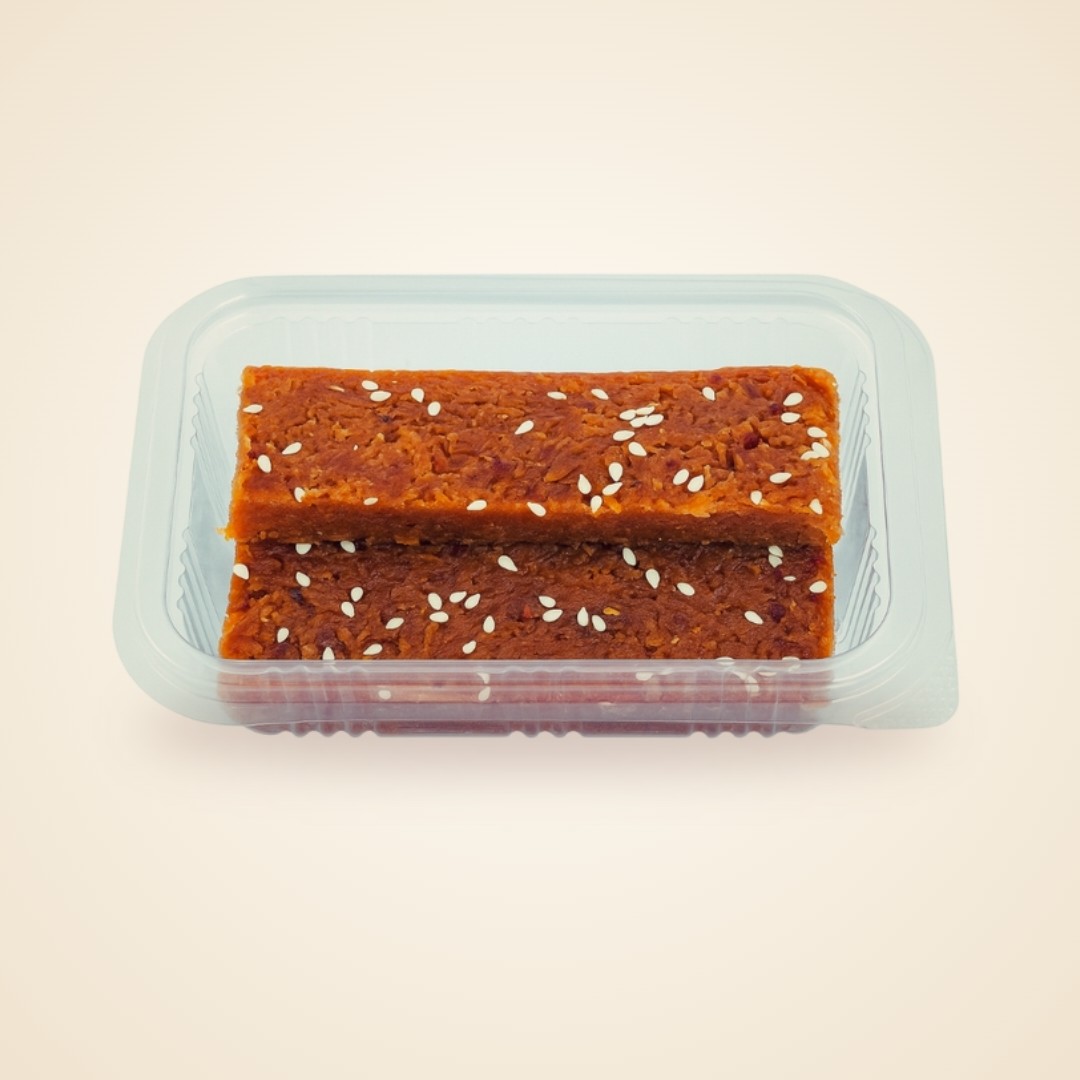
Ganapati is fond of sweets made with jaggery and coconut, which is why such sweets fill the stalls outside many temples in the hills. Our coconut jaggery burfi is made with the same two ingredients.
From the malenadu pantry
A simple sweet of coconut and jaggery, much like the sweets offered and shared after a temple visit in the hills. It keeps for a few days, so it travels well on a temple circuit.
Murudeshwar, with its tall Shiva statue by the sea, lies on the coast south of Idagunji. It is a coastal temple rather than one of the Malenadu temples, but many people combine the two in one drive.
Kukke Subramanya and Dharmasthala
Kukke Subramanya and Dharmasthala are the two great pilgrim towns of Dakshina Kannada, about 55 km apart at the foot of the ghats. Most visitors from Bengaluru see both in one trip.
Kukke Subramanya
The Kukke Subramanya temple stands on the banks of the Kumaradhara river. Here Lord Subramanya is worshipped as a serpent, together with Vasuki, the king of snakes. Families come for rituals linked to serpent worship, which makes it one of the busiest Malenadu temples on special puja days.
Kumara Parvatha, one of the hardest treks in Karnataka, starts close by. Bisle Ghat is about 20 km away.
Dharmasthala Manjunatha
The Dharmasthala Manjunatha temple stands on the Netravati river in Belthangady taluk. Manjunatha is a form of Shiva. The town is known for serving free meals to all pilgrims and for its Laksha Deepotsava in November and December, when about one lakh lamps are lit. A 39 ft stone statue of Bahubali stands on a hill nearby.
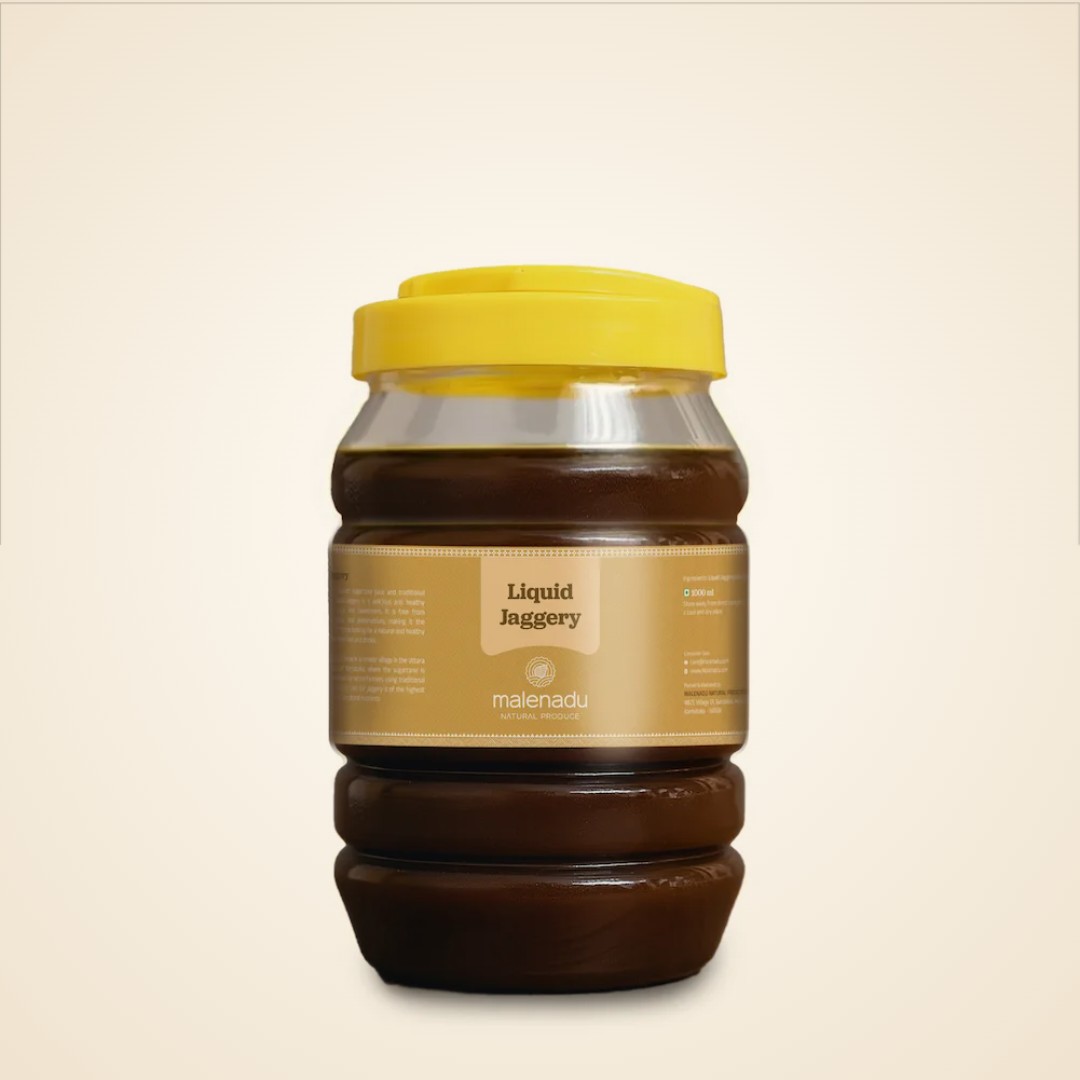
Meals at Malenadu temples follow a simple pattern: rice, saaru, a vegetable dish and a sweet payasa made with jaggery. To make payasa at home, liquid jaggery stirs in easily.
From the malenadu pantry
Joni bella, the soft liquid jaggery of the hills, stirs straight into payasa without melting a block first. It is a handy way to make a festival sweet at home after a temple trip.
Belur and Halebidu: Hoysala temples at the Malenadu edge
Belur and Halebidu in Hassan district hold the finest Hoysala temples, built in the 12th and 13th centuries just where the plains meet the Malenadu hills. In 2023 the Chennakeshava temple at Belur and the Hoysaleshwara temple at Halebidu joined the UNESCO World Heritage List as part of the Sacred Ensembles of the Hoysalas, with the Keshava temple at Somanathapura.
Strictly, these are plains temples at the gateway to the hills rather than Malenadu temples, but almost every trip to the hills passes them.
Both are built of chloritic schist, a soft grey stone that allowed carving of amazing detail. Every outer wall is covered with gods, dancers, animals and scenes from the epics. Belur and Halebidu are 16 km apart, so you can see both in half a day. They also sit on the way between Bengaluru and the temples in Chikkamagaluru.
Local tip
Hire a guide at Belur or Halebidu. The carvings tell stories you will walk past without noticing. A good guide shows you the details in an hour.
Talakaveri and Bhagamandala in Kodagu
Talakaveri, in the Brahmagiri hills of Kodagu at 1,276 m, is where the Kaveri river begins. A small tank marks the source and steps lead up the hill for views across the Western Ghats. Talakaveri is about 48 km from Madikeri and is the highest of the Malenadu temples in this guide.
Below it lies Bhagamandala, where the Kaveri meets the Kannike and the hidden Sujyoti at the Triveni Sangama. Pilgrims bathe here before going up to Talakaveri. The biggest day is Tula Sankramana in mid October, when the river is believed to rise from the tank. Our guide to Malenadu festivals explains this and other festival days.
How to plan a Malenadu temples route
The easiest way to plan Malenadu temples is in four circuits, each built around one base town. Pick one circuit of Malenadu temples for a weekend or join two for a longer trip. Our guide on Bangalore to Malenadu covers the drive up.
| Circuit | Temples in order | Base | Days | Known distances |
|---|---|---|---|---|
| Chikkamagaluru | Belur, Halebidu, Sringeri, Horanadu, Kalasa | Chikkamagaluru or Sringeri | 2 to 3 | Belur to Halebidu 16 km, Kalasa to Horanadu 10 km |
| Sagara and Sirsi | Keladi, Ikkeri, Banavasi | Sagara or Sirsi | 2 | Ikkeri 6 km from Sagara, Banavasi 22 km from Sirsi |
| Kollur and coast | Kollur, Kodachadri, Murudeshwar, Idagunji | Kollur or Kundapura | 2 | Kollur to Kodachadri 38 km |
| Dakshina Kannada and Kodagu | Dharmasthala, Kukke, Bhagamandala, Talakaveri | Dharmasthala, Kukke or Madikeri | 3 | Dharmasthala to Kukke 55 km, Kukke to Madikeri 75 km |
For more places to see between temples, browse the Malenadu travel guide.
When is the best time to visit Malenadu temples?
The best time to visit Malenadu temples is October to March, when the rain has stopped, the roads are dry and the hills are still green. Mornings are cool and the crowds are lighter on weekdays.
- Navaratri (September or October): Sringeri, Horanadu and Kollur are at their busiest. Expect long queues.
- Mid October: Tula Sankramana at Talakaveri.
- November and December: Laksha Deepotsava at Dharmasthala.
- June to September: The monsoon is beautiful but ghat roads to Malenadu temples such as Horanadu, Kukke and Sringeri can see landslides. Read our guide to the Malenadu monsoon before planning a rainy season trip.
Dress and darshan tips for Malenadu temples
Malenadu temples expect modest, traditional dress and a quiet, patient manner. These general tips work at most temples in the hills:
- Dress simply. Cover shoulders and knees. A dhoti, kurta, saree or salwar is ideal. Avoid shorts.
- Men may be asked to remove shirts before entering some inner shrines. Follow the notice at the entrance.
- Leave footwear outside at the counter or near the gate.
- Do not photograph the sanctum. Many Malenadu temples ban photos inside. Ask before using your phone.
- Go early. The first darshan of the morning is calmer than midday.
- Carry small change for offerings and footwear counters.
- Eat the temple meal if offered. Sit in the row, eat what is served and do not waste food.
Local tip
Check the darshan timings the day before you go, especially on festival days. Many Malenadu temples close for a few hours in the afternoon and some change their hours for special rituals.
Where to go next
After the Malenadu temples, slow down in the villages around them. Our guide to Malenadu food shows what to eat on the way. For a sweet to share at home after your trip, browse the jaggery sweets and spices from these hills.
Bring Malenadu home
Grown and made by Malenadu farmer families, packed by malenadu, a farmer owned producer company in Honnavar.
-
Coconut Jaggery Burfi
₹120 -
14% OFF

Liquid Jaggery
Original price was: ₹349.₹299Current price is: ₹299. -
8% OFF
Black Pepper
Price range: ₹165 through ₹299 -
51% OFF
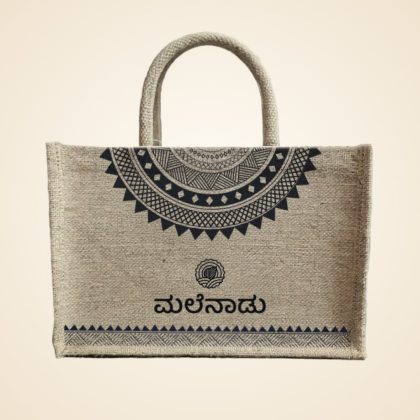
Small Jute Bag
Original price was: ₹200.₹99Current price is: ₹99. -
29% OFF
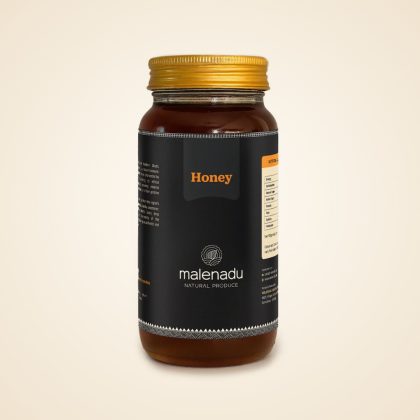
Honey
Price range: ₹249 through ₹449 -
40% OFF
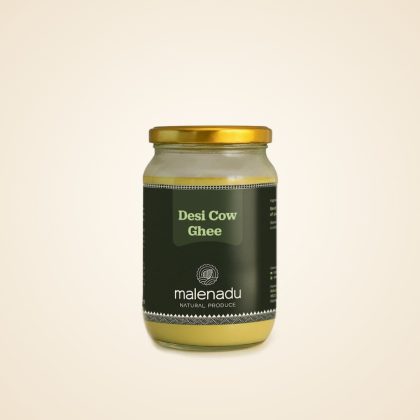
Desi Cow Ghee
Original price was: ₹1,500.₹899Current price is: ₹899.
Frequently asked questions about Malenadu temples
Which are the most famous Malenadu temples?
The best known are Sringeri Sharadamba, Horanadu Annapoorneshwari, Kollur Mookambika, Kukke Subramanya and Dharmasthala Manjunatha. Banavasi, Idagunji, Keladi, Ikkeri and Talakaveri are also important, with Belur and Halebidu at the edge of the hills.
Which temples in Chikkamagaluru should I visit?
Start with the Sharadamba and Vidyashankara temples at Sringeri, then the Annapoorneshwari temple at Horanadu and the Kaleshwara temple at Kalasa. Belur and Halebidu in Hassan are close by on the way.
What is the Horanadu temple famous for?
Horanadu is the temple of Goddess Annapoorneshwari, the goddess of food, on the Bhadra river. It is famous for serving free meals to every visitor.
Which river flows past the Sringeri temple?
The Tunga river flows past the Sharadamba temple at Sringeri. Visitors often sit on the steps by the river after darshan.
How far is Kodachadri from Kollur Mookambika?
Kodachadri is about 38 km from Kollur. Many visitors hire a jeep from Kollur to reach the hill.
What are the main temples in Shivamogga?
Keladi and Ikkeri near Sagara are the key temples in Shivamogga, both linked to the Keladi Nayakas. The Aghoreshwara temple at Ikkeri and the Rameshwara temple at Keladi date to the 16th century.
What is the dress code for Malenadu temples?
Wear modest, traditional clothes that cover shoulders and knees and leave footwear outside. Some temples ask men to remove shirts before entering the inner shrine.
When is the best time to visit Malenadu temples?
October to March is best, with dry roads and cool mornings. Navaratri is the busiest time at Sringeri, Horanadu and Kollur.
Explore more of Malenadu
Malenadu TravelMalenadu Travel GuideRoutes, stays and seasons for the rain hills of Karnataka
Malenadu TravelMalenadu Monsoon and RainfallWhy the hills get so much rain and how life bends to it
Malenadu TravelMalenadu Peaks and TreksPeaks, permits and seasons for walking the Western Ghats
Malenadu TravelMalenadu Waterfalls22 falls across the hills, with access and best season
Malenadu TravelMalenadu WildlifeTigers, macaques, king cobras and the forests farms need
Malenadu TravelBangalore to MalenaduDistances, routes and plans for the drive to the hills
Malenadu CultureMalenadu CulturePeople, arts and old ways of Karnataka’s rain hills
Malenadu FarmingMalenadu CropsWhat grows in Karnataka’s rain hills and why it grows
Start hereMalenadu in KarnatakaWhere Malenadu is, what the name means