
Malenadu Food
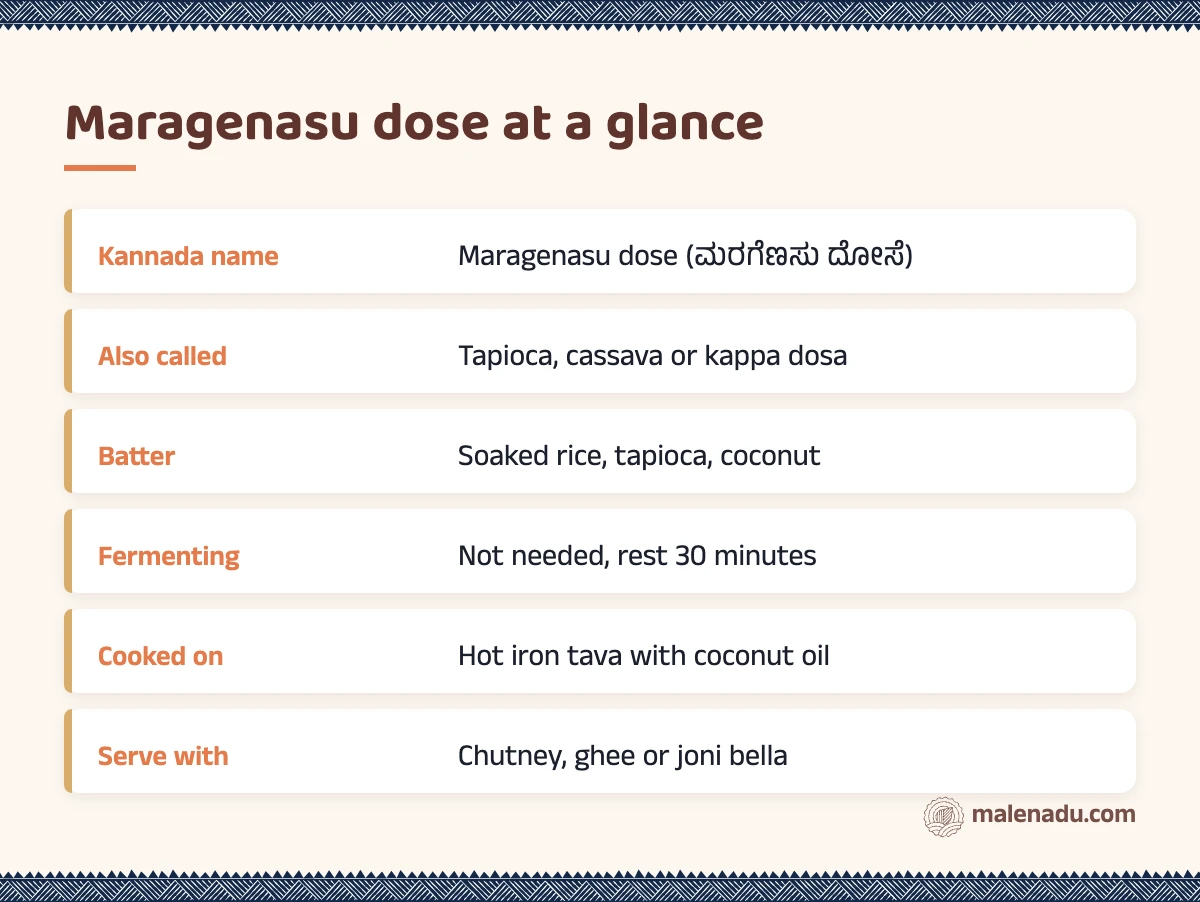
Maragenasu dose (ಮರಗೆಣಸು ದೋಸೆ) is a dosa made from soaked rice ground with peeled tapioca and fresh coconut, cooked on a hot tava with coconut oil. This page explains what maragenasu is, how to peel and prepare it safely, gives a no-fermentation home recipe, four variations and what to serve with it.
On this page
What is maragenasu dose?
Maragenasu dose is a soft dosa with lightly crisp edges, made from a batter of rice and tapioca. “Maragenasu” (ಮರಗೆಣಸು) is the Kannada word for tapioca. “Dose” is how Kannada speakers say dosa. So the name means tapioca dosa.
Tapioca adds a gentle sweetness and a slightly chewy, springy bite that plain rice dosa does not have. It also makes the batter go further. In many hill and coastal homes, a few tapioca plants grow along the fence. One dug-up root can feed a family’s breakfast.
Maragenasu dose needs no urad dal and no overnight fermenting. You soak rice for a few hours, grind it with tapioca and coconut and the batter is ready. That makes it a quick weekend breakfast or an evening tiffin.
Is maragenasu dose a Malenadu dose?
Yes. Maragenasu dose belongs to the family of Malenadu dose, the rice based dosas of the hills that skip urad dal, such as neer dose and sihi dose. They are cooked thin on an iron tava with coconut oil and served with chutney, ghee or joni bella.
What is maragenasu? Tapioca, cassava and kappa explained
Maragenasu is tapioca, the starchy root of the cassava plant (Manihot esculenta). The same root has many names: cassava in English, kappa in Malayalam, maravalli kizhangu in Tamil and maragenasu in Kannada. “Mara” means tree and “genasu” means a tuber, a fair name for a woody shrub with fat roots underground.
Cassava is not native to India. According to ICAR-CTCRI, the national tuber crops research centre, cassava was domesticated in the Amazon basin and was introduced to India by the Portuguese in the 17th century. The same report says long duration varieties are harvested 9 to 10 months after planting and short duration ones in 6 to 8 months.
So whether you search for cassava dosa, kappa dosa or tapioca dosa, you are looking for the same dish as maragenasu dose. The recipe on this page works for all of them. For other local names of roots, greens and spices, see our list of spice and ingredient names in Kannada.
How to choose a good tapioca root
Pick roots that are firm, heavy and free of soft or black patches. Snap off one end: the flesh should be bright white or creamy and moist. If it shows blue-black streaks or smells sour, the root is old. Tapioca spoils within two or three days of digging, so buy it fresh and use it soon.
Is tapioca safe to eat? How to prepare maragenasu safely
Tapioca is safe to eat when it is peeled and fully cooked, but it must never be eaten raw. The root contains natural compounds called cyanogenic glucosides (mainly linamarin), which can release cyanide. Peeling, soaking and cooking remove most of them, which is why every Malenadu home handles tapioca the same careful way.
Most of these compounds sit in the skin. An ICAR CTCRI advisory note says the rind of cassava contains several times more cyanoglucosides than the edible part. The same note says that slicing and cooking cassava in plenty of water removes a large share of them.
The Food and Agriculture Organization reports that boiling fresh cassava chips removes about 90 percent of free cyanide within 15 minutes and that sweet varieties hold most of these compounds in the skin and the layer just under it. Here is the safe way to prepare maragenasu at home:
- Peel both layers. Cut the root into 3 inch pieces, slit the skin lengthwise and pull off the thin brown outer skin and the thick pinkish white rind under it together. Only the white flesh goes into your food.
- Remove the woody core. Halve each piece and pull out the thin, stringy fibre in the centre.
- Soak or boil. Soak the peeled pieces in plenty of water for 3 to 4 hours, changing the water once. For extra care, boil them for 10 minutes in a big pot of water and throw that water away.
- Cook fully. Each maragenasu dose must be cooked through on both sides. Never taste raw tapioca or raw batter.
- Discard bitter roots. If a piece tastes bitter after cooking, throw the batch away. Bitter roots are not meant for the kitchen.
Local tip
Use only tapioca sold for cooking, from a vegetable shop or your own backyard plant that the family already eats. Do not use roots from unknown wild plants.
Maragenasu dose recipe: how to make tapioca dosa at home
This maragenasu dose recipe makes 10 to 12 medium dosas, enough for four people at breakfast. It uses a ratio of 1 cup rice to 1 1/2 cups peeled tapioca, with half a cup of coconut. Start soaking the rice and tapioca about four hours before you want to eat.
Recipe card
Maragenasu Dose
Soft tapioca and rice dosa with fresh coconut, soaked for 4 hours, ground without fermenting and cooked on a hot tava with coconut oil.
Ingredients
- 1 cup raw rice (dosa rice or sona masuri), about 200 g
- 1 1/2 cups peeled, chopped tapioca (maragenasu), about 250 g, from about 350 g whole root
- 1/2 cup freshly grated coconut
- 1 teaspoon salt (adjust to taste)
- 1 1/4 to 1 1/2 cups water, for grinding
- 3 to 4 tablespoons coconut oil, for the tava
Method
- Wash the rice two or three times and soak it in plenty of water for 4 hours.
- Peel the tapioca as shown above, removing both the brown skin and the thick inner rind. Pull out the woody core. Chop the white flesh into small pieces.
- Soak the tapioca pieces in a separate bowl of water for the same 4 hours, changing the water once. Drain and rinse.
- Grind the tapioca with 1/2 cup water until fine. Add the drained rice, coconut and salt with about 3/4 cup more water and grind into a smooth batter, a little thicker than neer dose batter, like thin pancake batter.
- Pour the batter into a bowl and let it rest for 30 minutes. Stir well before use.
- Heat an iron tava on a medium high flame until a sprinkle of water sizzles away at once. Wipe it with a little coconut oil.
- Pour a ladle of batter in the centre and spread it gently into a 7 inch round, not too thin. Drizzle 1/2 teaspoon coconut oil around the edges, cover with a lid and cook for 1 to 2 minutes until the edges turn golden and lift.
- Flip and cook the second side for 1 minute until it has golden spots and no wet patches. Serve hot. Wipe the tava with oil before each dose.
The finished maragenasu dose should be soft and slightly springy in the middle, golden and lacy at the edges and fully dry inside. If the centre looks wet or sticky when you tear it, cook it a little longer.
From the malenadu pantry
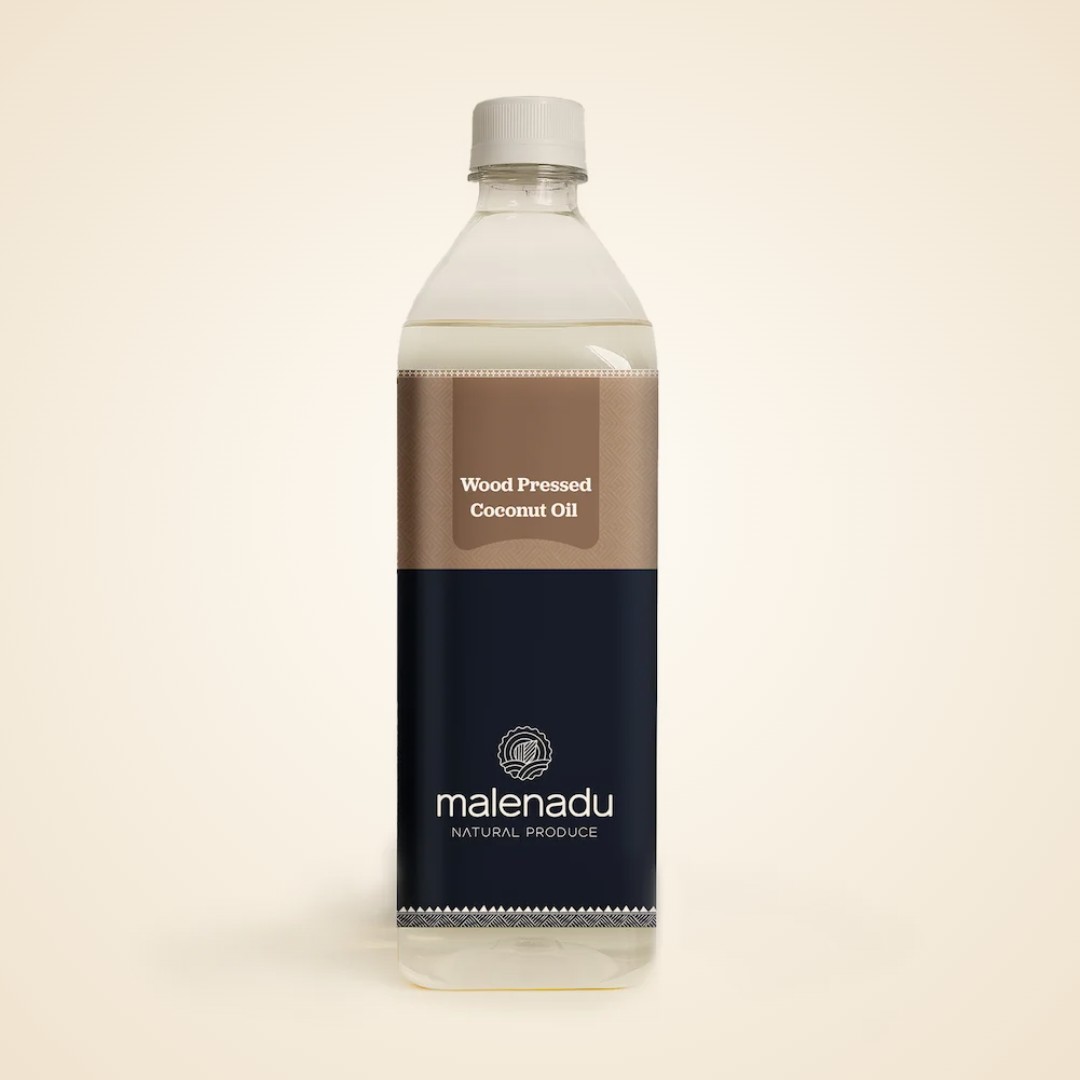
malenadu Wood Pressed Coconut Oil is made from sun dried copra in a wooden ghani. A few drops on the tava give maragenasu dose its golden, lacy edge and a warm coconut smell.
How to cook maragenasu dose on a hot tava
Maragenasu dose needs a hot, well seasoned iron tava, a little wood pressed coconut oil and some patience. Tapioca has a lot of starch, so the batter sticks if the tava is cold and burns if it is too hot.
- Season the tava first. Rub it with a cut onion dipped in oil before the first dose. This stops sticking.
- Test the heat. Sprinkle water on it. It should sizzle and vanish in a second or two.
- Spread gently. The batter is thicker than plain rice dosa batter, so spread it with the back of the ladle in slow circles.
- Cover for the first side. The lid traps steam and cooks the middle through, which matters with tapioca.
- Cook both sides. Unlike a thin rice dosa, maragenasu dose is always flipped and cooked on the second side.
If the first dose sticks, let the tava heat a little more and wipe it with oil again. The first one is often a test.
Maragenasu dose variations to try
Maragenasu dose is easy to change once you have the basic batter. These four variations are common in hill homes.
Sweet maragenasu dose with jaggery
Stir 1/4 cup liquid jaggery and a pinch of cardamom into half the batter. Cook on a slightly lower flame, because jaggery browns fast. This sweet maragenasu dose is a tea time favourite with children over one year. Do not give jaggery, sugar or honey to babies under one year.
From the malenadu pantry
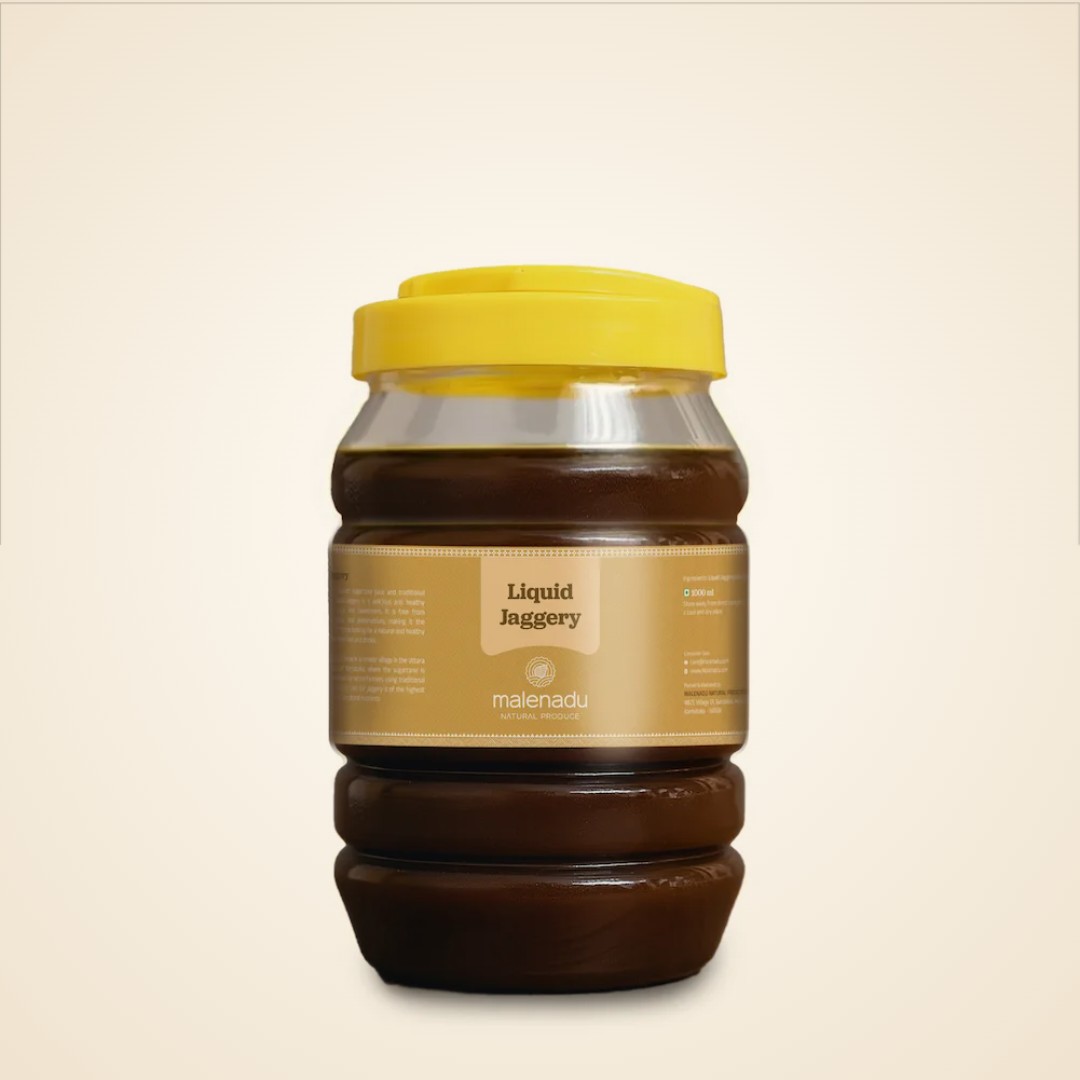
malenadu Liquid Jaggery is joni bella, runny jaggery boiled down from sugarcane juice. It mixes into tapioca batter without lumps for sweet maragenasu dose. It also goes on top of a plain one with ghee.
With more coconut
Double the coconut to 1 cup. The dose turns richer, softer and a little sweeter. The edges also crisp up more in coconut oil. This is the closest to the dose many grandmothers made when coconuts were plenty.
Masala maragenasu dose
Add 1 finely chopped onion, 2 green chillies, a few curry leaves and 1/2 teaspoon cumin to the batter just before cooking. For more heat, crush in one bird eye chilli. It needs no chutney and packs well for lunch.
Soft dose with boiled tapioca
Boil the peeled tapioca pieces in plenty of water for 10 to 12 minutes, drain and throw away the water, then grind as usual. The dose comes out softer and less crisp. Many cooks prefer this method when they make tapioca dosa for the first time.
What to serve with maragenasu dose
Maragenasu dose is best with a fresh coconut chutney and a spoon of ghee, eaten straight off the tava. Its mild sweetness also suits spicy and sweet partners.
- Coconut chutney. Coconut, green chilli and a little tamarind, seasoned in coconut oil.
- Ghee and joni bella. A spoon of each for a sweet breakfast.
- Huchellu chutney. The nutty niger seed chutney of the hills.
- Chutney pudi. A dry chutney powder with a little coconut oil.
- A curry. Plain maragenasu dose goes well with Malenadu koli saaru or a vegetable curry.
A spoon of desi cow ghee on a hot maragenasu dose is how most of us ate it as children. Let it melt into the middle before you tear it. If you are choosing a sweetener, our guide to jaggery vs sugar vs honey explains the differences.
From the malenadu pantry
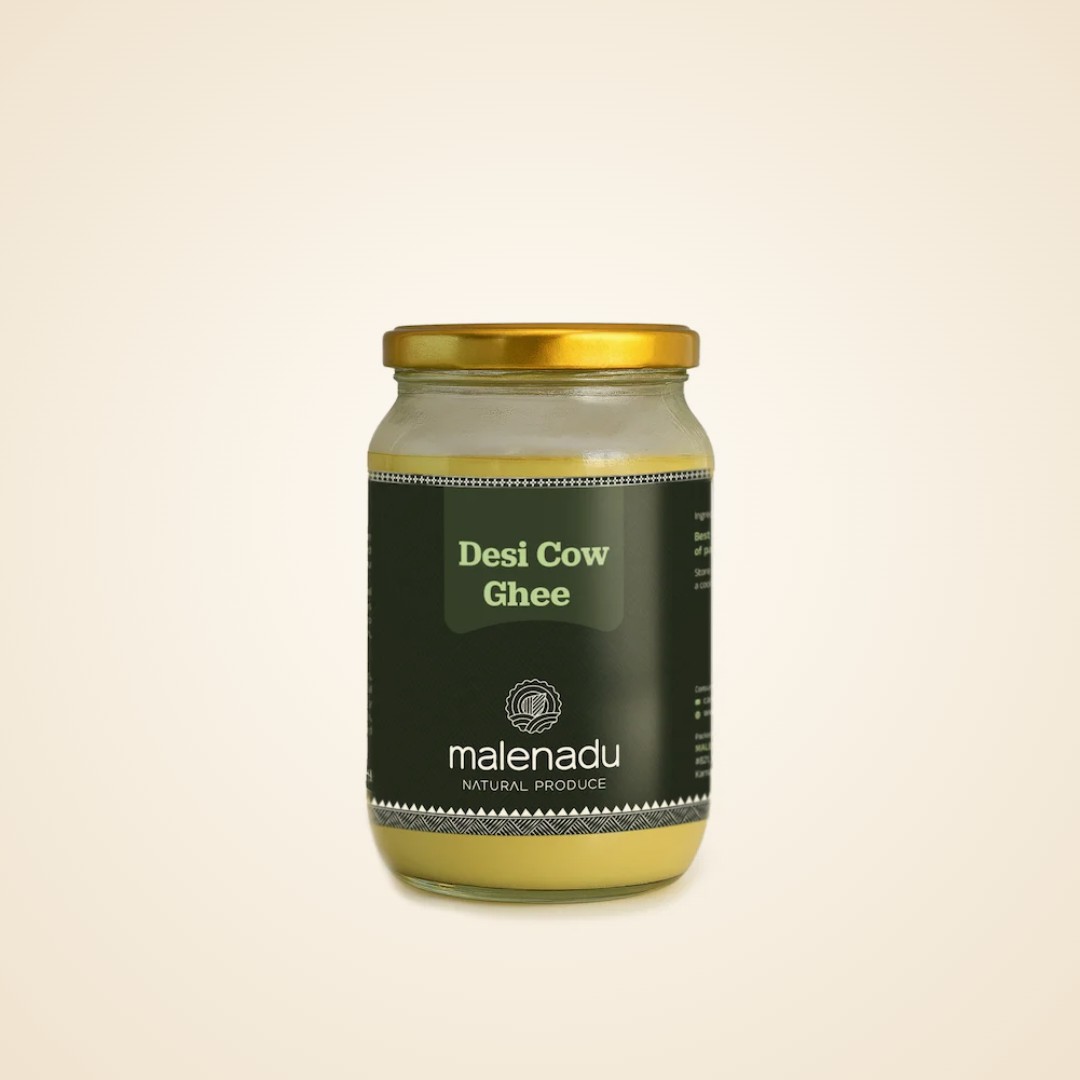
malenadu Desi Cow Ghee is hand churned by farmer families from the milk of desi breeds such as Malenadu Gidda. A spoon on a hot maragenasu dose, with a little joni bella, is a classic hill breakfast.
Other maragenasu recipes from Malenadu homes
Maragenasu recipes go well beyond dosa, because one plant gives a lot of root. Here are a few other ways families use it:
- Boiled maragenasu. Peeled pieces boiled in salted water, drained and eaten hot with a spicy chutney.
- Maragenasu palya. Boiled pieces tossed with mustard, curry leaves, green chilli and grated coconut.
- Chips. Thin slices fried crisp in coconut oil and salted.
- Vada. Grated tapioca mixed with rice flour, onion and chilli and fried.
Every one of these maragenasu recipes starts the same way: peel both layers and cook the root well. To see what grows and is harvested when in the hills, read our Malenadu crop calendar.
Common maragenasu dose mistakes and how to fix them
Most maragenasu dose problems come from batter that is too thick, a cold tava or undercooking. This table shows what went wrong and what to do next time.
| Problem | Likely cause | Fix |
|---|---|---|
| Dose sticks to the tava | tava not hot or not seasoned | heat longer, rub with oiled onion |
| Gummy, wet centre | too thick or not covered | spread thinner, cover the first side |
| Dose breaks when flipped | batter too thin or flipped early | add a spoon of rice flour, wait for edges to lift |
| Hard and dry | too long on low heat | cook on medium high, cover |
| Bitter taste | inner rind left on or bitter root | peel both layers, discard bitter roots |
Grind the tapioca first on its own, before the rice. Its fibre does not break down if you grind everything together. Stringy batter gives a rough dose.
Local tip
Make the batter in the morning and cook all of it the same day. Tapioca batter turns sour and grey quickly, so do not keep it overnight unless it is in the fridge.
Where to go next after maragenasu dose
If you enjoy maragenasu dose, try the soft, hand patted Malenadu akki rotti, another rice breakfast of the hills. Our Malenadu food guide brings all the recipes together. For joni bella and other sweeteners for your sweet dose, see the natural sweeteners section of our shop.
Bring Malenadu home
Grown and made by Malenadu farmer families, packed by malenadu, a farmer owned producer company in Honnavar.
-
24% OFF
Wood Pressed Coconut Oil
Original price was: ₹899.₹679Current price is: ₹679. -
14% OFF
Liquid Jaggery
Original price was: ₹349.₹299Current price is: ₹299. -
40% OFF
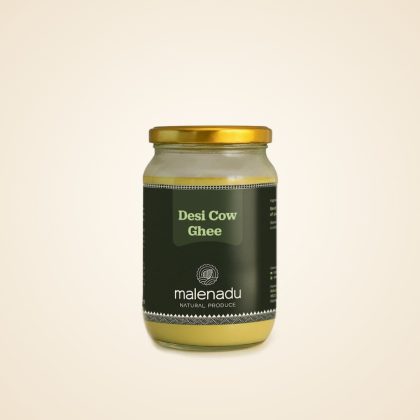
Desi Cow Ghee
Original price was: ₹1,500.₹899Current price is: ₹899. -
Bird Eye Chilli
₹200 -
8% OFF
Black Pepper
Price range: ₹165 through ₹299 -
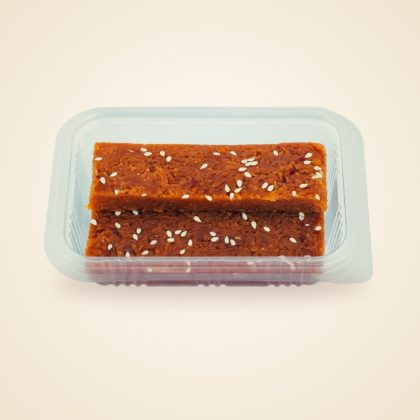
Coconut Jaggery Burfi
₹120
Frequently asked questions about maragenasu dose
What is maragenasu in English?
Maragenasu is tapioca, also called cassava. In Malayalam it is kappa, so maragenasu dose is the same as tapioca dosa, cassava dosa or kappa dosa.
Is it safe to make dosa with raw tapioca?
Yes, as long as the tapioca is peeled properly, soaked and the dosa is fully cooked on both sides. Never eat raw tapioca or raw batter. Throw away any root that tastes bitter.
Does maragenasu dose need fermenting?
No. Rest the batter for about 30 minutes and cook it the same day. It needs no urad dal and no overnight fermenting.
Why is my tapioca dosa sticky in the middle?
The batter is too thick or the tava is not hot enough. Spread it thinner, cover the first side and cook both sides until no wet patches remain.
Can I use boiled tapioca for dosa?
Yes. Boiled tapioca gives a softer dose. Boil peeled pieces in plenty of water for 10 to 12 minutes, throw the water away and grind as usual.
Can I make sweet maragenasu dose?
Yes. Stir liquid jaggery and a pinch of cardamom into the batter and cook on a slightly lower flame. Do not give it to babies under one year.
How long does maragenasu dose batter keep?
It is best used the same day. Kept covered in the fridge, it lasts up to one day, but it turns sour and loses colour quickly.
Explore more of Malenadu
Malenadu FoodMalenadu FoodRice, kokum, pepper and joni bella from the hills
Malenadu FoodHalasina KadubuSweet jackfruit dumplings steamed in leaves
Malenadu FoodSpices Names in KannadaEnglish, Kannada and Hindi names for a Malenadu kitchen
Malenadu FoodKara KadubuSpicy steamed rice dumplings from Malenadu kitchens
Malenadu FoodKokum SaaruThe sour, peppery everyday rasam of Malenadu homes
Malenadu FoodMenthya TambuliA cool fenugreek and curd side for the first rice course
Malenadu FoodMalenadu FruitsJackfruit, kokum, wild mango and the fruits of the forest
Malenadu FoodKesuvina GojjuThe sweet and sour colocasia leaf relish of the monsoon
Start hereMalenadu in KarnatakaWhere Malenadu is, what the name means