
Malenadu Farming
This Malenadu crop calendar walks through the year in the hills of Karnataka, January to December: what the weather is doing, what farmers harvest and plant and what is cooking in the kitchen. It covers pepper, areca, coffee, cardamom, kokum, jackfruit, paddy, honey, turmeric and jaggery, with the festivals that fall around them.
On this page
How to read this Malenadu crop calendar
This Malenadu crop calendar gives the usual month for each job, but every village runs a little early or late. Malenadu stretches from the coastal foothills near Honnavar up to cool coffee estates high in the ghats. It also runs from very wet ghat villages to drier eastern taluks.
A few simple rules explain most of the differences:
- Height: higher, cooler estates harvest later. Pepper picked in December near the coast may still be on the vine in March on a high estate.
- Rain: the wettest villages get the monsoon earlier and harder, so spraying and planting dates move with it.
- The year itself: a late monsoon or an unseasonal shower in winter can shift a harvest by weeks.
So read the Malenadu crop calendar as a guide, not a timetable. If you want to know where each taluk sits, our page on Malenadu districts and taluks is a good map to keep open alongside this Malenadu crop calendar.
Malenadu crop calendar month by month
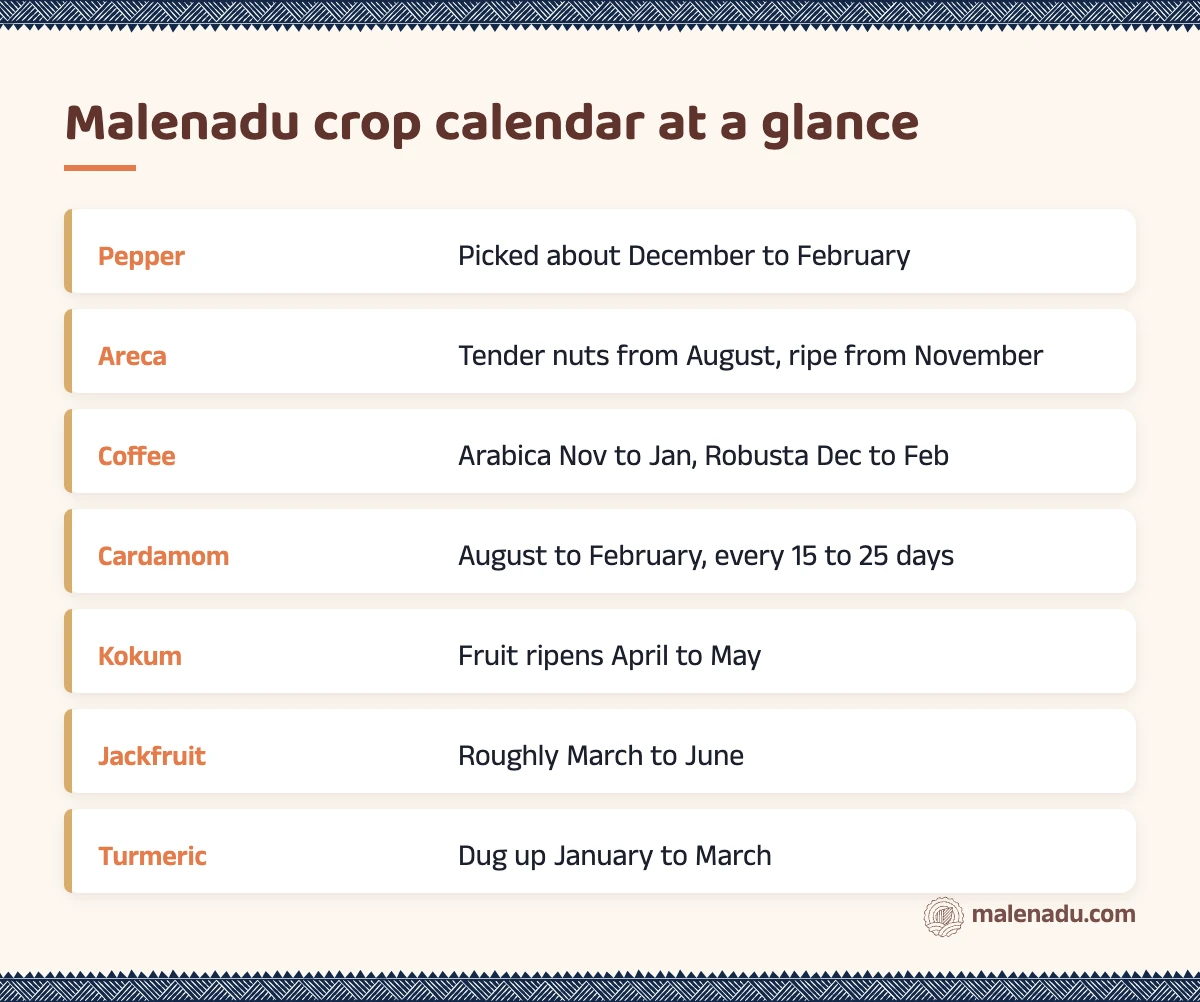
The table below is the whole Malenadu crop calendar at a glance: one row per month, with weather, field work and the kitchen side by side. The sections after it explain each season of the Malenadu crop calendar in more detail.
| Month | Weather | In the fields | In the kitchen |
|---|---|---|---|
| January | Cool, dry, misty mornings | Pepper picking in full swing. Ripe areca harvested and dried for chali. Robusta coffee picking. Turmeric digging begins. Sugarcane crushing at the aalemane | Fresh joni bella. New pepper drying on mats. Ellu bella for Sankranti |
| February | Dry, days warming up | Pepper ends in lower areas. Robusta coffee finishes. Turmeric boiled and dried. Kokum and mango trees in flower | Turmeric drying in yards. Last of the winter jaggery |
| March | Hot and humid, first thunder late in the month | Coffee blossoms after the first showers. Gardens mulched and drains cleared. Tender mangoes picked | Appe midi pickle. First tender jackfruit for palya |
| April | Hottest month, pre-monsoon storms | Kokum fruit ripens and is picked. Jackfruit and mango in season. Honey taken in many areas | Kokum rind drying. Kokum juice. Jackfruit happala and sandige |
| May | Hot and heavy, storms build up | Kokum and jackfruit at their peak. First protective spray on areca bunches. Pits dug for new plants. Turmeric planted with the first rains | Stocking up for the monsoon: firewood, pickles, happala and dried kokum |
| June | Southwest monsoon arrives | Paddy nurseries sown and transplanting begins. Pepper vines flower. New areca and pepper planted | Kokum saaru. Halasina kadubu from the last jackfruit. Kashaya |
| July | Heaviest rain of the year | Paddy transplanting finishes. Second spray on areca. Cardamom flowering | Pathrode, bamboo shoot curry, roasted jackfruit seeds. Menthya tambuli |
| August | Steady rain, fewer storms | Tender areca harvested for kempu adike in some areas. First cardamom pickings | Rain food continues. Kadubu for Ganesha Chaturthi in some years |
| September | Rain easing, sunny breaks | Cardamom picked every 15 to 25 days. Areca boiled for kempu adike. Paddy in flower | Kadubu and sweets for festivals |
| October | Monsoon withdraws, evening showers | Cardamom picking at its peak. Paddy ripening. Bhoomi Hunnime in the fields | Deepavali sweets with ghee and jaggery in some years |
| November | Cool and clear | Paddy harvest. Arabica coffee picking starts. Chali areca harvest begins. Huttari in Kodagu | New rice. Deepavali in some years |
| December | Coolest nights, dry | Pepper picking begins in most areas. Arabica picking continues. Robusta starts. Areca drying. Aalemane fires lit in some villages | Fresh pepper. First joni bella of the season |
Festival dates on the Malenadu crop calendar follow the lunar calendar, so Deepavali can fall in October or November and Ganesha Chaturthi in August or September.
What are the Malenadu seasons?
The Malenadu seasons are simple to remember: a dry, busy winter harvest, a hot summer of fruit, a long monsoon and a short green autumn as the rain leaves. Every Malenadu crop calendar is built around the southwest monsoon, which usually arrives in early June and soaks the hills until about September.
| Season | Months | What it means on the farm |
|---|---|---|
| Winter harvest | November to February | Pepper, coffee, areca, paddy, turmeric and jaggery |
| Summer | March to May | Kokum, jackfruit, mango, honey and pre-monsoon work |
| Monsoon | June to September | Paddy planting, spraying, new plants and rain food |
| After the rains | October | Cardamom peak, ripening paddy and festivals |
Older families also count the monsoon by rain stars (nakshatras), each a couple of weeks long, from Mrigashira in June through Pushya, Magha and Hubba to Chitta and Swathi as the rain fades. Each rain star has its own jobs on the old Malenadu crop calendar and its own sayings. For how much rain actually falls, see our guide to the Malenadu monsoon and rainfall.
Winter: the main Malenadu harvest season
The main Malenadu harvest season runs from November to February, when the rain has gone, the air is dry and almost every crop on the farm is ready. Pepper, coffee, ripe areca, paddy, turmeric and sugarcane all come in within a few weeks of each other. On the Malenadu crop calendar these four months are the busiest of the year and every pair of hands is needed.
When is pepper harvested in Malenadu?
In most of Malenadu, pepper is harvested from about December to February. Pepper vines flower with the first monsoon showers in May and June. The berries take six to eight months to mature. Lower, warmer gardens start first. Higher estates can carry on into March.
Pickers climb bamboo ladders up the areca palms or shade trees and pluck whole spikes once one or two berries on a spike turn orange or red. The spikes are threshed and the berries spread on mats or clean yards. They dry in the sun for about a week until they turn black and wrinkled. Some fully red berries are kept aside, soaked and rubbed to make white pepper. Our page on pepper and cardamom farming covers the whole process.
From the malenadu pantry
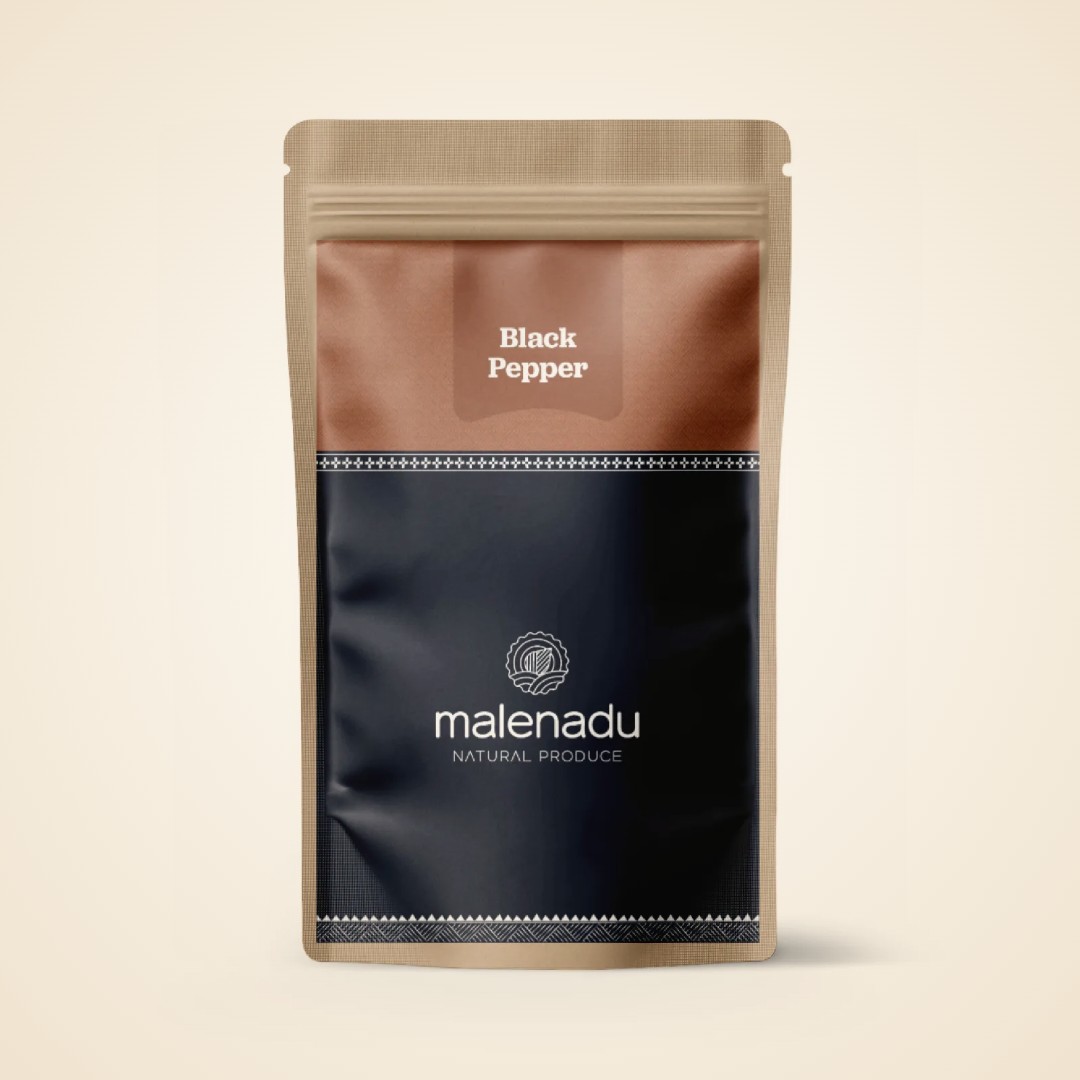
Our Black Pepper comes in after this winter harvest, sun dried in the yards of Malenadu homes. Fresh season pepper has a sharp, almost citrus smell when you crush it.
What is the areca harvest time?
On the Malenadu crop calendar, areca harvest time depends on the kind of adike (ಅಡಿಕೆ) being made. For red kempu adike, tender green nuts are cut from about August and boiled, sliced and dried. In many villages of Shivamogga and Chikkamagaluru this work runs on into the cool months. For white chali, nuts are left on the palm until fully ripe and harvested from November to February.
The CPCRI arecanut calendar says chali nuts are sun dried for about 45 days in a single layer and turned every week. Read more on our guide to areca nut farming.
Coffee picking
Coffee picking is the big cool season job on the Malenadu crop calendar for estates in Chikkamagaluru, Kodagu and Hassan. According to the Coffee Board of India, Arabica is harvested from November to January and Robusta from December to February. Ripe red cherries are picked by hand, then pulped and washed or dried whole in the sun.
Sugarcane crushing and joni bella
Winter on the Malenadu crop calendar is also the season of the aalemane (ಆಲೆಮನೆ), the village jaggery shed. Cane is crushed and the juice is boiled in a wide pan over a fire fed with dried cane waste. The thick syrup is either set into blocks or kept runny as joni bella. The season usually runs from about December to February, a month either side depending on when the cane is ready.
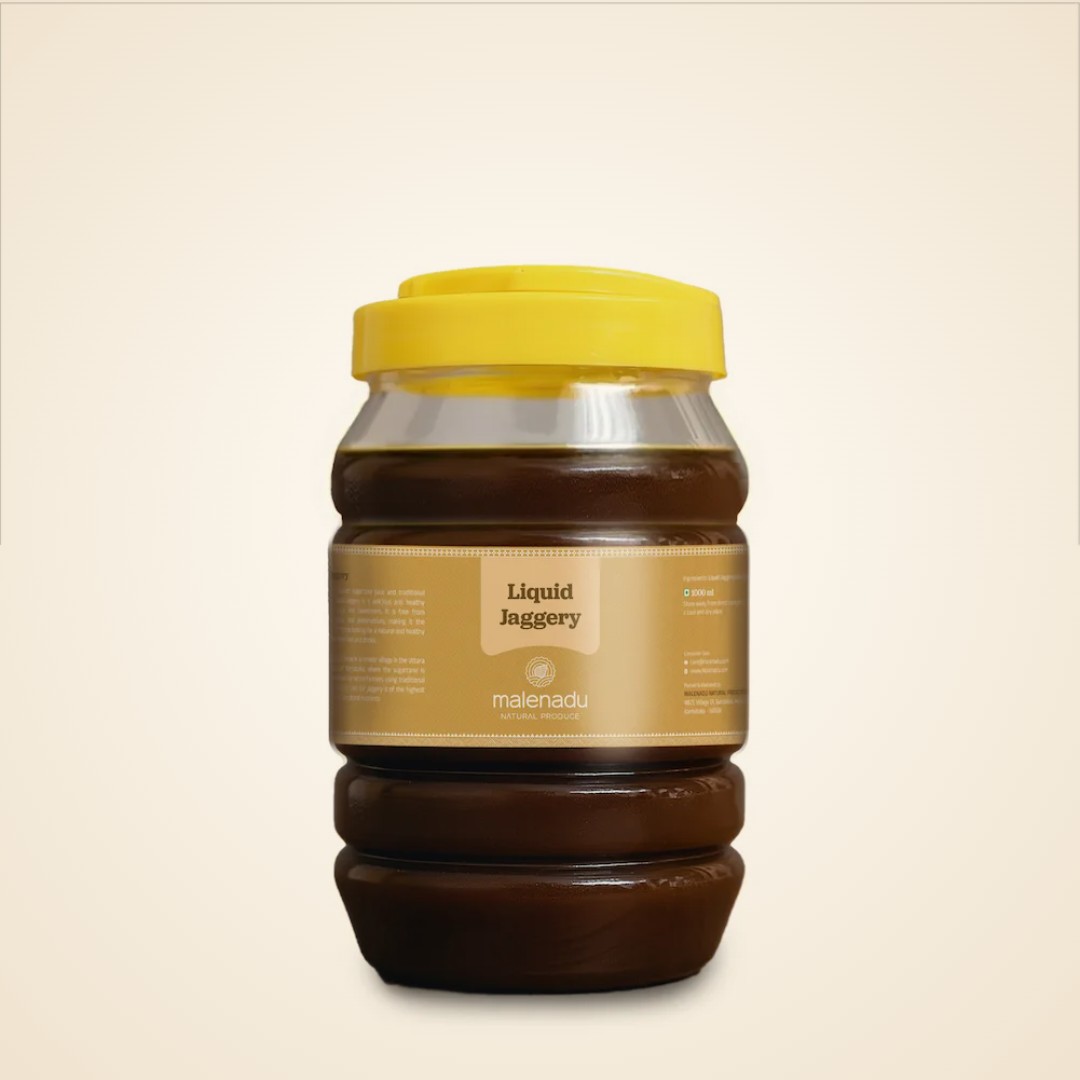
From the malenadu pantry
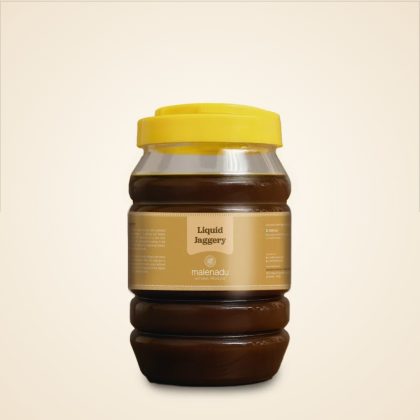
Joni bella is the runny jaggery made in the winter crushing season. Our Liquid Jaggery is the same pourable kind, lovely on dosa or rotti and in payasa.
Turmeric, paddy and the winter festivals
Turmeric planted with the first rains is ready to dig from January to March, about seven to nine months later, once the leaves turn yellow and dry. The rhizomes are boiled, dried and polished before grinding. Paddy, planted in the monsoon, is cut from about October to December.
Two festivals mark this part of the Malenadu crop calendar. Huttari, the rice harvest festival of Kodagu, falls on a full moon in late November or early December, when the first paddy stalks are cut and brought home. Makara Sankranti on 14 or 15 January is celebrated with ellu bella, a mix of sesame, jaggery, dry coconut and groundnuts shared with neighbours.
Summer: kokum season, jackfruit and mango
Summer in this Malenadu crop calendar runs from March to May and is the season of fruit. The hills are hot and sticky and the streams run low. The trees that flowered in winter now load up with kokum, jackfruit and mango.
When is kokum season?
Kokum season in Malenadu is mainly April and May, sometimes running into June in later areas. An ICAR paper in Indian Horticulture notes that kokum trees flower from December to February and the fruit is ready to harvest from April to May.
Families pick the deep purple fruits, cut them open and scoop out the seeds. The rind is then dried in the hot sun for several days, often rubbed with a little salt, until it turns dark and leathery. This is murugalu, the dried kokum that goes into saaru and curries all year. The seeds are pressed for kokum butter in some villages.
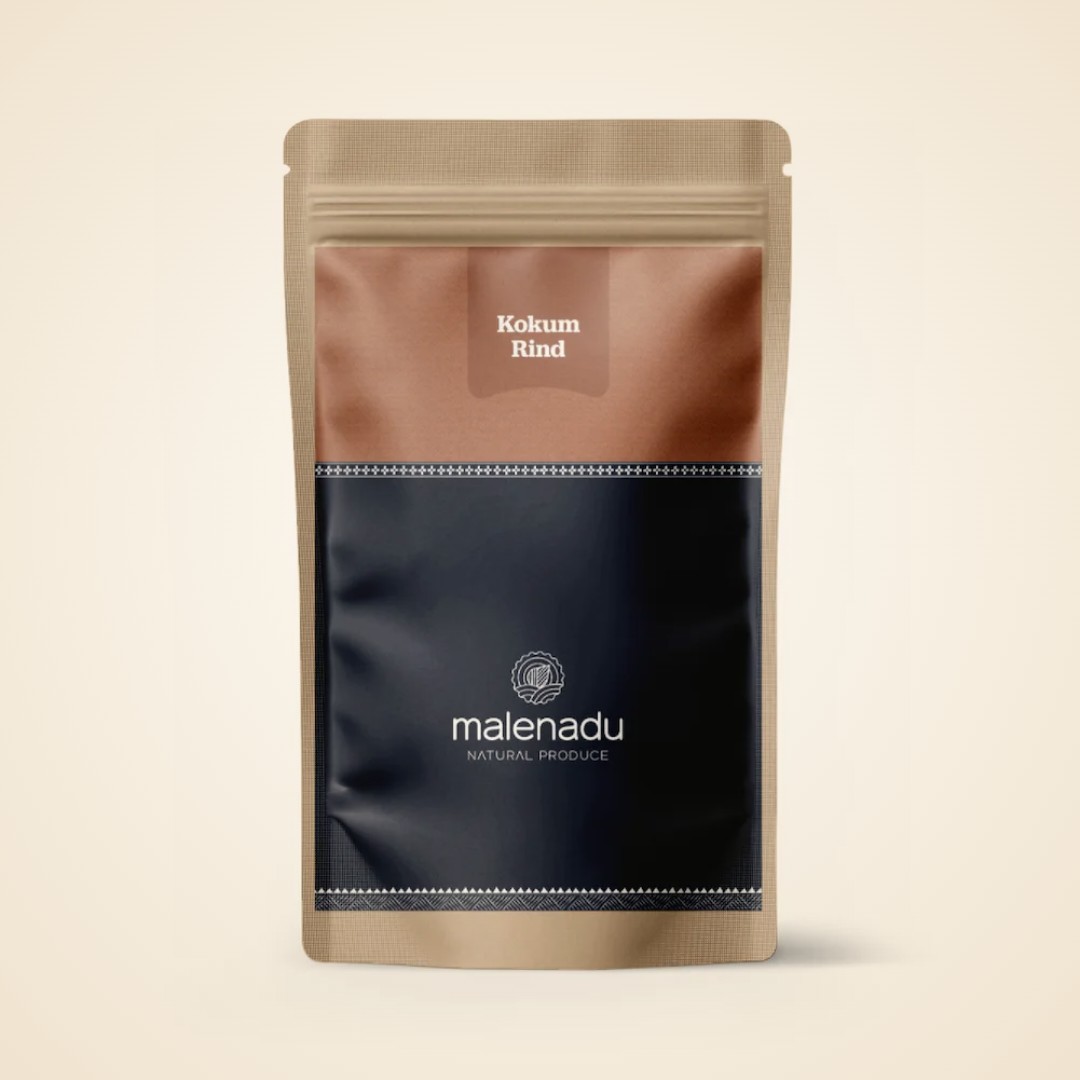
From the malenadu pantry
Our Kokum Rind is sun dried in summer straight after the kokum season, the way Malenadu families have always done it. A few pieces give saaru and fish curry a clean, gentle sourness.
If you have a packet ready, try our recipe for kokum saaru, the everyday sour rasam of hill homes.
Jackfruit season
Jackfruit season in Malenadu runs roughly from March to June, with some trees fruiting into July. Almost every farm has a few trees. Nothing is wasted. Tender fruit goes into palya and ripe fruit is eaten fresh or ground into kadubu batter. The seeds are roasted in the hearth during the rains.
Mango, honey and getting ready for rain
On the Malenadu crop calendar, mango season peaks in April and May. Before that, in March, small tender wild mangoes called appe midi are picked for the famous Malenadu pickle, which is made in big jars to last the year.
Honey is mostly taken in the dry months of the Malenadu crop calendar, from about late winter into early summer, when the forests and gardens are in flower. The monsoon is a lean time for bees, so beekeepers leave the boxes alone and let the colonies rest. Our guide to beekeeping in Malenadu explains the bees and the boxes.
Local tip
If you visit Malenadu in March or April after a summer shower, walk through a coffee estate. The white coffee blossom smells like jasmine and lasts only a few days.
May is the month of preparation on the Malenadu crop calendar. Farmers mulch the gardens, clear drains, dig pits for new plants and give areca bunches a protective spray before the rain. At home, people stock firewood, fill jars with pickles and dried kokum and check the roofs.
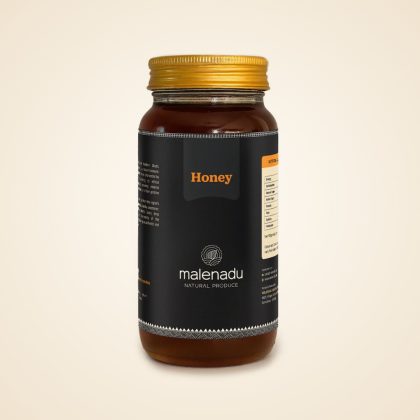
Our Honey sits with our jaggery in the natural sweeteners range.
Monsoon: paddy planting and rain food
The monsoon months of June to September are the busiest planting time on the Malenadu crop calendar. Rain arrives in early June and keeps coming, often for days without a break. The fields turn green within weeks.
- Paddy: nurseries are sown with the first rains. Seedlings are transplanted into flooded fields through June and July. Transplanting is shared work, done by groups of neighbours moving from field to field.
- Areca spraying: the CPCRI calendar advises a first Bordeaux spray against fruit rot (kole roga) before or at the onset of the monsoon and a second about 40 to 45 days later.
- New plants: pepper cuttings, areca seedlings and coffee plants go in while the soil is soft.
- Spices: pepper flowers with the first rains. Cardamom flowers through the monsoon. The first capsules are ready to pick from about August.
The monsoon kitchen is the cosiest part of the Malenadu crop calendar: warm and slow. Expect menthya tambuli (a cool, curd based fenugreek dish), pathrode (steamed colocasia leaf rolls), bamboo shoot curry, roasted jackfruit seeds and endless cups of kashaya, a spiced herbal drink often made with milk.
After the rains: cardamom and Bhoomi Hunnime
October is the short, green bridge in the Malenadu crop calendar between the monsoon and the winter harvest. The southwest monsoon withdraws and evening thunder showers come and go. The paddy fields turn from green to gold.
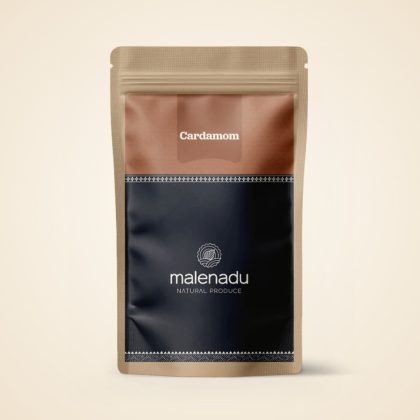
Cardamom picking reaches its peak in October and November. Pickers go round the plants every 15 to 25 days, choosing only ripe capsules. The harvest is cured in a drying room to keep its green colour. If you cook with whole spices, our green Cardamom is worth keeping in the jar.
The month brings Bhoomi Hunnime, the full moon after Navaratri, when farming families in many Malenadu villages take food to their fields and offer it to Bhoomi Tayi, the earth, as the paddy fills with grain. Deepavali often falls in late October or early November, a time for sweets made with ghee and jaggery.
Local tip
Buying spices for the year? Use the Malenadu crop calendar: pick up pepper and turmeric in spring, after the winter harvest is dried and cleaned. Buy kokum from June, once the summer drying is done.
Using the Malenadu crop calendar in your kitchen
The easiest way to use this Malenadu crop calendar is to shop with the seasons: pepper and turmeric powder after winter, kokum after summer and joni bella from the winter crushing. Browse the full spices range for the rest. For the full story of each crop, the areca and pepper guides linked above go deeper.
Bring Malenadu home
Grown and made by Malenadu farmer families, packed by malenadu, a farmer owned producer company in Honnavar.
-
8% OFF
Black Pepper
Price range: ₹165 through ₹299 -
17% OFF
Kokum Rind
Original price was: ₹240.₹200Current price is: ₹200. -
14% OFF
Liquid Jaggery
Original price was: ₹349.₹299Current price is: ₹299. -
29% OFF
Honey
Price range: ₹249 through ₹449 -
19% OFF
Cardamom
Price range: ₹130 through ₹330 -
13% OFF
Turmeric Powder
Price range: ₹70 through ₹120
Frequently asked questions about the Malenadu crop calendar
What is a Malenadu crop calendar?
A Malenadu crop calendar is a month by month guide to farming in the Western Ghats hills of Karnataka. It shows what is harvested, planted and cooked in each season.
What is the main harvest season in Malenadu?
On the Malenadu crop calendar the main harvest season is winter, from November to February. Pepper, coffee, ripe areca, paddy, turmeric and sugarcane for jaggery are all harvested in these months.
When is pepper harvested in Karnataka?
In Malenadu, pepper is usually picked from about December to February. Lower, warmer areas start earlier and higher estates may go on into March.
When is areca harvested?
Tender nuts for red kempu adike are harvested from about August. Ripe nuts for white chali come from November to February. Timings vary between villages.
When is kokum season?
Kokum fruit ripens mainly in April and May, sometimes into June. The rind is sun dried right away to make dried kokum.
When is jackfruit season in Karnataka?
Jackfruit season in Malenadu runs roughly from March to June, with some trees fruiting into July.
When does the monsoon start in Malenadu?
The southwest monsoon usually reaches the hills in early June and stays until about September, with showers into October.
What is the best month to visit Malenadu farms?
December and January are good for seeing pepper, coffee and areca harvests in cool weather. Visit in April or May for kokum and jackfruit.
Explore more of Malenadu
Malenadu FarmingMalenadu CropsWhat grows in Karnataka’s rain hills and why it grows
Malenadu FarmingMalenadu CoffeeShade grown, hand picked and sun dried in the hills
Malenadu FarmingBeekeeping in MalenaduBee boxes, wild hives and the people who tend them
Malenadu FarmingAreca Nut Farming in MalenaduAdike, the palm that shapes every Malenadu village
Malenadu FarmingMalenadu GiddaThe small, tough hill cow of Karnataka’s Western Ghats
Malenadu FarmingPepper and Cardamom FarmingHow the two great spices of the hills are grown
Malenadu CultureMalenadu CulturePeople, arts and old ways of Karnataka’s rain hills
Malenadu FoodMalenadu FoodRice, kokum, pepper and joni bella from the hills
Start hereMalenadu in KarnatakaWhere Malenadu is, what the name means