
Malenadu Farming
Malenadu coffee is the arabica and robusta grown under forest shade in the hills of Chikkamagaluru, Kodagu and Hassan, where coffee first came to India. This guide covers its history, the main estate belts, how arabica and robusta differ, the blossom and harvest seasons and the pepper vines and cardamom clumps that share every estate.
On this page
What is Malenadu coffee?
Malenadu coffee is coffee grown in the wet, forested hills of the Western Ghats in Karnataka, mostly in Chikkamagaluru, Kodagu and Hassan districts. It is grown under tall shade trees, picked by hand and dried in the sun. In Kannada it is simply kaafi (ಕಾಫಿ) and the estate is the kaafi thota.
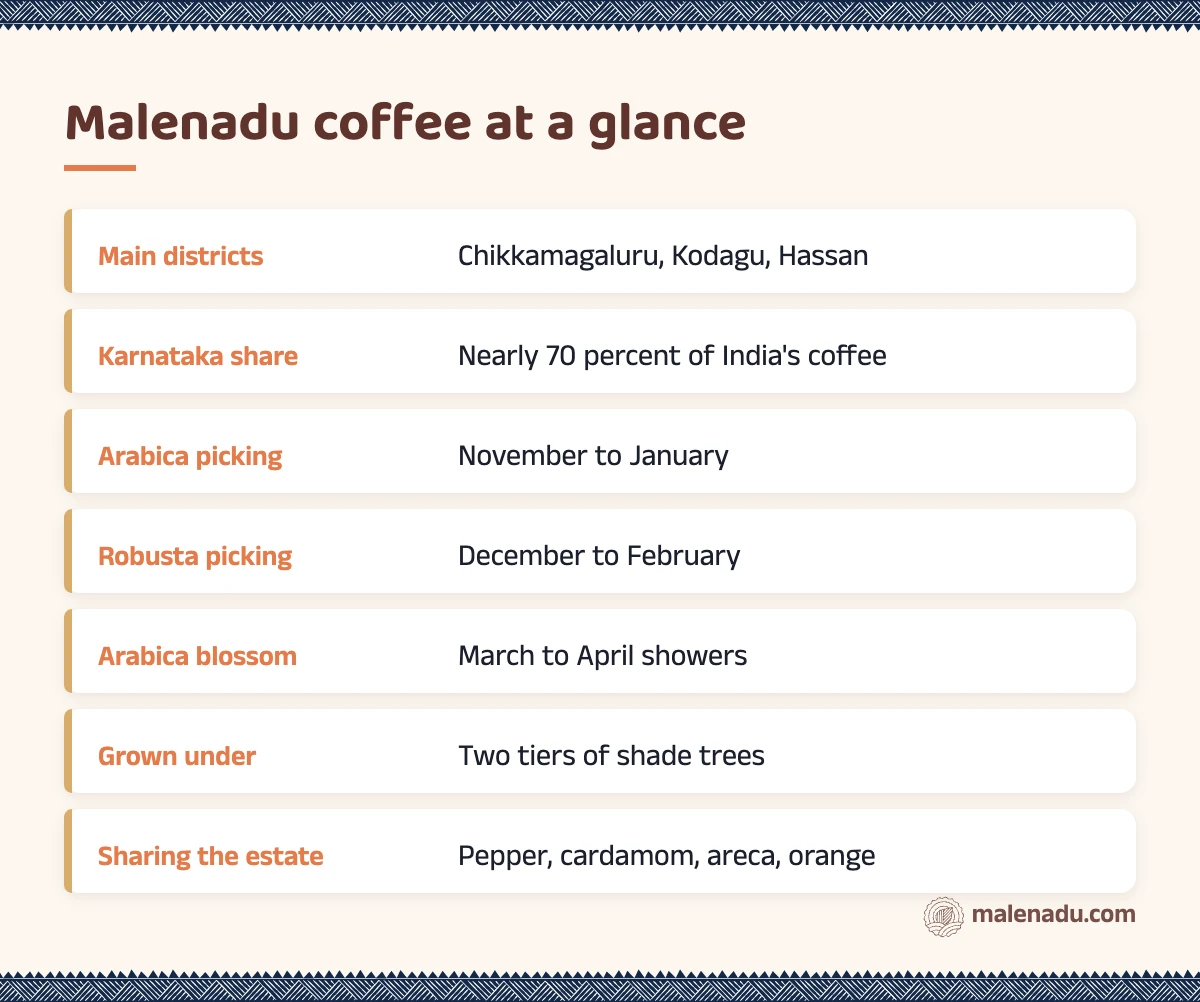
Karnataka is by far India’s biggest coffee state. The Coffee Board’s forecast for 2025-26 puts Karnataka at about 2.80 lakh tonnes out of India’s 4.03 lakh tonnes, nearly 70 percent of the country’s crop. Kodagu alone was put at about 1.30 lakh tonnes, Chikkamagaluru at 1.04 lakh tonnes and Hassan at about 45,000 tonnes.
So when people say “Indian coffee”, most of the time they mean Malenadu coffee. Our page on the districts and taluks of Malenadu shows where these three coffee districts sit in the wider hill country.
A forest crop, not a field crop
A Malenadu coffee estate does not look like a farm at first. You walk under tall trees, with coffee bushes in the half light below and pepper vines climbing the trunks. That mix of trees, coffee and spices sets Malenadu coffee apart from coffee grown in open sun.
Paddy takes the valley floor, the areca garden takes the lower slopes and Malenadu coffee takes the higher, cooler land under forest. Our guide to the crops of the Malenadu hills explains these layers.
Baba Budangiri coffee history: how did coffee come to India?
The Baba Budangiri coffee history begins with a story told all over Malenadu: a Sufi saint called Baba Budan carried seven coffee seeds home from Mocha in Yemen and planted them in the hills of Chikkamagaluru. The Coffee Board’s own account dates this to around 1600 AD. The hills still carry his name and a shrine linked to him.
The story people tell goes like this. Coffee beans were not allowed out of Arabia unless they were roasted or boiled, so nobody else could grow them. Baba Budan is said to have hidden seven seeds on his way back from the Haj pilgrimage.
From seven seeds to estates
For a long time coffee stayed a garden plant around the hills. The Coffee Board says commercial plantations began in the 18th century. From these hills coffee spread across Chikkamagaluru and on to Hassan and Kodagu, which became the three big homes of Malenadu coffee.
The Baba Budangiri range is also home to Mullayanagiri, Karnataka’s highest peak. If you trek there, you walk through the very hills where the Baba Budangiri coffee history started. See our guide to treks and peaks in these hills for routes.
The Coffee Board and the research station at Balehonnur
The Coffee Board was set up under the Coffee Act of 1942 and has its head office in Bengaluru. Its main research centre sits in the heart of Malenadu coffee country.
The Central Coffee Research Institute at Balehonnur in Chikkamagaluru district began in 1925 as the Mysore Coffee Experimental Station. The Coffee Board took it over in 1946. It has released 16 coffee varieties, 13 arabica and 3 robusta, including Chandragiri arabica in 2007, which tolerates the known races of leaf rust. A regional station at Chettalli in Kodagu has worked on coffee since 1946.
Where are the coffee plantations in Karnataka?
The coffee plantations in Karnataka sit in a belt along the Western Ghats, mainly in Chikkamagaluru, Kodagu and Hassan. The Coffee Board divides India into 13 coffee regions. Four of the Karnataka ones are Malenadu coffee regions: Bababudangiris, Chikmagalur, Coorg and Manjarabad.
The Coffee Board’s region profiles give these figures:
| Region | Height above sea level | Rain a year | Coffee grown | Intercrops listed |
|---|---|---|---|---|
| Bababudangiris | 1,000 to 1,500 m | 1,750 to 2,200 mm | Arabica | Pepper, cardamom, areca |
| Chikmagalur | 700 to 1,200 m | 1,000 to 4,500 mm | Arabica and robusta | Pepper, cardamom, areca, orange, vanilla |
| Coorg | 750 to 1,100 m | 1,000 to 2,500 mm | Arabica and robusta | Pepper, cardamom, orange, banana, areca |
| Manjarabad (Hassan) | 900 to 1,100 m | 1,000 to 2,500 mm | Arabica and robusta | Pepper, cardamom, orange, areca, banana |
Look at the last column. Pepper and cardamom are listed for every one of these Malenadu coffee regions. That is the honest link between the coffee estate and the spices we sell.
Chikmagalur coffee
Chikmagalur coffee is grown across Chikkamagaluru district, from the high Baba Budangiri hills north of Chikkamagaluru town to the estates around Mudigere, Koppa and Balehonnur. The district grows both arabica and robusta in large amounts. Rainfall varies hugely across the district, from about 1,000 mm to around 4,500 mm a year depending on how close an estate is to the ghat edge.
Coorg coffee
Coorg coffee comes from Kodagu, the biggest coffee district in India by output. Robusta covers far more of Kodagu than arabica, which is why the district’s tonnage is so high. Many Kodava families have grown Malenadu coffee for generations.
Hassan and Sakleshpur
The Manjarabad region is named after Manjarabad near Sakleshpur in Hassan district. It is mostly arabica country, on gentle slopes cut by small streams. Sakleshpur is also a big cardamom area, so here the two crops often share the same hillside.
Arabica and robusta: what is the difference?
Arabica and robusta are two different species of coffee and Malenadu coffee estates grow both. Arabica is grown higher up, needs more care and more shade and gives a milder, more aromatic cup. Robusta grows lower and warmer, is hardier and has about twice the caffeine of arabica.
| Arabica | Robusta | |
|---|---|---|
| Where it grows | Higher, cooler estates | Lower, warmer estates |
| Shade | Needs more shade | Takes more light |
| Blossom showers | March to April | February to March |
| Picking season | November to January | December to February |
| Caffeine | Lower | About twice arabica |
| Common varieties | S.795, Sln.9, Cauvery, Chandragiri | S.274, CxR |
| Cup | Mild, aromatic, bright | Strong, full bodied |
Arabica is the more delicate of the two. The Coffee Board notes that it suffers from pests and diseases like the white stem borer and leaf rust and suits larger holdings that can give it more care. Robusta is often the choice of small growers in warmer valleys. Between them, arabica and robusta give India a wide range of coffees from one stretch of hills.
Why is Malenadu coffee grown under shade?
Malenadu coffee is grown under shade because coffee is a forest plant that likes filtered light and because shade protects the soil and the bushes in this heavy rain country. Indian coffee is grown under two layers of shade. Tall evergreen forest trees form the upper roof and planted trees fill the lower layer.
Fallen leaves feed the soil and hold it in place during the monsoon. The canopy keeps the bushes cool and shelters birds and small animals. The Coffee Board counts dozens of kinds of shade tree in Indian estates, many of them native to the Western Ghats.
Silver oak and mixed shade
Many estates planted silver oak, a fast growing tree that gives light shade and a straight trunk. Coffee scientists now advise mixed shade instead. The research institute’s grower guide links pure silver oak shade to more white stem borer and black rot in arabica.
What else grows on a coffee estate?
Every Malenadu coffee estate is a mixed garden. The shade trees carry pepper vines, the damp hollows hold cardamom clumps and the edges often have areca, orange or banana. These crops bring in money at different times of the year, so a bad coffee season does not ruin the family.
Pepper is the most common partner. Rooted cuttings are planted at the foot of a shade tree and the vine climbs it over the years. Pepper picking comes in the same cool season as coffee picking, so estate workers move from one crop to the other. Our guide to how pepper and cardamom are grown follows the vine from planting to drying.
From the malenadu pantry
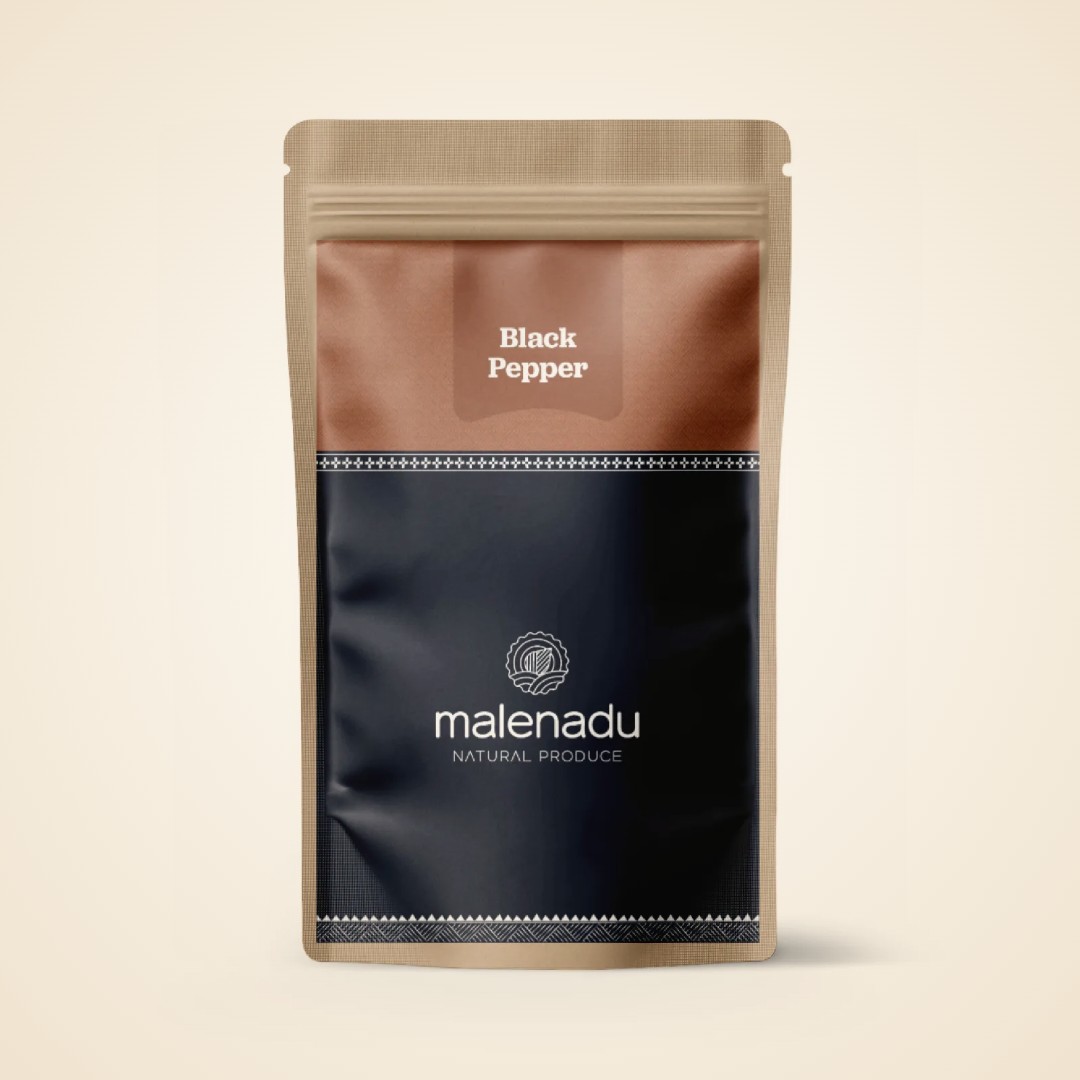
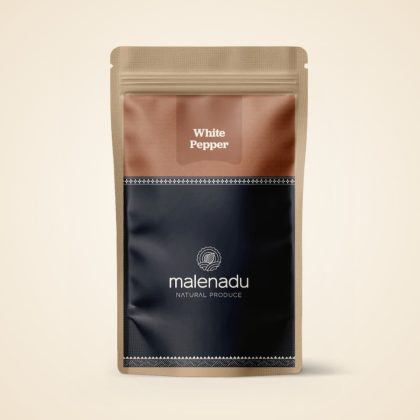
Our Black Pepper is Malenadu pepper from vines trained up living trees, the same way pepper grows on coffee estates. It is picked when the spikes start to turn, then threshed and sun dried.
Cardamom grows lower down, in the wettest and shadiest corners of the estate. It likes the same filtered light as coffee and needs constant moisture. In Sakleshpur and parts of Chikkamagaluru and Kodagu, coffee and cardamom have shared the same slopes for generations.
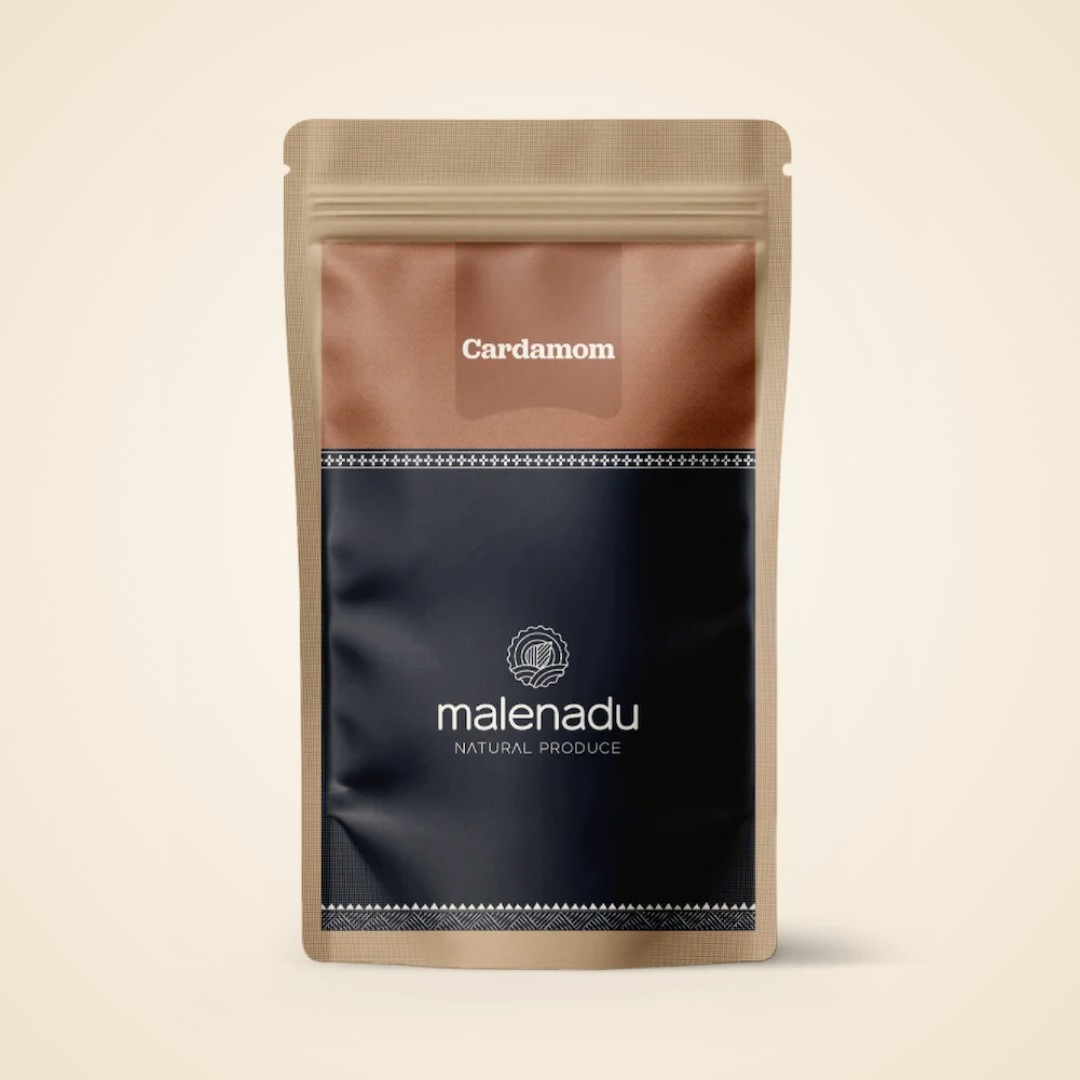
From the malenadu pantry
Our Cardamom comes from shaded Malenadu gardens, the same kind of cool, wet slopes where coffee grows. The green pods are whole, with a little natural variation in shade from pod to pod.
The Malenadu coffee year: from blossom to harvest
The Malenadu coffee year starts in the dry heat of March, when a good shower makes the bushes flower all at once. For arabica the Coffee Board names a blossom shower of about 25 to 40 mm in March to April. Robusta flowers a little earlier, with showers in February to March.
Within days the estate turns white. Coffee blossom smells a lot like jasmine and hangs over the whole valley, but it lasts only a few days. Malenadu coffee planters talk about blossom showers the way paddy farmers talk about the monsoon.
Backing showers and the long wait
A second rain, called the backing shower, is just as important. About 50 to 75 mm, well spread out, helps the young fruit set. If it fails, the Malenadu coffee crop falls.
After that comes the monsoon from June to September, when estates get most of their year’s rain. Our guide to the rainy season in these hills explains how heavy it gets. The green berries swell slowly through the rains and turn red only by the end of the year.
Bees on the coffee blossom
The blossom hums with bees for those few days. Many estates and nearby villages keep bee boxes and wild bees visit too. Our guide to beekeeping in Malenadu explains how hill families keep bees and why they are welcome on farms.
Local tip
If you want to see a Malenadu coffee estate in flower, plan a trip for March or April and keep your dates loose. The blossom follows the first good shower, not the calendar, so ask a homestay to call you when the rain comes.
When is the coffee harvest season in Karnataka?
The coffee harvest season in Karnataka runs from November to January for arabica and from December to February for robusta, according to the Coffee Board. Higher, cooler estates finish a little later. These are the busiest weeks on any Malenadu coffee estate.
Picking is done by hand. Pickers pull ripe red cherries into baskets, coming back to each bush several times as more ripen. Mats are laid under the bushes to catch fallen fruit, because fruit left on the ground grows mould and helps the berry borer. At the end of the season every last cherry is stripped off for the same reason.
Washed coffee and cherry coffee
Malenadu coffee is processed in two main ways and the method decides its name in the trade:
- Washed or parchment coffee. The red skin is removed in a pulper, the beans are fermented for a day or so and washed, then dried in their papery shell, the parchment. Washed arabica is sold as Plantation coffee.
- Natural or cherry coffee. The whole fruit is dried in the sun, skin and all. This is simpler and gives a heavier, fruitier cup.
Drying on the yard
Drying is where good Malenadu coffee is made or spoilt. A grower guide from the Central Coffee Research Institute says parchment is dried for about 7 to 10 days and cherry for about 10 to 12 days, on clean cement or clay yards. Workers rake the beans several times a day and cover them at night or when rain threatens.
Unseasonal showers in December or January can soak drying coffee and spoil a year’s work. The Malenadu crop calendar shows how the coffee harvest overlaps with pepper, areca and paddy, which is why labour runs short in these months.
Which Malenadu coffees have a GI tag?
Three Malenadu coffees hold a Geographical Indication (GI) tag: Coorg Arabica, Chikmagalur Arabica and Bababudangiris Arabica. The Government of India granted them in 2019, along with Wayanad Robusta from Kerala and Araku Valley Arabica from Andhra Pradesh. A GI tag says the coffee’s quality comes from where it is grown.
- Coorg Arabica is arabica grown in Kodagu district.
- Chikmagalur Arabica is arabica grown in Chikkamagaluru district.
- Bababudangiris Arabica comes from the central part of Chikkamagaluru district, the birthplace of coffee in India. It is selectively hand picked and processed by natural fermentation. It is called high grown coffee, because the cherries ripen slowly in the mild hill climate.
Specialty coffees from these hills
Mysore Nuggets is a Coffee Board grade of large washed arabica beans from Chikmagalur, Coorg, Bababudangiris and two other hill regions. Monsooned Malabar, made on the west coast by exposing beans to the damp monsoon winds, holds its own GI tag.
How do Malenadu homes drink their coffee?
In Malenadu homes coffee means filter coffee, kaapi, made with a strong decoction and boiled milk and drunk from a steel tumbler. The day starts with it and guests are never let go without it. Many families buy a coffee and chicory blend, which makes the decoction thicker and darker.
Ground coffee goes in the top half of a two part steel or brass filter and hot water is poured over it. The thick decoction drips down slowly, then is mixed with hot milk and sugar and poured between tumbler and dabara till frothy.
Bellada kaafi and the evening plate
Some older Malenadu homes still sweeten coffee with jaggery instead of sugar, called bellada kaafi (ಬೆಲ್ಲದ ಕಾಫಿ). On estates the evening Malenadu coffee usually comes with something small and sweet.
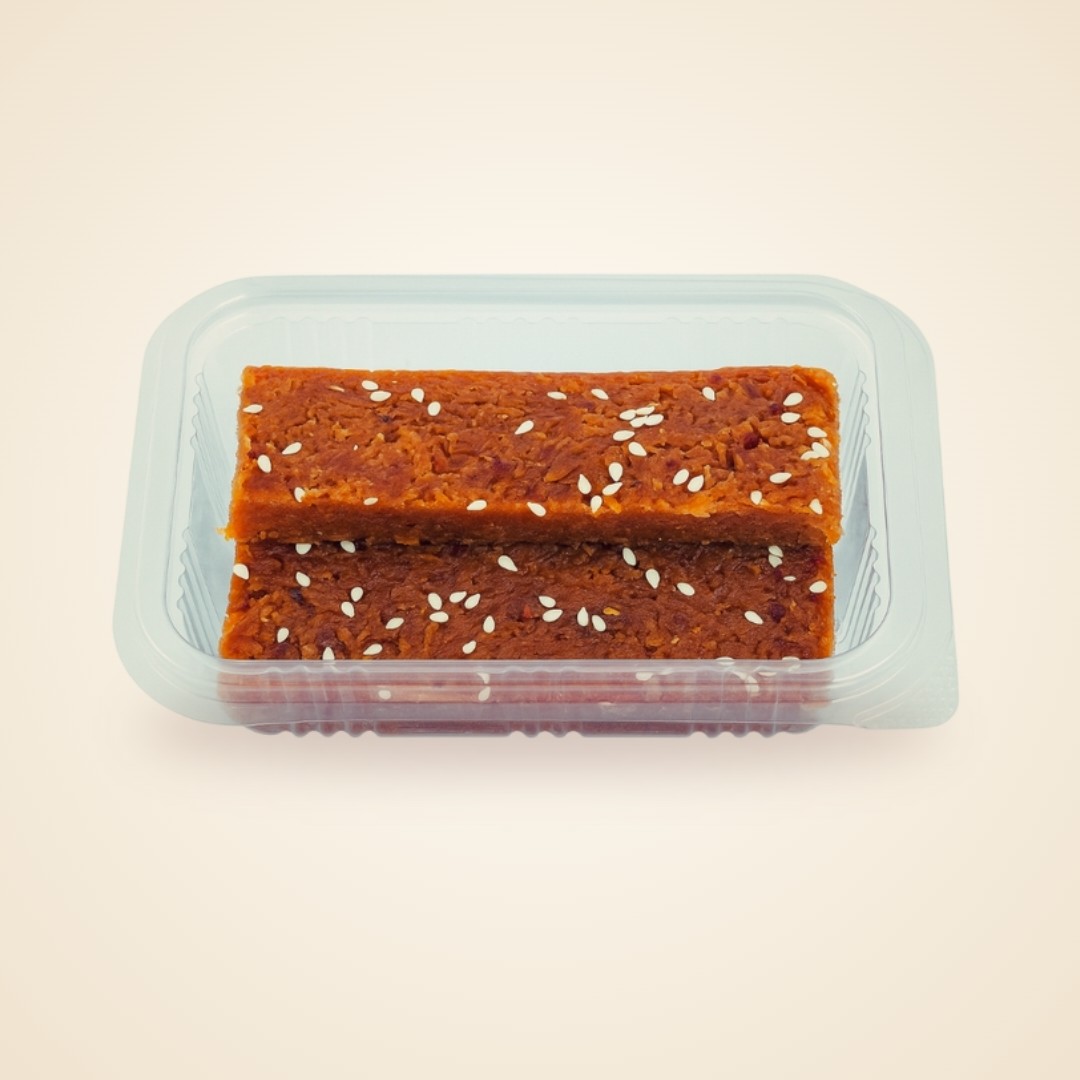
From the malenadu pantry
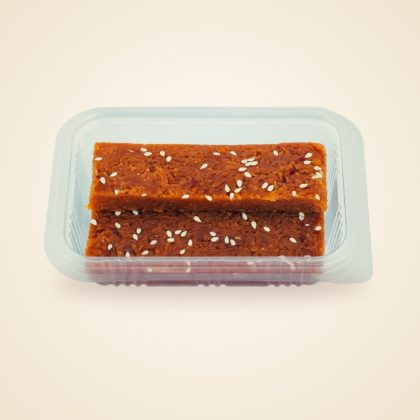
Our Coconut Jaggery Burfi is a traditional sweet of grated coconut and jaggery. A piece with a tumbler of evening coffee is a common pairing in hill homes.
Why we do not sell coffee
At malenadu we do not sell coffee. What we bring down from these hills is what grows beside it: Malenadu black pepper, green cardamom and other spices from these hills. If you love Malenadu coffee, those are its closest cousins.
Where to go next
To see how coffee fits with areca, pepper and paddy, read our guide to areca nut farming and our wider guide to Malenadu crops. For where the coffee hills are and what to see there, start with Malenadu in Karnataka. To taste the spices that grow alongside Malenadu coffee, browse our spices from Malenadu farms.
Bring Malenadu home
Grown and made by Malenadu farmer families, packed by malenadu, a farmer owned producer company in Honnavar.


Frequently asked questions about Malenadu coffee
Where is Malenadu coffee grown?
Malenadu coffee is grown mainly in Chikkamagaluru, Kodagu and Hassan districts of Karnataka, in the Western Ghats. It is grown under shade trees, often with pepper and cardamom.
Who brought coffee to India?
The story told in Chikkamagaluru is that the Sufi saint Baba Budan brought seven coffee seeds from Yemen and planted them in the Baba Budangiri hills. The Coffee Board dates this to around 1600 AD.
Which is better, arabica or robusta?
Neither is simply better. Arabica is milder and more aromatic, while robusta is stronger with about twice the caffeine. Many filter coffee blends use some of each.
When is the coffee harvest season in Karnataka?
Arabica is picked from November to January and robusta from December to February. Higher estates may finish a little later.
When does coffee blossom in Chikmagalur and Coorg?
Arabica usually flowers after the blossom showers of March to April and robusta after showers in February to March. The flowers last only a few days.
Which Karnataka coffees have a GI tag?
Coorg Arabica, Chikmagalur Arabica and Bababudangiris Arabica got the GI tag in 2019. Monsooned Malabar Robusta also has a GI tag.
Why is coffee in Karnataka grown under shade?
Coffee is a forest plant that likes filtered light. Shade trees protect the soil in heavy rain, keep the bushes cool and give support to pepper vines.
Explore more of Malenadu
Malenadu FarmingMalenadu CropsWhat grows in Karnataka’s rain hills and why it grows
Malenadu FarmingAreca Nut Farming in MalenaduAdike, the palm that shapes every Malenadu village
Malenadu FarmingMalenadu Crop CalendarWhat grows, ripens and cooks in the hills, month by month
Malenadu FarmingMalenadu GiddaThe small, tough hill cow of Karnataka’s Western Ghats
Malenadu FarmingPepper and Cardamom FarmingHow the two great spices of the hills are grown
Malenadu FarmingBeekeeping in MalenaduBee boxes, wild hives and the people who tend them
Malenadu CultureMalenadu CulturePeople, arts and old ways of Karnataka’s rain hills
Malenadu FoodMalenadu FoodRice, kokum, pepper and joni bella from the hills
Start hereMalenadu in KarnatakaWhere Malenadu is, what the name means