
Malenadu Food
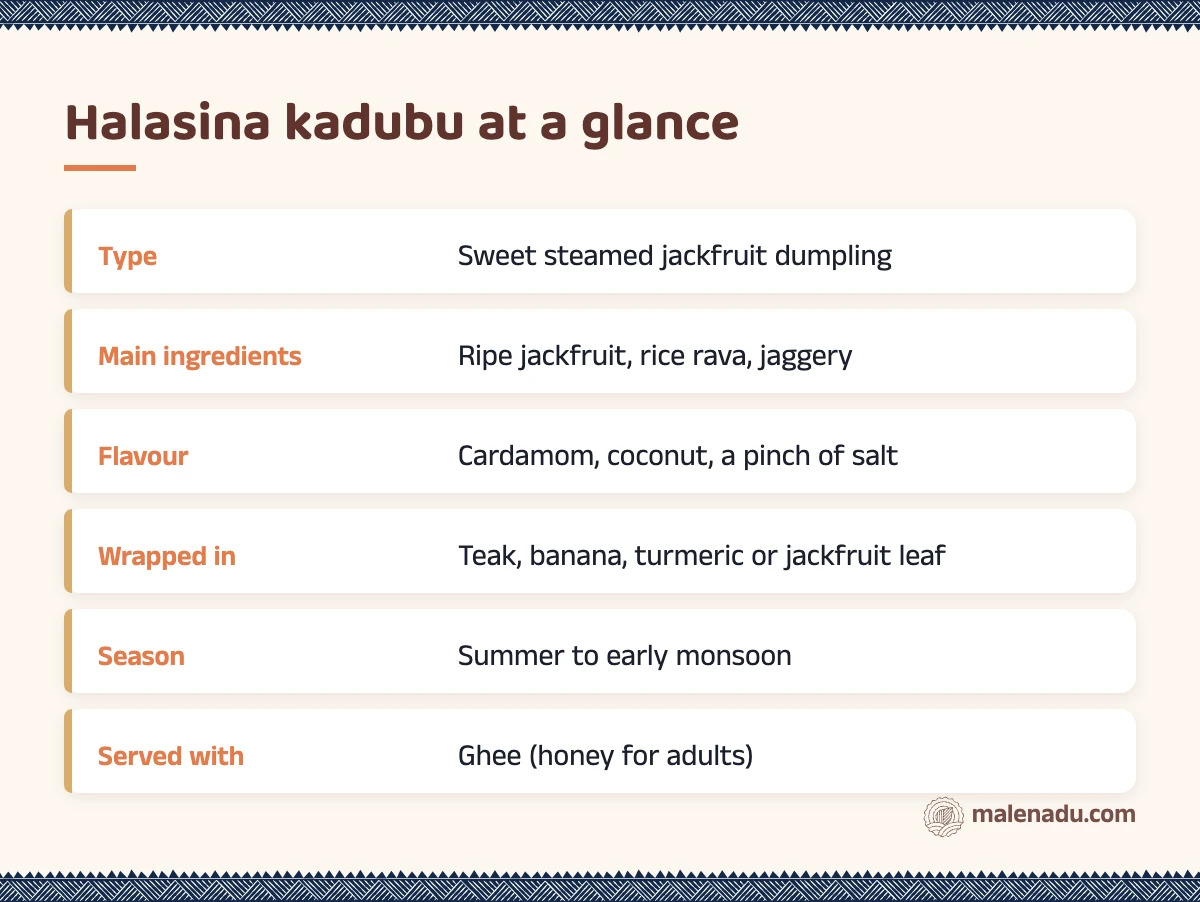
Halasina kadubu (ಹಲಸಿನ ಕಡುಬು) is a sweet steamed dumpling made from ripe jackfruit pulp, rice rava, jaggery, coconut and cardamom, poured into leaves and steamed until set. It is the dish every Malenadu home makes when the jackfruit tree ripens. Here is how to pick the fruit, fold the leaves and steam it right.
On this page
What is halasina kadubu?
Halasina kadubu is a soft, sweet rice dumpling coloured golden by ripe jackfruit and steamed inside a leaf. “Halasu” (ಹಲಸು) is jackfruit in Kannada, “halasina” means “of jackfruit” and “kadubu” is a steamed rice dumpling or cake. The full name, halasina hannina kadubu, means “ripe jackfruit kadubu”, to tell it apart from dishes made with raw jackfruit.
The batter is never fermented. Ripe jackfruit bulbs are ground smooth, mixed with jaggery, coconut, cardamom and rice rava, then left to rest so the rava soaks up the pulp. It is poured into leaf cups or folded inside leaves and steamed. The result is dense, moist and fragrant, sweet enough to eat on its own but not as sweet as a mithai.
Along the coast the same dish has other names. Tulu homes call it gatti and Konkani homes call it muddo. The leaf used changes from house to house. In Malenadu the leaf is whatever grows nearest the kitchen.
Jackfruit kadubu or jackfruit idli: are they the same?
Yes. Jackfruit kadubu and jackfruit idli are two names for the same sweet. “Idli” is used on recipe sites and in Bengaluru because more people know the word, while families in the hills simply say halasina kadubu. Some cooks steam the batter in idli plates instead of leaves, which is where the idli name comes from, but the leaf gives a flavour an idli plate cannot.
When is jackfruit season in Malenadu?
Jackfruit season in Malenadu runs roughly from March to July, depending on the tree, the altitude and the year. The first fruits are picked raw in the early hot months for palya (stir fry) and happala (papad). Ripe fruit comes as the summer peaks. The last ones fall with the early monsoon rain. An ICAR horticulture note on the KIRAN portal says jackfruit matures towards the end of summer, in June.
That makes halasina kadubu a summer and early monsoon dish. The jackfruit season Malenadu families wait for is short and generous: one tree can give more fruit than a house can eat, so kadubu is one of many ways to use it up. To see how jackfruit fits around areca, pepper and paddy through the year, read our Malenadu crop calendar.
Raw jackfruit first, ripe jackfruit later
In early season, the jackfruit is cut green. Raw bulbs go into palya and saaru. The seeds are saved. Ripe fruit for halasina kadubu, payasa and dose comes a few weeks later, once the fruit smells sweet from across the yard.
How to choose a ripe jackfruit for halasina kadubu
For halasina kadubu, pick a fully ripe jackfruit with a strong sweet smell, skin that gives a little when pressed and spikes that have flattened and spread apart. An unripe fruit is hard, green and has almost no smell. An overripe one smells of alcohol and has dark, wet patches on the skin.
Jackfruit comes in two broad kinds. The difference matters for kadubu:
| Kind | Bulbs | Best use |
|---|---|---|
| Firm type | crisp, thick, dry to the touch | eating fresh, chips, kadubu after grinding well |
| Soft type | soft, juicy, slightly stringy, very sweet | kadubu, dose and payasa |
In Kerala the two are called varikka (firm) and koozha (soft). In coastal and Malenadu Karnataka you will hear local names like bakke and imba, but the names change from village to village, so go by touch rather than by name. Many families save the soft, syrupy fruit for kadubu because it grinds into a smooth pulp with no water.
Cutting a jackfruit is sticky work because of its white latex. Rub coconut oil on your hands, the knife and the cutting board before you start. Lay newspaper on the floor. Remove the bulbs and pull out the seeds with the thin skin around each one. Keep the seeds for roasting or saaru.
From the malenadu pantry
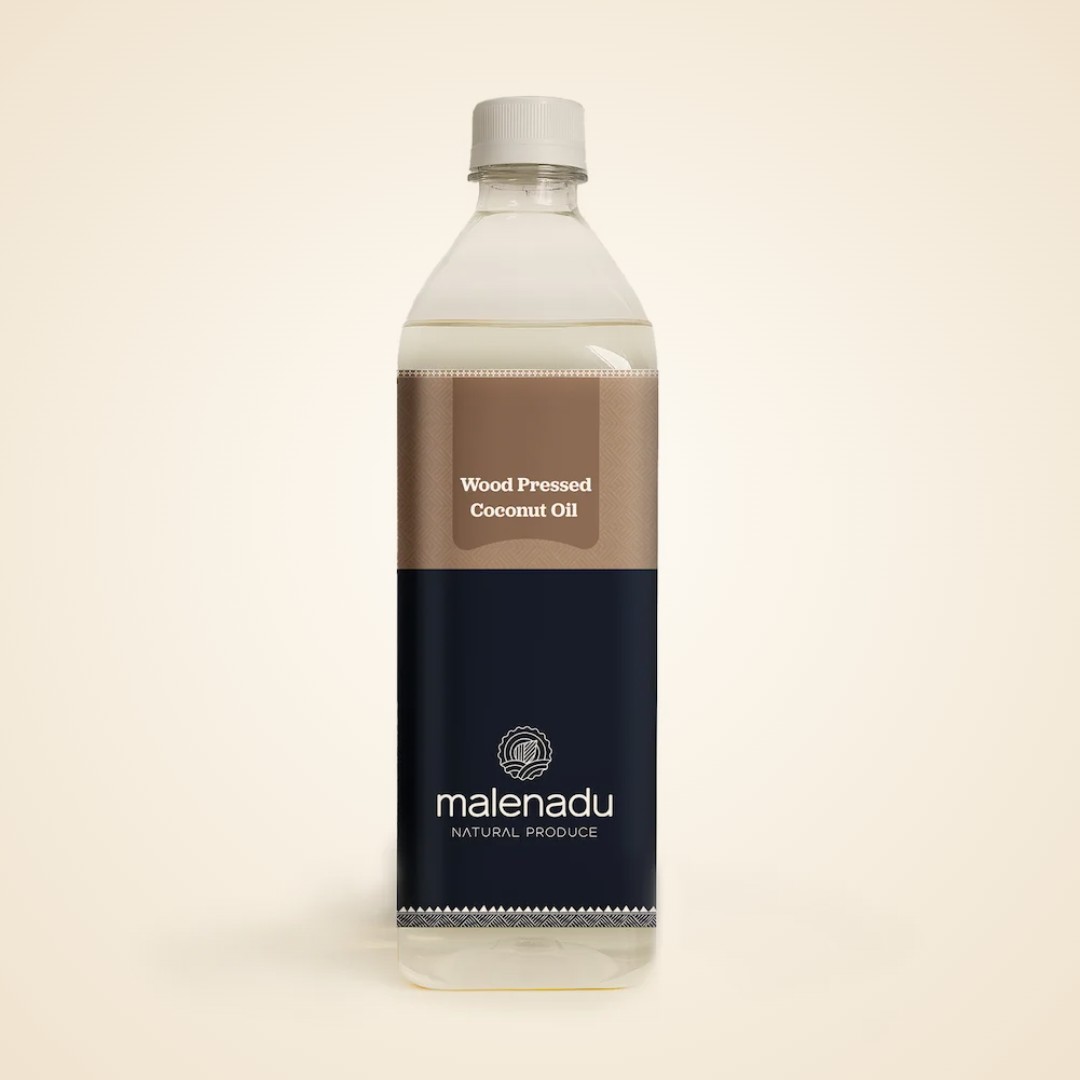
Rub a little malenadu Wood Pressed Coconut Oil on your palms and knife before cutting a jackfruit. The latex wipes off easily. The same oil, pressed from sun dried copra in a wooden ghani, greases the steaming plates.
How to store jackfruit pulp for later
Ripe jackfruit pulp keeps for two days in the fridge and for a few months in the freezer. Since one jackfruit gives far more pulp than one batch of kadubu needs, most homes store some for later.
- Fridge. Keep deseeded bulbs or ground pulp in a closed steel or glass box for up to two days. The smell gets stronger, so cover it well.
- Freezer. Grind the bulbs without water and freeze in two cup portions in zip bags, laid flat. Thaw overnight in the fridge and use as fresh.
- Cooked with jaggery. Cook the pulp with jaggery on low heat, stirring, until it turns dark and thick and leaves the sides of the pan. This jaggery preserve keeps much longer than raw pulp in a clean dry jar in the fridge. A few spoons stirred into rice rava give you halasina kadubu out of season.
Local tip
Freeze the pulp in exactly two cup portions. That is one batch of halasina kadubu, so you never thaw more than you need.
Which leaves are used for halasina kadubu?
Halasina kadubu is steamed in teak, banana, turmeric or jackfruit leaves. Each one gives a slightly different smell and colour. The leaf is not just a wrapper. It perfumes the batter while it steams and keeps each kadubu moist.
| Leaf | How it is used | What it adds |
|---|---|---|
| Teak leaf (tegada ele) | batter spread on one half, leaf folded over | a reddish stain on the outside and an earthy smell |
| Banana leaf (bale ele) | cut into squares, softened over a flame, folded | mild taste, easiest to find in cities |
| Turmeric leaf (arishina ele) | batter spread on the leaf, folded lengthwise | a strong, sweet perfume |
| Jackfruit leaf cups (kotte) | leaves pinned into a cup, batter poured in | a gentle green smell and a neat shape |
Kotte are cups made by pinning jackfruit leaves together with thin sticks cut from coconut leaf ribs. Karnataka Tourism describes kadubu cooked in cubical cups made by stitching jackfruit leaves together. The same kotte work just as well for the sweet jackfruit batter. If you have no leaves at all, greased idli plates or small steel bowls will do.
Wash every leaf, wipe it dry and trim the hard stems. Teak and turmeric leaves can be used straight. Banana leaves crack less if you pass them over a low flame for a few seconds until they turn glossy.
Halasina kadubu recipe: step by step
This halasina kadubu recipe makes 12 to 15 pieces, enough for four or five people. The batter takes 10 minutes to mix and 30 minutes to rest, then it steams for about half an hour. Taste the pulp first, because the sweetness of jackfruit changes a lot from tree to tree.
Recipe card
Halasina Kadubu
Sweet Malenadu jackfruit dumplings made with ripe jackfruit pulp, rice rava, jaggery, coconut and cardamom, steamed in leaves.
Ingredients
- 2 cups ripe jackfruit pulp (from about 25 to 30 deseeded bulbs, ground without water)
- 1 cup fine rice rava (idli rava), about 170 g
- 1/3 to 1/2 cup liquid jaggery (joni bella) or 1/2 to 3/4 cup grated jaggery
- 1/2 cup freshly grated coconut
- 1/2 teaspoon cardamom powder (from 5 to 6 pods)
- 1/4 teaspoon salt
- 1 teaspoon desi cow ghee (optional, in the batter)
- 6 to 8 teak or banana leaves (or 12 to 15 kotte, jackfruit leaf cups)
- Ghee or honey, to serve
Method
- Rinse the rice rava once in water and drain it well in a fine sieve. Set aside.
- Grind the deseeded jackfruit bulbs to a smooth pulp without adding any water.
- In a large bowl, mix the jackfruit pulp with the jaggery, coconut, cardamom, salt and ghee. Taste and add more jaggery if the fruit is not very sweet.
- Stir in the drained rice rava. Cover and rest for 30 minutes. The batter should be thick, like a heavy idli batter that drops slowly from a spoon. Add a spoon of rava if it is runny or a spoon of water if it is stiff.
- Get the steamer boiling. Place 3 to 4 tablespoons of batter on one half of each leaf and fold it over. If using kotte, fill each one three quarters full.
- Arrange the parcels in the steamer without crowding and steam on medium heat for 30 to 35 minutes. Push a knife into one through the leaf. It should come out clean.
- Switch off the heat and rest for 5 minutes before opening. Unwrap and serve warm with a spoon of ghee.
The resting step matters. Rice rava needs time to absorb the pulp. If you steam too soon the kadubu will be grainy in the middle and wet at the edges.
Local tip
Do not add water while grinding the jackfruit. Watery pulp makes a sticky kadubu that will not set, however long you steam it.
Halasina hannina kadubu with soaked rice
The older way of making halasina hannina kadubu uses rice instead of rava. Soak 1 cup raw rice for three to four hours, drain it and grind it coarse along with the jackfruit bulbs and jaggery, with no water. Stir in the coconut, cardamom and salt and steam straight away. The texture is a little coarser and many grandmothers still prefer it.
Halasina kadubu variations with joni bella and more
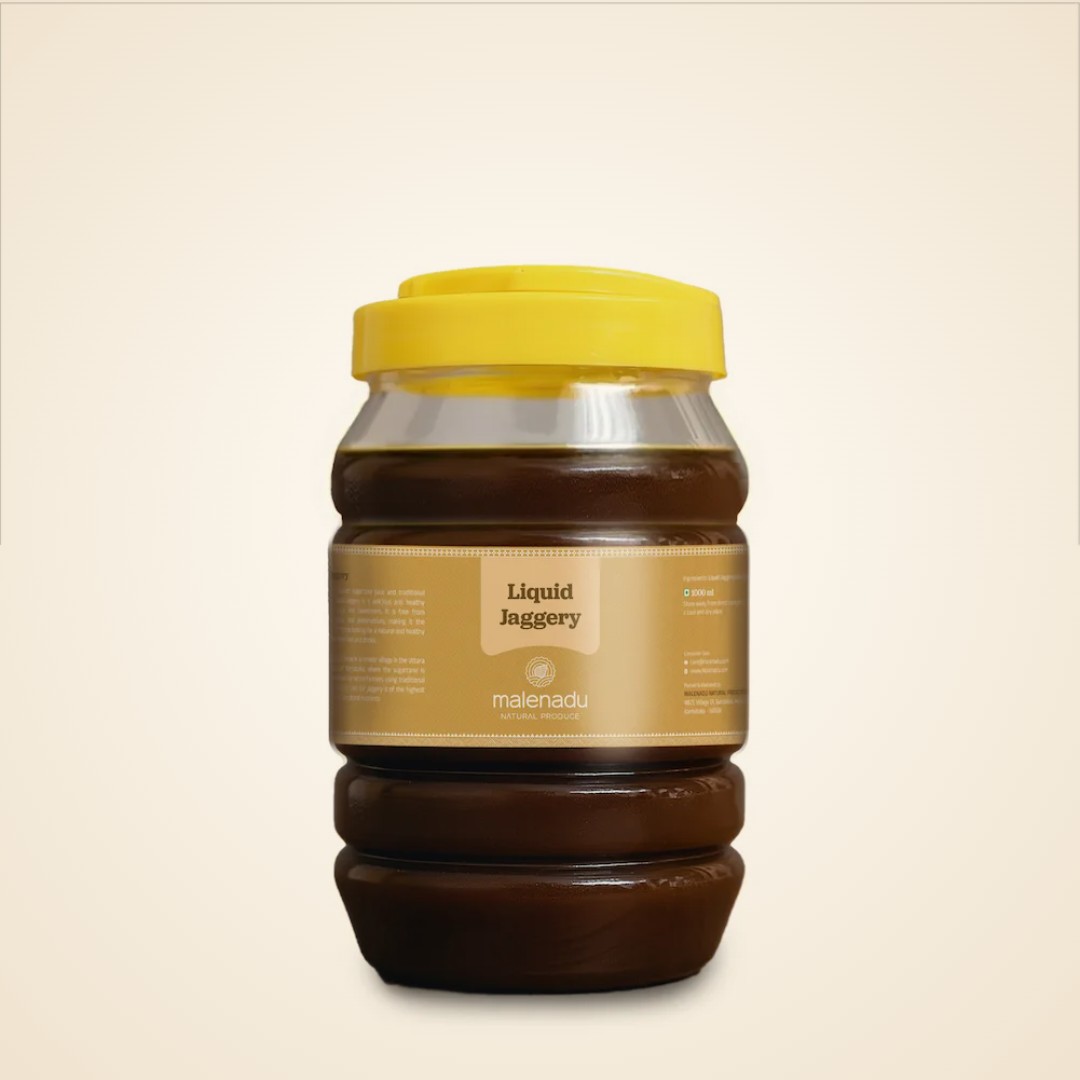
The simplest change to halasina kadubu is the sweetener. Joni bella, the liquid jaggery of Malenadu, gives a deeper, almost smoky sweetness than block jaggery and mixes into the pulp with no lumps.
From the malenadu pantry
malenadu Liquid Jaggery (joni bella) pours straight into the jackfruit pulp, so there is no grating or melting. Start with a third of a cup, taste and add more only if your fruit is not very sweet.
Other variations you will find in Malenadu kitchens:
- More cardamom. Freshly crushed cardamom seeds instead of ready powder give a much stronger perfume.
- A pinch of dry ginger (shunti pudi) or a few crushed black peppercorns for warmth.
- Cashews or grated copra stirred in for texture.
- Jackfruit dose. Thin the same batter with a little water and pour it on a hot tawa for sweet jackfruit dosa.
- Idli plates. Steam the batter in greased idli plates for 15 to 20 minutes when you have no leaves.
If you want to compare jaggery, joni bella and honey as sweeteners, our post on jaggery vs sugar vs honey explains how they differ in the kitchen.
How to serve halasina kadubu
Halasina kadubu is served warm, unwrapped from its leaf, with a spoon of ghee melting on top. It is eaten for breakfast, at tea time or as a sweet after lunch on a jackfruit day.
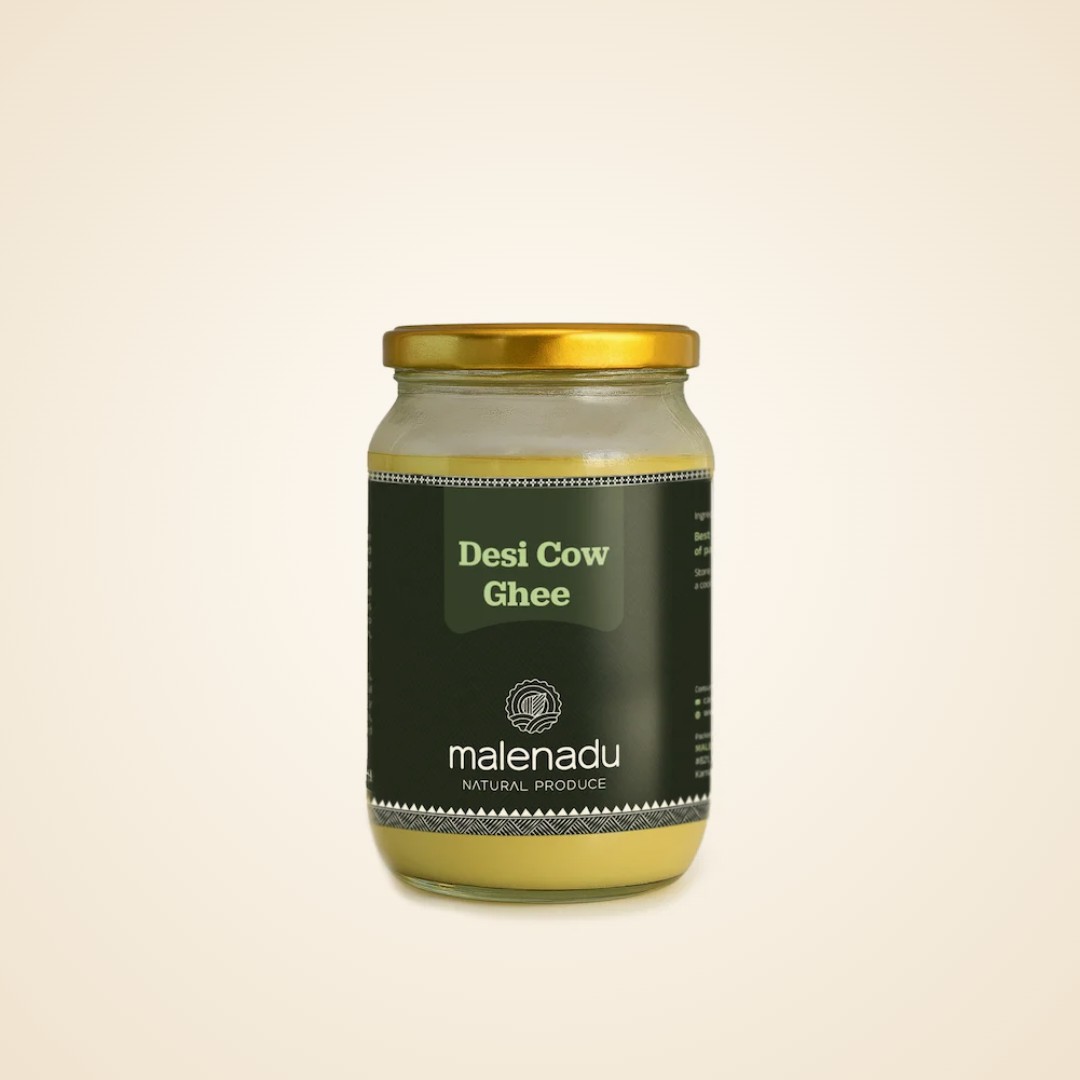
Ghee is the classic partner. It softens the dense texture and brings out the cardamom.
From the malenadu pantry
malenadu Desi Cow Ghee is hand churned by farmer families from the milk of desi breeds such as Malenadu Gidda. A spoon on warm halasina kadubu is how it is served in most Malenadu homes.
Adults often drizzle a little honey over the kadubu instead of ghee, especially when it is eaten cold the next day. Remember that honey and jaggery are not for babies under one year, so keep halasina kadubu for older children and adults.
Leftover kadubu keeps for a day at room temperature in its leaf and two days in the fridge. Steam it for five minutes to soften it again. When jackfruit season is over and you still want a coconut and jaggery sweet with your tea, our coconut jaggery burfi is a good stand-in.
Jackfruit traditions and the jackfruit melas
In Malenadu, jackfruit is a shared fruit. Many old homes have at least one tree in the backyard or the thota. A ripe fruit is often split with neighbours because no single family can finish it. Nothing is wasted: bulbs become kadubu and payasa, seeds are roasted in the fire on rainy evenings, raw fruit becomes happala and leaves become kotte. Some old houses used jackfruit wood for doors and pillars, which you can read about on our page on Malenadu homes.
Every summer, farmer groups and jackfruit lovers’ forums hold a halasina mela (also called halasina habba) in towns across coastal and Malenadu Karnataka. Growers bring their best varieties and families sell jackfruit chips, happala and sweets. There are often cooking contests too. These melas have helped bring local varieties to buyers far beyond the village.
In Bengaluru, the Department of Horticulture runs a mango and jackfruit mela at Lalbagh every summer. It is a good place for city readers to find ripe jackfruit for halasina kadubu without a tree in the backyard. To learn more about the hills these trees grow in, see our page on Malenadu in Karnataka.
Common halasina kadubu mistakes
Most halasina kadubu failures come from watery pulp, skipping the rest or taking it out of the steamer too early.
| Problem | Likely cause | Fix |
|---|---|---|
| Sticky, wet kadubu | water added to pulp or too much jaggery | grind without water, add a spoon of rava |
| Raw, grainy middle | rava not rested or too little steaming | rest 30 minutes, steam 30 to 35 minutes |
| Hard and dry | too much rava | keep pulp to rava at 2 to 1 |
| Not sweet enough | fruit not fully ripe | taste the batter and add jaggery |
| Sticks to the leaf | opened too soon | rest 5 minutes before unwrapping |
Where to go next after halasina kadubu
If you enjoyed halasina kadubu, try its savoury cousin, the spicy kara kadubu. You can browse more recipes in our Malenadu food guide. For jaggery, honey and other sweeteners from Malenadu, see the natural sweeteners section.
Bring Malenadu home
Grown and made by Malenadu farmer families, packed by malenadu, a farmer owned producer company in Honnavar.
-
14% OFF
Liquid Jaggery
Original price was: ₹349.₹299Current price is: ₹299. -
19% OFF
Cardamom
Price range: ₹130 through ₹330 -
40% OFF
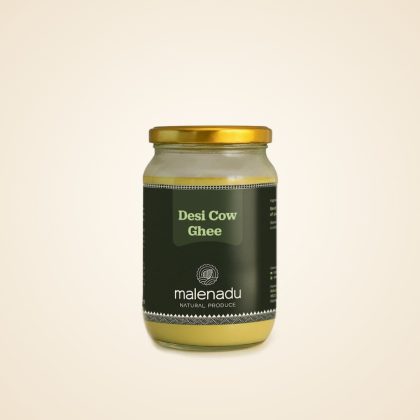
Desi Cow Ghee
Original price was: ₹1,500.₹899Current price is: ₹899. -
29% OFF
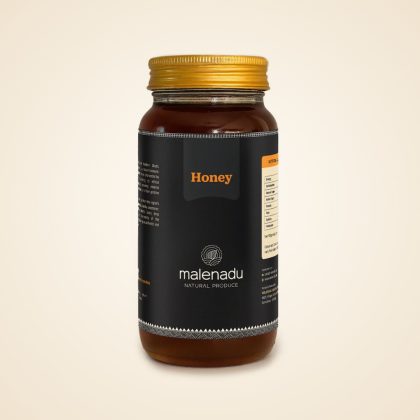
Honey
Price range: ₹249 through ₹449 -
24% OFF
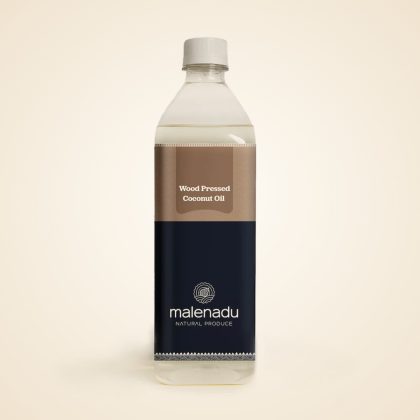
Wood Pressed Coconut Oil
Original price was: ₹899.₹679Current price is: ₹679. -
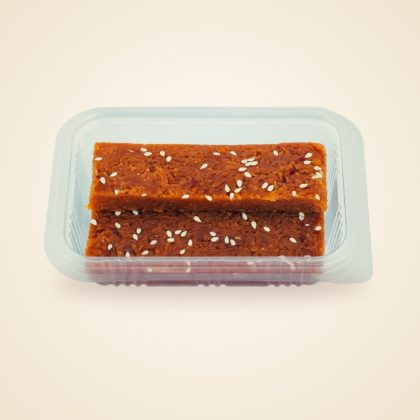
Coconut Jaggery Burfi
₹120
Frequently asked questions about halasina kadubu
What is halasina kadubu?
Halasina kadubu is a sweet Karnataka dumpling made from ripe jackfruit pulp, rice rava, jaggery, coconut and cardamom, steamed in teak, banana, turmeric or jackfruit leaves.
Is halasina kadubu the same as jackfruit idli?
Yes. Jackfruit idli is another name for the same dish. It is called idli when steamed in idli plates and kadubu when steamed in leaves.
Which leaf is best for halasina kadubu?
Teak and turmeric leaves give the most flavour, while banana leaves are the easiest to find in cities. Jackfruit leaf cups called kotte are used in many homes too.
Can I use semolina instead of rice rava?
Yes. Many cooks use bombay rava (semolina) and steam it the same way. The texture is softer and less grainy than rice rava.
Why did my halasina kadubu not set?
The pulp was too watery or the batter did not rest long enough. Grind the bulbs without water, rest the batter for 30 minutes and steam for at least 30 minutes.
When is jackfruit season in Karnataka?
Jackfruit season in Karnataka runs roughly from March to July, with ripe fruit most common in the hot weeks before and at the start of the monsoon.
How long does halasina kadubu keep?
It keeps for a day at room temperature in its leaf and two days in the fridge. Steam it for five minutes before eating.
Can children eat halasina kadubu?
Older children enjoy it, but it contains jaggery, so it should not be given to babies under one year. The same applies to honey served on top.
Explore more of Malenadu
Malenadu FoodMalenadu FoodRice, kokum, pepper and joni bella from the hills
Malenadu FoodSpices Names in KannadaEnglish, Kannada and Hindi names for a Malenadu kitchen
Malenadu FoodKara KadubuSpicy steamed rice dumplings from Malenadu kitchens
Malenadu FoodKokum SaaruThe sour, peppery everyday rasam of Malenadu homes
Malenadu FoodMenthya TambuliA cool fenugreek and curd side for the first rice course
Malenadu CultureMalenadu CulturePeople, arts and old ways of Karnataka’s rain hills
Malenadu FarmingMalenadu CropsWhat grows in Karnataka’s rain hills and why it grows
Start hereMalenadu in KarnatakaWhere Malenadu is, what the name means