
Malenadu Food
Ottu shavige (ಒತ್ತು ಶಾವಿಗೆ) is fresh rice noodles made by grinding soaked rice, cooking it into a dough, steaming it and pressing it hot through a shavige press. Malenadu homes serve it with sweet coconut milk and jaggery, with chutney or gojju or tempered as oggarane. This page gives a home recipe, the kayi haalu and five ways to serve it.
On this page
What is ottu shavige?
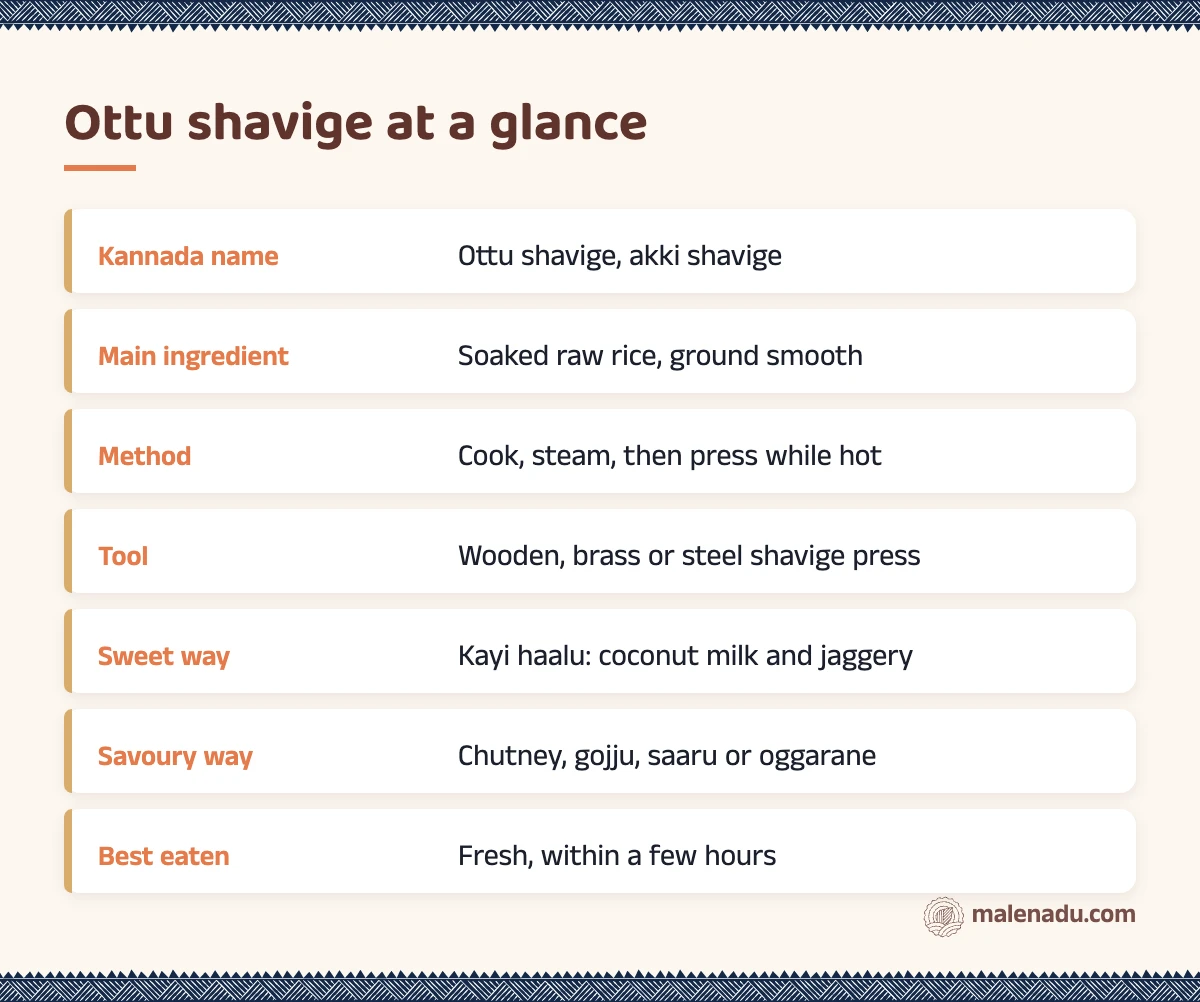
Ottu shavige is a dish of soft, thin rice noodles pressed fresh at home from a steamed rice dough. Ottu (ಒತ್ತು) means to press and shavige (ಶಾವಿಗೆ) means noodles or vermicelli, so the name simply says pressed noodles. Many people also write it as vattu shavige.
The noodles are white, soft and a little springy, with the plain, clean taste of rice. They have almost no flavour of their own, which is the point. Ottu shavige is a base. The taste comes from what goes on it: sweet coconut milk, a sharp chutney, a sour gojju or a quick tempering.
In most Malenadu homes ottu shavige is a weekend or festival breakfast, not an everyday one. It takes time and more than one pair of hands. One person keeps the steamer going while another presses. The children wait at the plate.
Is akki shavige the same as idiyappam?
Akki shavige means rice shavige. It is the same family as idiyappam of Kerala and string hoppers of Sri Lanka. The method is a little different, though. For idiyappam, a raw dough of rice flour is pressed first and the noodles are steamed after. For ottu shavige, the rice dough is cooked and steamed first and then pressed while hot.
How is rice shavige different from wheat shavige?
Rice shavige is fresh and soft and is eaten the same day. The shavige most people buy in packets is dry wheat vermicelli, used for shavige payasa and shavige uppittu. The two are not swapped in Malenadu kitchens. When someone in the hills says “shavige for breakfast”, they almost always mean fresh pressed rice shavige.
When do Malenadu shavige mornings happen?
Malenadu shavige is made on festival mornings, when relatives come to stay and on slow, rainy weekends when the whole family is home. It is a dish that brings people into the kitchen. Making it for six or eight people is easier with three people working together.
Rice and coconut are the two things every Malenadu and coastal home has in plenty. Karnataka was the largest coconut producing state in India in 2022-23, according to Coconut Development Board statistics. That is why the favourite way to eat ottu shavige in these hills is with fresh coconut milk.
The habits change from valley to valley. Some homes grind a little coconut with the rice, while others add red parboiled rice for a firmer noodle. Homes near the coast often serve it with fish curry. Our Malenadu food guide shows where this breakfast sits in the wider hill kitchen.
What is a shavige press?
A shavige press is a hand tool that pushes hot rice dough through a plate full of small holes, so it comes out as thin noodles. Older presses are made of wood or brass. Newer ones are steel or aluminium.
There are three kinds you will see in Malenadu kitchens:
- The big wooden press. Older joint families had a large wooden press fixed on a stand, often called a shavige mane, to make shavige for a crowd. It needs real arm strength.
- The brass or steel screw press. A smaller press with three legs and a handle you turn, which slowly screws the dough out. Most homes use this one now.
- The murukku or chakli press. The same press used for chakli works for small batches. Fit the plate with the smallest round holes.
Whatever press you use, grease it with coconut oil and keep it warm. Hot dough goes through easily, while cold dough cracks and refuses to move.
Which rice is best for ottu shavige?
Plain raw rice of the kind used for dose, such as sona masuri or a local dose rice, is best for ottu shavige. It grinds smooth, cooks into a soft dough and makes long noodles that do not break. Avoid basmati and other long grain rice, which give a dry, crumbly dough.
Many homes mix in some red parboiled rice (kempu kusubalakki) for a firmer, more filling noodle. If you try this, keep it to one part parboiled rice for three or four parts raw rice. Old rice works better than newly harvested rice, which tends to make a sticky dough.
If you do not have time to soak and grind, you can use fresh, fine rice flour. That quick method is given further down this page.
Shavige recipe: how to make ottu shavige at home
This shavige recipe makes ottu shavige for four people for breakfast. It needs 4 to 5 hours of soaking, then about an hour of grinding, cooking, steaming and pressing. You need a heavy pan, a steamer and a shavige press.
Recipe card
Ottu Shavige
Fresh rice noodles made the Malenadu way: soaked rice ground smooth, cooked into a dough, steamed and pressed hot through a shavige press.
Ingredients
- 2 cups raw rice (dose rice or sona masuri), about 400 g
- 1/4 cup freshly grated coconut (optional, for softer noodles)
- 1 1/2 cups water, for grinding (a little more if needed)
- 1 1/4 teaspoons salt
- 2 teaspoons coconut oil, for the pan and the press
Method
- Wash the rice two or three times and soak it in plenty of water for 4 to 5 hours.
- Drain the rice and grind it with the coconut and 1 1/2 cups water into a very smooth, thin batter, like a thin dose batter. Rub a drop between your fingers: it should feel silky, not gritty.
- Pour the batter into a heavy pan, add the salt and 1 teaspoon coconut oil. Cook on medium low heat, stirring all the time. In 8 to 10 minutes it thickens and comes together into a soft dough that leaves the sides of the pan.
- Turn off the heat and let the dough cool for 3 to 4 minutes. With wet or oiled palms, shape it into lemon sized balls or short logs that fit inside your press.
- Place them in a greased steamer plate and steam for 12 to 15 minutes, until they look shiny and a toothpick comes out clean.
- Turn the steamer down to the lowest heat so the balls stay hot. Grease the inside of the press with a few drops of coconut oil.
- Put one or two hot balls in the press and press the noodles in a round onto a plate or banana leaf. Work quickly, taking out one or two balls at a time.
- Serve the ottu shavige warm with kayi haalu, chutney or gojju.
Good ottu shavige is white, soft and springy, with long strands that lift off the plate without breaking. The noodles should not stick together in a lump. If they do, the batter had too much water or the dough was not cooked long enough.
Local tip
Make shavige a team job. One person presses, one keeps the steamer going and one makes the kayi haalu. It is faster and the noodles reach the table hot.
Ottu shavige with kayi haalu: the sweet way
Ottu shavige with kayi haalu is the favourite Malenadu way to eat it: fresh noodles in thin, sweet coconut milk flavoured with jaggery and cardamom. Kayi haalu (ಕಾಯಿ ಹಾಲು) means coconut milk. It is never boiled, so it stays fresh and light.
To make kayi haalu for four people:
- Grind 2 cups of freshly grated coconut with 1 1/2 cups of warm water and 3 to 4 cardamom pods until very fine.
- Squeeze it through a thin cloth or a fine sieve to get the thick first milk.
- Grind the leftover coconut again with 1 cup of warm water and squeeze out the thinner second milk. Mix both.
- Stir in 1/3 to 1/2 cup of liquid jaggery and a pinch of salt until it tastes clearly sweet.
Pour the kayi haalu over a nest of ottu shavige in a bowl or let each person dip as they eat. Some homes grind a spoon of soaked poppy seeds (gasagase) into the coconut for a thicker milk.
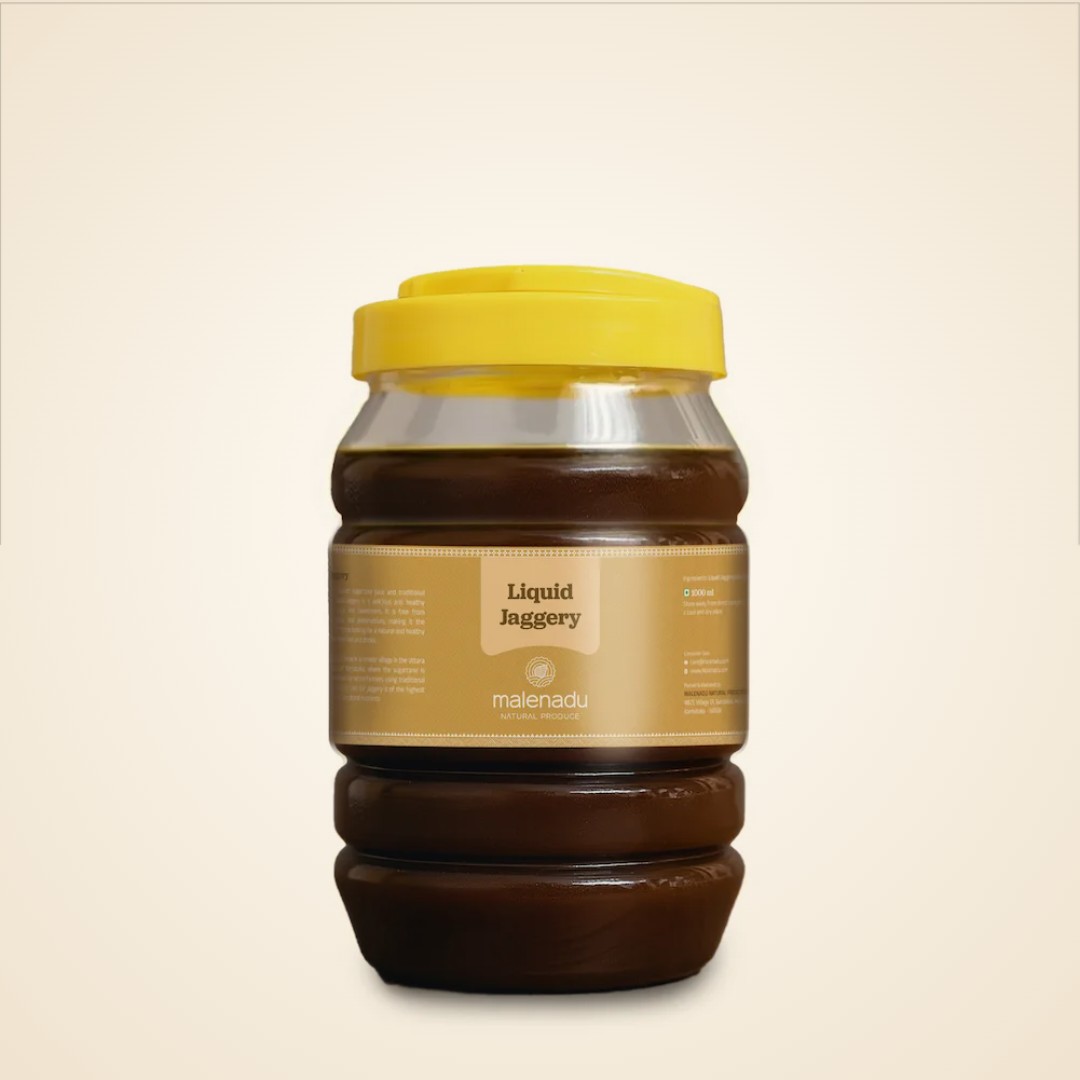
Liquid jaggery is the easiest sweetener for kayi haalu. It mixes into cool coconut milk straight away, while block jaggery has to be melted or grated first.
From the malenadu pantry
malenadu Liquid Jaggery is joni bella, the runny jaggery of Malenadu kitchens. It stirs straight into cool kayi haalu without heating, so the coconut milk stays fresh and the shavige gets a deep, soft sweetness.
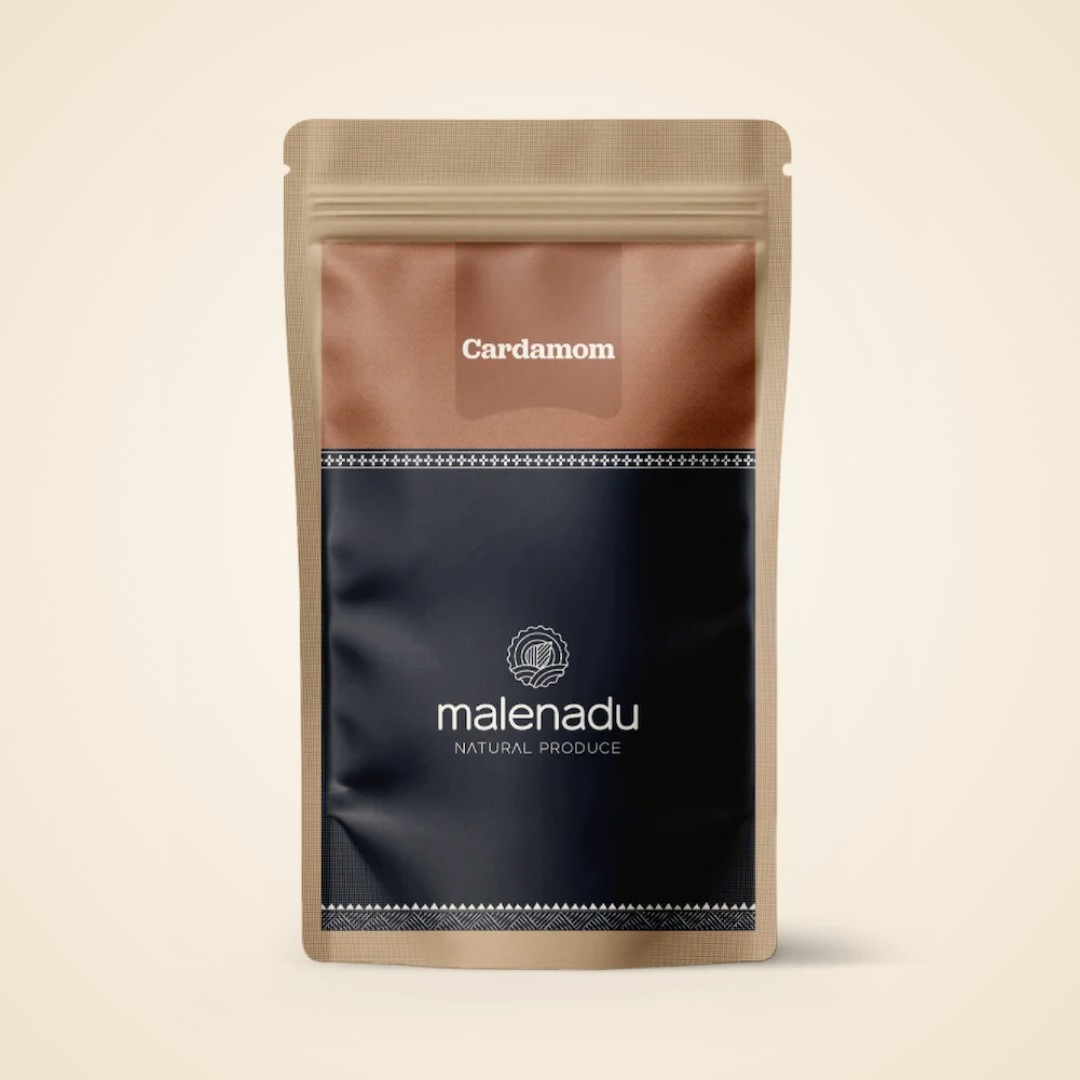
Cardamom is the only spice in kayi haalu. Small cardamom is native to the evergreen forests of the Western Ghats. The ICAR Indian Institute of Spices Research names Kerala and Karnataka as its main growing states. Grind the pods whole with the coconut so the smell goes right through the milk.
From the malenadu pantry
malenadu Cardamom is green cardamom from the same Western Ghats hills. Three or four pods ground with the coconut are enough to scent kayi haalu for a whole family breakfast.
Children over one year love ottu shavige with kayi haalu. Do not give jaggery, sugar or honey to babies under one year. To read more about jaggery, see our page on jaggery vs sugar vs honey.
5 ways to serve ottu shavige
Ottu shavige can be served sweet with kayi haalu or savoury in four other ways. Most families make one big batch and serve it two or three ways at the same meal.
1. With kayi haalu
The sweet way, explained above. It is the one children ask for first.
2. With chutney and a drizzle of oil
Put a nest of hot shavige on the plate, pour over a spoon of raw coconut oil and serve a coarse coconut chutney on the side. A green chilli and coriander chutney or a ginger chutney also works.
3. With gojju, saaru or huli
Ottu shavige soaks up wet dishes beautifully. A spoon of sweet and sour kesuvina gojju or a thin, peppery kokum saaru poured over it makes a light meal. Majjige huli, the buttermilk curry, is another favourite.
4. Shavige oggarane
Shavige oggarane is ottu shavige tossed in a tempering, like a chitranna. Heat 2 tablespoons of ghee or coconut oil and fry 1 teaspoon mustard seeds, 1 teaspoon each of urad dal and chana dal, a handful of peanuts, 2 green chillies and curry leaves. Add a pinch of turmeric and salt, then the shavige. Toss gently. Finish with lemon juice and grated coconut.
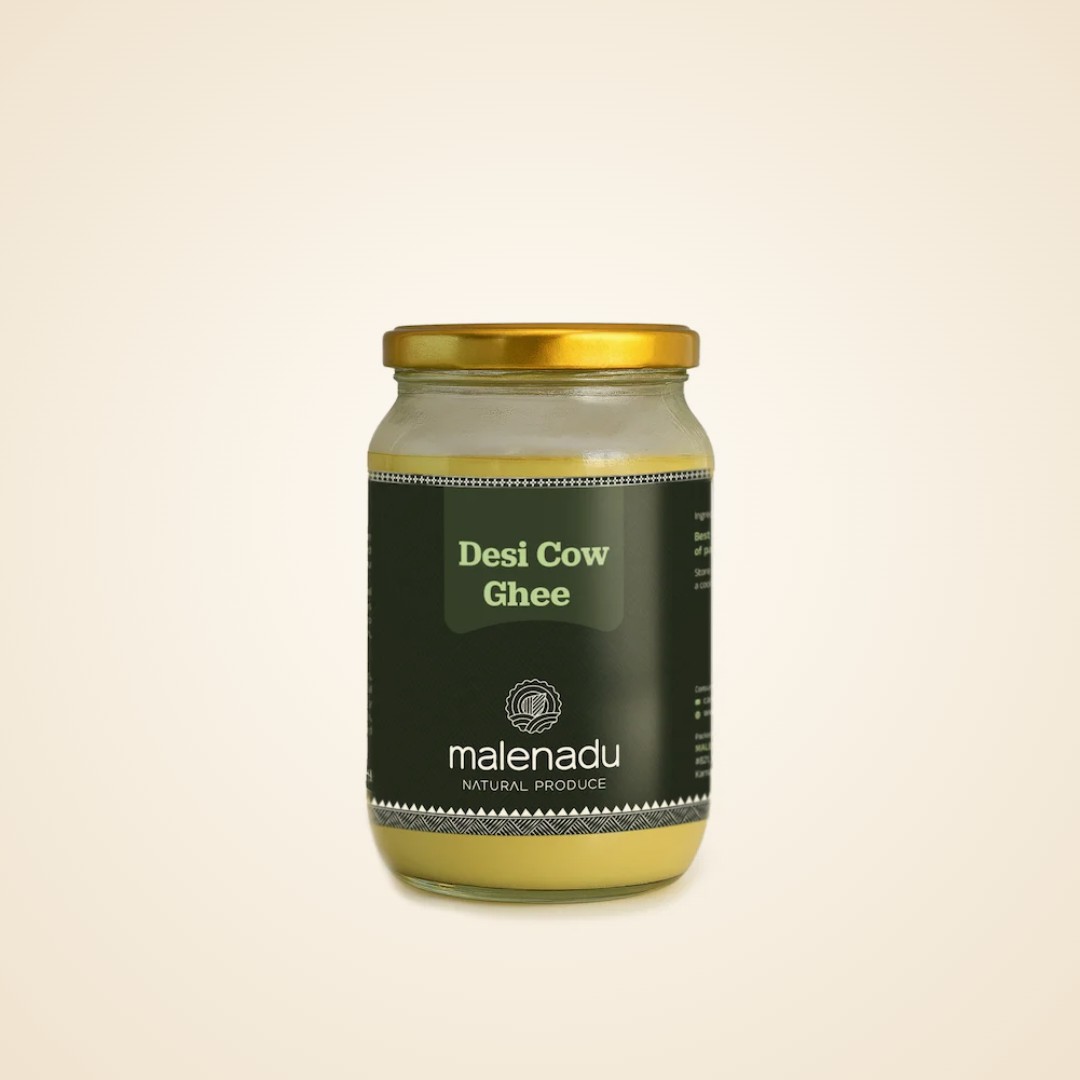
Ghee gives shavige oggarane a rich smell that coconut oil does not. Many homes use ghee when the dish is made for guests.
From the malenadu pantry
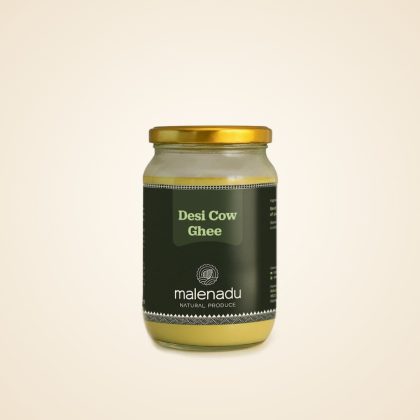
malenadu Desi Cow Ghee is hand churned by farmer families from the milk of desi breeds such as Malenadu Gidda. Two tablespoons in the tempering turn leftover shavige into a festive oggarane.
5. With a curry
In homes that eat meat, ottu shavige is served with chicken or fish curry. A Malenadu style koli saaru with plenty of gravy is a common Sunday pairing.
For a quick heat on any savoury plate, crush one bird eye chilli into the chutney or the oggarane. It is small but very hot.
How to make instant ottu shavige with rice flour
You can make quick ottu shavige with fine rice flour instead of soaked rice. It skips the soaking and grinding and takes about 30 minutes.
- Bring 2 cups of water to a boil with 1 teaspoon salt and 1 teaspoon coconut oil.
- Add 2 cups of fine rice flour, stir quickly, turn off the heat and cover for 5 minutes.
- Knead well while warm into a smooth, soft dough. Add a spoon of hot water if it cracks.
- Shape into logs, steam for 10 minutes and press while hot.
The noodles are a little less soft than the ground rice kind but very close. Use fresh, finely ground rice flour, as old or coarse flour makes noodles that break. The same hot water dough is used for akki rotti.
Common ottu shavige mistakes and how to fix them
Most problems with ottu shavige come from the batter, the cooking of the dough or letting it go cold before pressing. This table shows what went wrong.
| Problem | Likely cause | Fix |
|---|---|---|
| Noodles break into short bits | dough too dry or too cold | press while hot, add a little more water to the batter |
| Noodles stick in a lump | batter too thin, dough undercooked | less water, cook until the dough leaves the pan |
| Dough will not go through the press | dough cooled down | keep balls in the steamer on low heat |
| Gritty noodles | batter not ground smooth | grind longer, use a wet grinder if you have one |
| Raw taste | not steamed long enough | steam until shiny and a toothpick comes out clean |
Local tip
If the press gets stuck, do not force it. Put the press in the steamer for a minute to warm it, then try again with a fresh hot ball.
How long does ottu shavige keep?
Ottu shavige is best eaten within a few hours of pressing. Cover it with a damp cloth so the noodles do not dry out. Leftovers keep in the fridge for a day in a closed box.
To soften cold shavige, steam it for 3 to 4 minutes. The easiest way to use leftovers is to make shavige oggarane the next morning. Kayi haalu does not keep, so make it fresh each time.
Where to go next after ottu shavige
Once you have the press out, try other Malenadu rice breakfasts like steamed kara kadubu and soft akki rotti. Our Malenadu food guide brings all the recipes together. For jaggery for your kayi haalu, see the natural sweeteners section of our shop.
Bring Malenadu home
Grown and made by Malenadu farmer families, packed by malenadu, a farmer owned producer company in Honnavar.
-
14% OFF
Liquid Jaggery
Original price was: ₹349.₹299Current price is: ₹299. -
19% OFF
Cardamom
Price range: ₹130 through ₹330 -
40% OFF
Desi Cow Ghee
Original price was: ₹1,500.₹899Current price is: ₹899. -
24% OFF
Wood Pressed Coconut Oil
Original price was: ₹899.₹679Current price is: ₹679. -
Bird Eye Chilli
₹200 -
8% OFF
Black Pepper
Price range: ₹165 through ₹299
Frequently asked questions about ottu shavige
What does ottu shavige mean?
Ottu means to press and shavige means noodles in Kannada. Ottu shavige is fresh rice noodles pressed at home through a shavige press.
What is the difference between ottu shavige and idiyappam?
For idiyappam, raw rice flour dough is pressed first and then steamed. For ottu shavige, the rice dough is cooked and steamed first and then pressed while hot.
What is kayi haalu?
Kayi haalu is fresh coconut milk. For shavige it is sweetened with jaggery, flavoured with cardamom and served without boiling.
Which rice is best for akki shavige?
Plain raw dose rice or sona masuri works best. Some homes add a little red parboiled rice for a firmer noodle.
Can I make ottu shavige with rice flour?
Yes. Cook fine rice flour in boiling salted water, knead it while warm, steam it and press it hot.
Why does my shavige break?
The dough was too dry or had gone cold. Press it straight from the steamer and keep the press greased and warm.
Can children eat shavige with jaggery?
Children over one year can have ottu shavige with kayi haalu. Do not give jaggery, sugar or honey to babies under one year.
Explore more of Malenadu
Malenadu FoodMalenadu FoodRice, kokum, pepper and joni bella from the hills
Malenadu FoodHalasina KadubuSweet jackfruit dumplings steamed in leaves
Malenadu FoodSpices Names in KannadaEnglish, Kannada and Hindi names for a Malenadu kitchen
Malenadu FoodKara KadubuSpicy steamed rice dumplings from Malenadu kitchens
Malenadu FoodKokum SaaruThe sour, peppery everyday rasam of Malenadu homes
Malenadu FoodMenthya TambuliA cool fenugreek and curd side for the first rice course
Malenadu FoodMalenadu FruitsJackfruit, kokum, wild mango and the fruits of the forest
Malenadu FoodKesuvina GojjuThe sweet and sour colocasia leaf relish of the monsoon
Start hereMalenadu in KarnatakaWhere Malenadu is, what the name means