
Malenadu Food
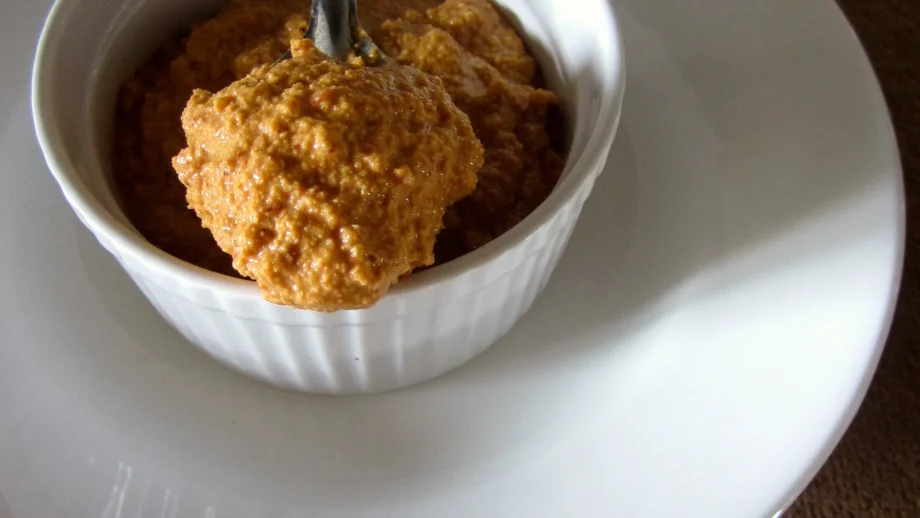
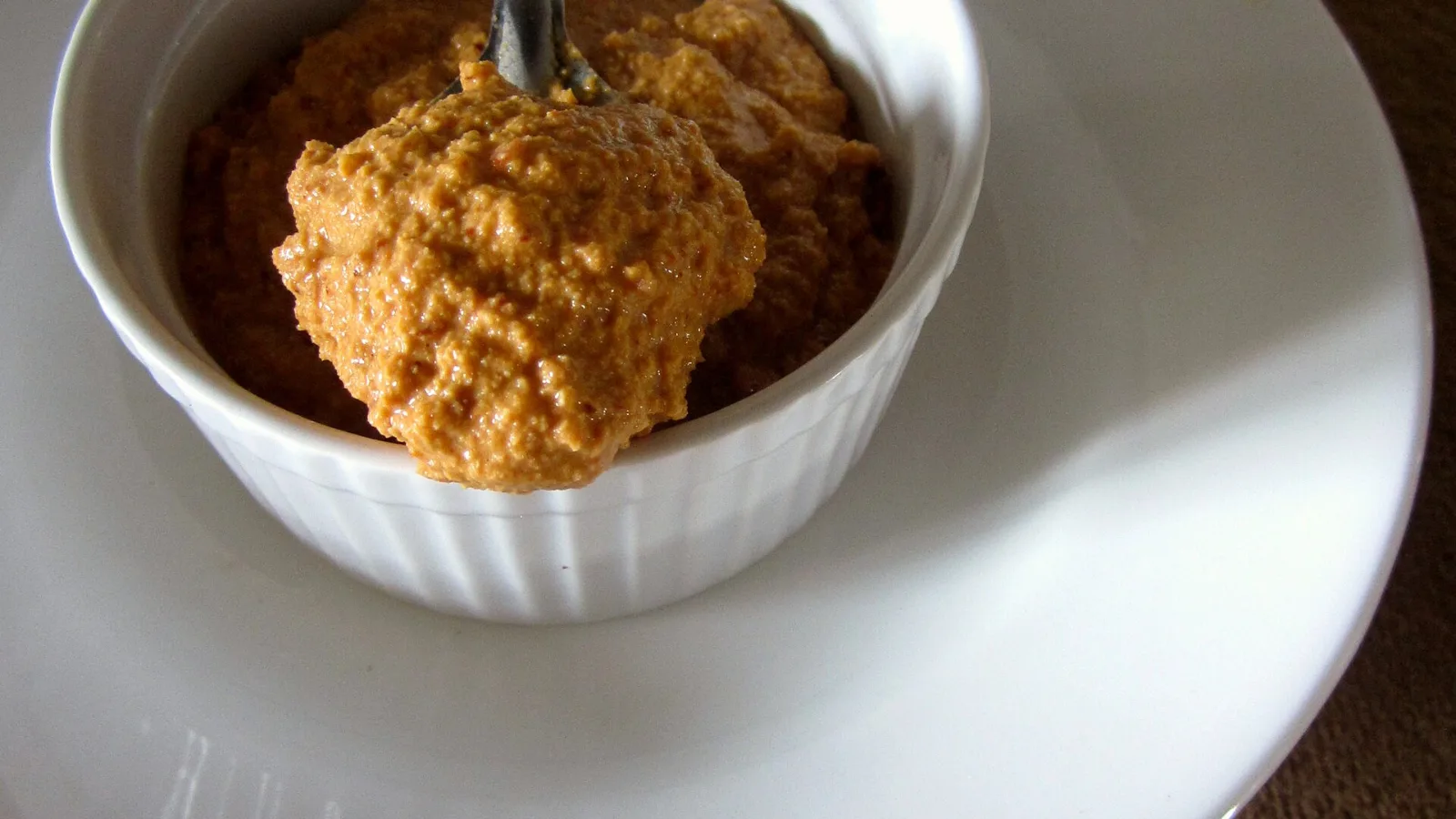
Nellikai gojju is a thick, brown relish of Indian gooseberry (amla) that is steamed soft, mashed and cooked with jaggery, salt and a roasted chilli powder until it turns glossy. It needs no tamarind because the amla brings its own sour. This page gives a home recipe in seven steps, five variations and how to store it.
On this page
What is nellikai gojju?
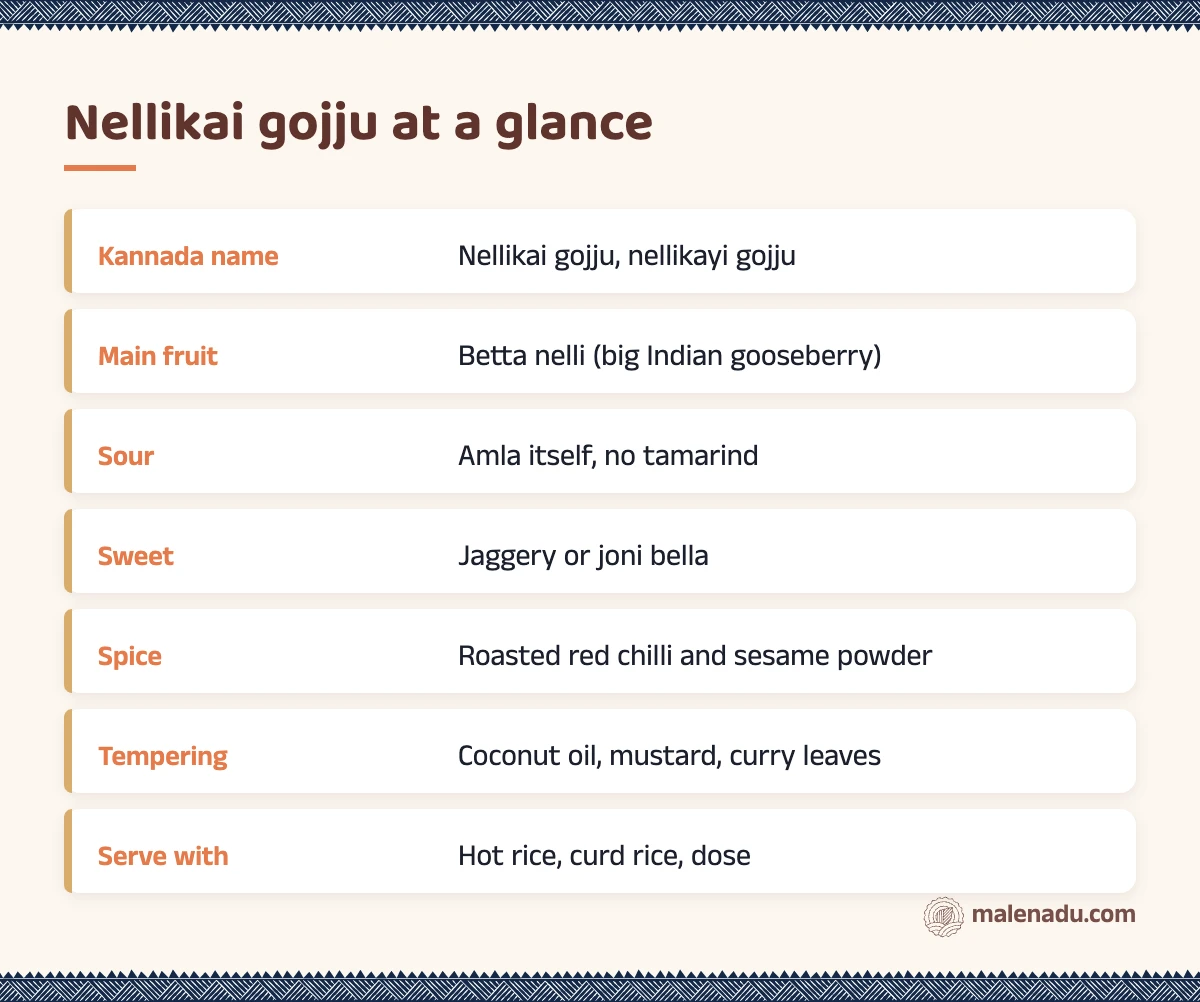
Nellikai gojju (ನೆಲ್ಲಿಕಾಯಿ ಗೊಜ್ಜು) is a sweet, sour, salty and spicy relish made by cooking soft amla with jaggery and a roasted spice powder until it is thick enough to hold its shape on a spoon. Nellikai (also spelt nellikayi) is the Kannada word for amla, the Indian gooseberry. Gojju means a thick, cooked relish with all the tastes at once.
Most gojju starts with tamarind. Karnataka Tourism describes gojju as a tamarind based curry that balances tangy, sweet and spicy flavours, made in many versions with vegetables or fruits. Nellikai gojju is one of the fruit versions that skips the tamarind. Amla is so sour on its own that adding more would make the dish harsh.
A good amla gojju tastes sharp and sour first, then the jaggery rounds it off and the chilli comes in last. Under all that is the faint bitter edge of amla, which is what makes it so moreish. A small spoon is enough to flavour a whole plate of rice.
Betta nellikai gojju or star gooseberry gojju?
In Kannada the big Indian gooseberry is called betta nelli (ಬೆಟ್ಟ ನೆಲ್ಲಿ, “hill gooseberry”) or dodda nelli (“big gooseberry”). The small, pale, ribbed fruit that grows in clusters on backyard trees is a different plant, the star gooseberry, called kirunelli. Both make good gojju, but this page is about betta nellikai gojju, the version made with the big amla.
Where does amla grow in Malenadu?
Amla grows in Malenadu both as wild trees on the forest slopes and as planted trees near houses and at the edges of areca gardens. The wild fruit is small, hard and fibrous. The planted fruit is larger, smoother and juicier. It is also easier to deseed.
The fruit is ready in the cool months. A government farm guide notes that amla fruits are harvested when they turn from light green to a dull greenish yellow. In South India that happens mostly from about December to February. This is when baskets of amla appear at weekly markets in the hill towns and nellikai gojju turns up on the lunch plate.
Kokum, wild mango and vate huli all come in the hot months. In winter, amla gives the kitchen its fresh sour. For the full year of fruit in these hills, read our guide to fruits of the Malenadu hills.
Local tip
Pick firm, heavy amla with a clear, shiny skin and no brown patches. Soft or wrinkled fruit has started to dry inside and gives a bitter gojju.
Ingredients for amla gojju, explained
Amla gojju needs only a few ingredients. Each one has a clear job.
- Amla: the base and the sour. Use 10 to 12 large betta nelli, about 300 g. If you only find small wild amla, use 18 to 20.
- Jaggery: the balance. Amla is very sour and a little bitter, so it needs more jaggery than a vegetable gojju. Start with 4 tablespoons and add more after tasting.
- Salt: amla takes salt well. Nellikai gojju should taste clearly salty as well as sweet.
- Roasted spice powder: dry red chillies, coriander seeds, white sesame, a little urad dal and a few fenugreek seeds, roasted and ground to a coarse powder. This gives the brown colour and the warmth.
- Turmeric: a pinch, for colour.
- Tempering: coconut oil, mustard seeds, a dry red chilli, curry leaves and a pinch of hing.
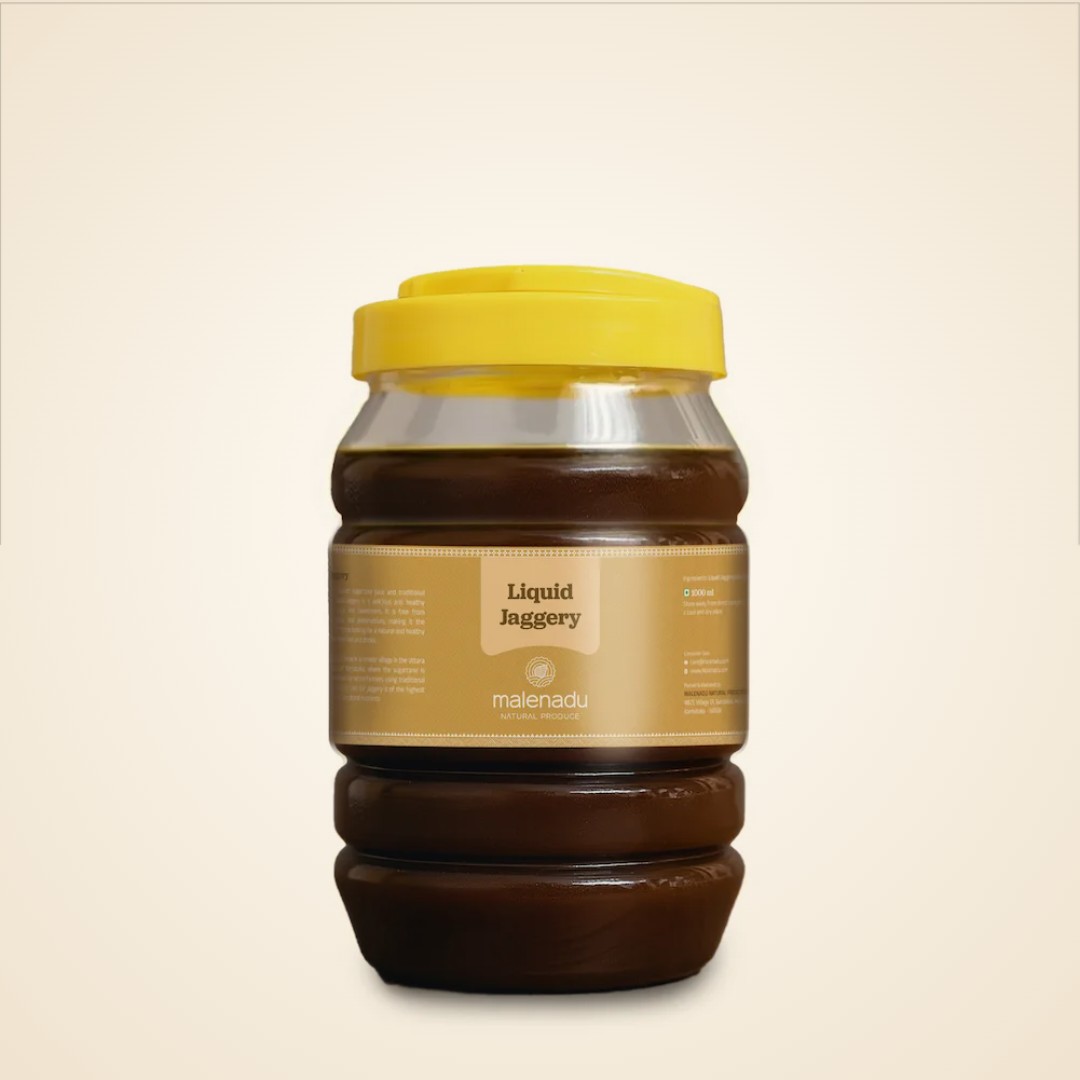
Jaggery matters more here than in almost any other gojju. Liquid jaggery is the easiest to work with, because amla gojju has to be balanced a spoon at a time.
From the malenadu pantry
Our Liquid Jaggery, joni bella in Kannada, stirs into hot nellikai gojju without lumps. Add 4 tablespoons first, taste, then a little more until the sour feels round instead of sharp.
Many homes use a spoon of their own saaru pudi (rasam powder) or sambar powder instead of roasting fresh spices. That works well for a quick weekday amla gojju. Freshly roasted spices give a deeper smell, so use them when you have the time.
For more heat, a single gandhari menasu, the tiny Malenadu backyard chilli, can go into the spice powder in place of one or two dry red chillies. It gives a sharp, clean heat.
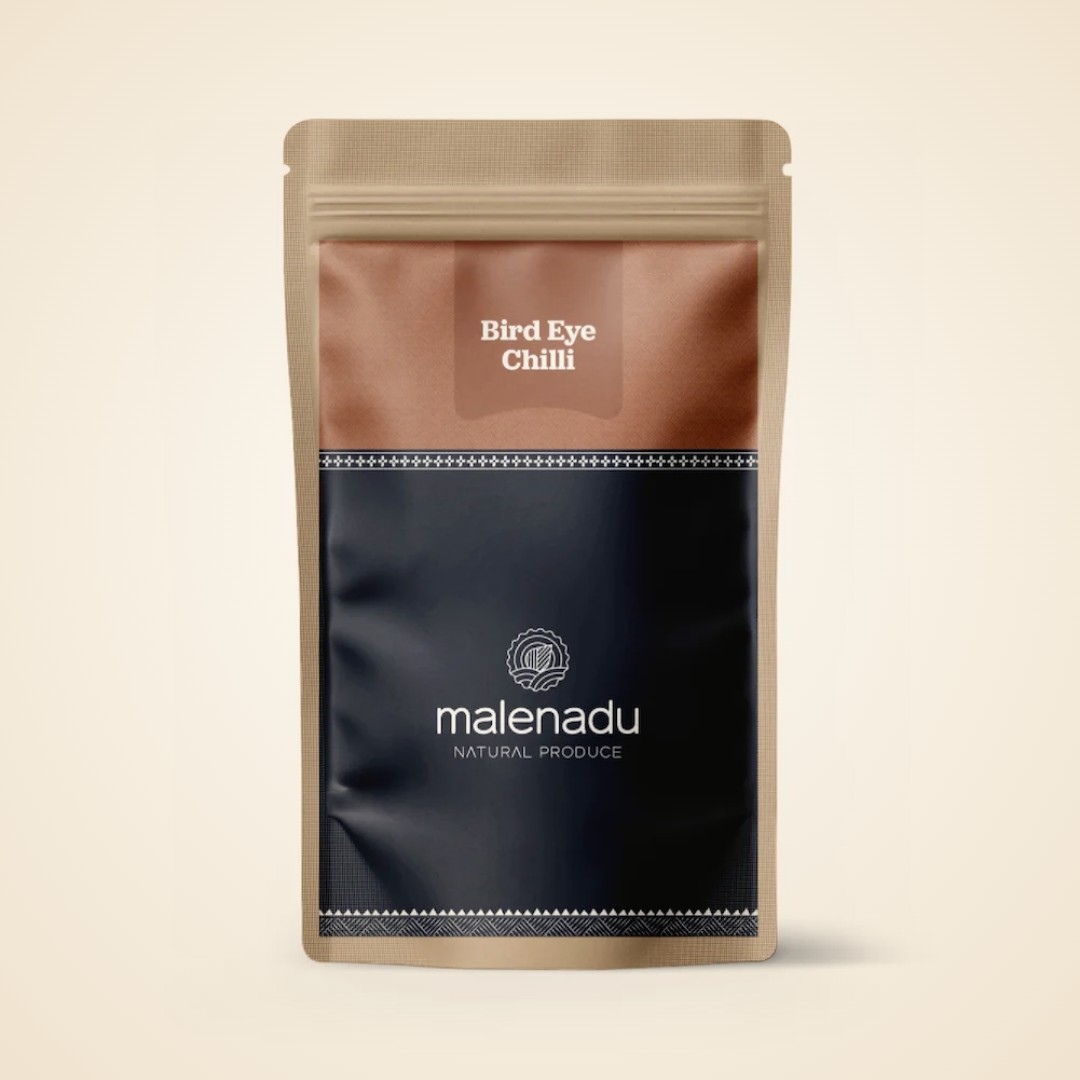
From the malenadu pantry
Our Bird Eye Chilli is the small, very hot gandhari menasu of Malenadu gardens. Roast one with the dry chillies for nellikai gojju. Its sharp heat suits the strong sour of amla.
How to make nellikai gojju at home
This nellikai gojju recipe takes about 40 minutes and makes a small bowl, enough for four people over two meals. Most of the work is steaming the amla and lifting out the seeds. The rest is slow stirring until the gojju is thick.
Recipe card
Nellikai Gojju
Steamed amla mashed and cooked thick with jaggery, salt and a roasted chilli and sesame powder, finished with a coconut oil tempering.
Ingredients
- 10 to 12 large amla (betta nellikai), about 300 g
- 3/4 cup water, plus more if needed
- 1/4 teaspoon turmeric powder
- 1 teaspoon salt (adjust to taste)
- 4 to 6 tablespoons liquid jaggery (or 1/3 to 1/2 cup grated jaggery)
- 1/2 teaspoon coconut oil, for roasting
- 5 to 6 dry red chillies (Byadgi for colour)
- 1 tablespoon coriander seeds
- 1 teaspoon urad dal
- 1/4 teaspoon fenugreek (menthya) seeds
- 1 tablespoon white sesame seeds
- 2 tablespoons wood pressed coconut oil, for tempering
- 1 teaspoon mustard seeds
- 1 dry red chilli, broken
- 10 to 12 curry leaves
- a pinch of hing (asafoetida)
Method
- Wash the amla. Steam them in an idli plate or a covered steamer for 8 to 10 minutes, until the skin turns pale and the fruit splits easily into segments when pressed. You can also boil them in water for 5 to 6 minutes.
- Cool the amla for a few minutes. Press each one along its natural lines so it falls into segments and throw away the hard seed.
- Mash the segments roughly with a fork or pulse them once in a mixer. Leave some small pieces for texture.
- Heat 1/2 teaspoon oil in a small pan on low heat. Roast the urad dal, coriander, fenugreek and red chillies until the dal turns golden and the chillies crisp. Add the sesame and roast for 30 seconds until it pops. Cool and grind to a slightly coarse powder.
- Put the mashed amla in a heavy pan with the water, turmeric and salt. Cook on medium heat for 5 minutes, stirring, until it bubbles and softens further.
- Add the jaggery and the spice powder. Lower the heat and cook for 8 to 10 minutes, stirring often, until the gojju turns brown and glossy and leaves the sides of the pan. Taste and adjust salt and jaggery.
- Heat the coconut oil for tempering. Add the mustard seeds and let them splutter, then the broken chilli, curry leaves and hing. Pour it over the gojju, stir once and cover for 5 minutes.
How do you know nellikai gojju is done?
Nellikai gojju is done when it is dark brown, thick enough to sit in a soft heap and glossy on top. Draw a spoon through it: the line should stay open for a second before closing. The raw smell of the spice powder should be gone and the amla pieces should be soft right through. It thickens as it cools, so take it off the heat while it is a little loose.
Coconut oil is the fat Malenadu kitchens use for gojju. It carries the smell of the mustard and curry leaves into every spoon.
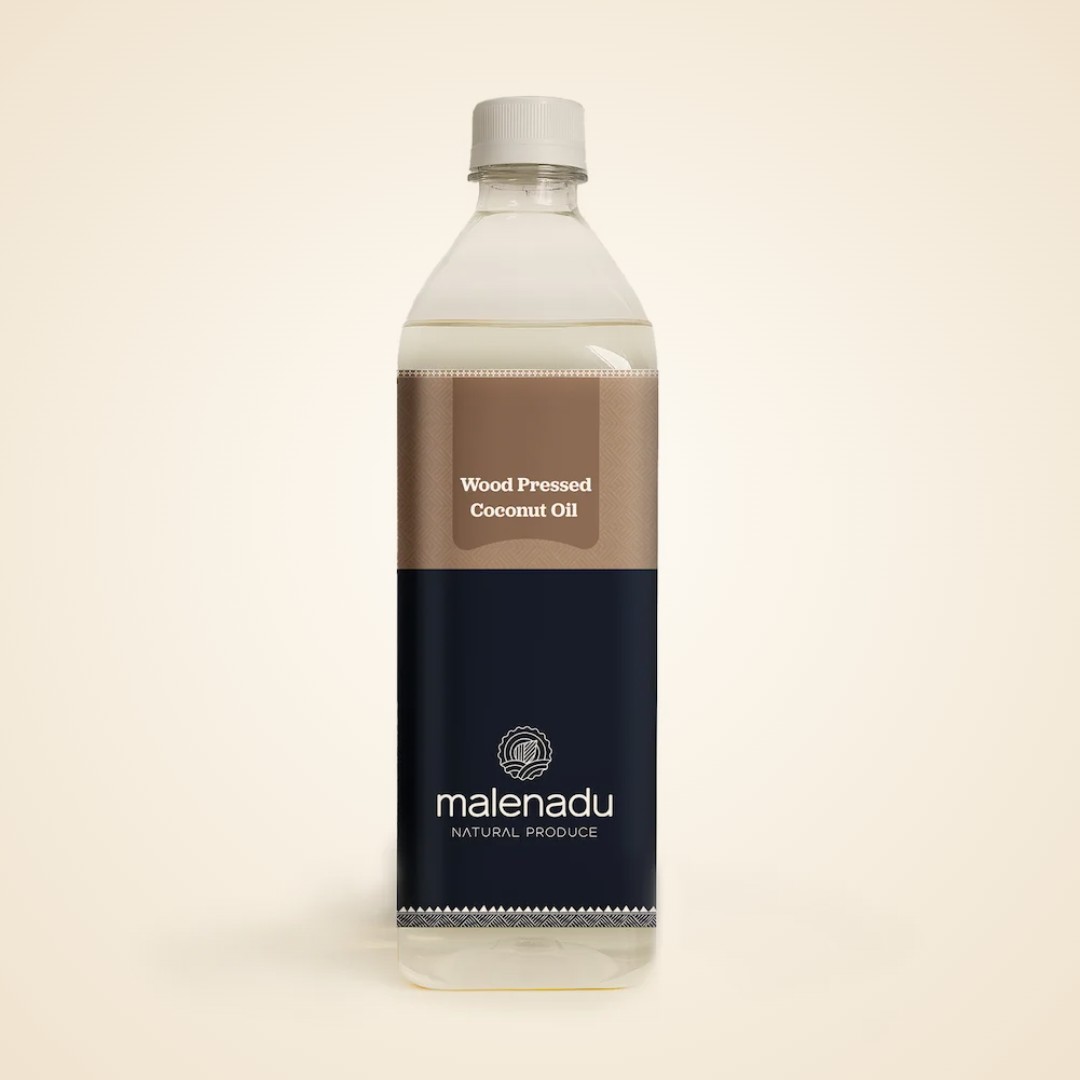
From the malenadu pantry
Our Wood Pressed Coconut Oil is pressed from sun dried copra in a wooden ghani. Two tablespoons in the tempering give nellikai gojju the warm smell of a Malenadu kitchen.
Gooseberry gojju variations to try
Gooseberry gojju changes from house to house. These five variations are the most common.
Raw amla gojju (hasi gojju)
This is the quickest version and needs no cooking of the fruit. Grate or finely chop 6 raw amla, throwing away the seeds. Grind them coarsely with 2 tablespoons jaggery, salt and 1 green chilli, then pour a mustard and curry leaf tempering over the top.
The raw version is sharper, fresher and more bitter than the cooked nellikai gojju. Eat it the same day.
With coconut
Grind 1/4 cup grated coconut into the roasted spices with a few spoons of water to make a paste, then add it in step 6. The amla gojju turns lighter brown, softer and less sharp. Coconut makes it spoil faster, so finish it in two days.
Sweeter amla gojju
Some families make nellikai gojju almost like a jam, with double the jaggery and only 2 or 3 chillies. It is cooked a little longer until very thick. Children and older people who find the classic version too sour often like this one best.
With pepper instead of chilli
In winter some homes swap half the red chillies for 8 to 10 black peppercorns, roasted with the coriander. The heat is warmer and slower. Freshly crushed Malenadu black pepper works best here.
With brined amla
Malenadu homes often keep amla in salt water through the year. Rinse brined amla well, deseed and use them in place of fresh. Cut the salt to a pinch and taste before adding more.
How to steam and deseed amla without a mess
Steaming amla takes 8 to 10 minutes and makes the seeds easy to remove. Here are the small things that make it easier.
- Steam, do not boil hard. Steamed amla keep their shape and flavour. Hard boiling makes them watery and dulls the taste.
- Look for the lines. Every amla has six faint lines from top to bottom. Press along them and the fruit falls into neat segments.
- Work while warm. The segments come away from the seed most easily when the fruit is still warm, but cool enough to hold.
- Throw away the seed. The hard seed is not used in gojju.
- Keep the juice. Do the deseeding over the pan so no juice is lost.
If you have a pressure cooker, one whistle is enough. Any more and the amla turns to mush.
What to serve with nellikai gojju
Nellikai gojju is best mixed with hot rice and a spoon of ghee, as a side to a simple saaru meal. A little goes a long way, so serve it in a small heap at the side of the plate.
- Rice and ghee: the classic. A spoon of desi cow ghee softens the sour.
- Curd rice: sweet and sour amla gojju with plain curd rice at the end of a meal is a favourite in many homes.
- Dose and rotti: next to plain dose, akki rotti or chapati in place of chutney.
- A winter meal: with a peppery saaru and a cool nellikai tambuli made from the same fruit.
In Malenadu homes amla is a winter fruit and amla gojju is eaten through December and January, when the fruit is cheap and fresh. The same government farm guide calls amla a rich source of vitamin C. Beyond that, it is simply a much loved relish that makes plain rice taste good.
Nellikai gojju and the other gojjus of Malenadu
Nellikai gojju belongs to a large family of gojjus. Each one uses a different main ingredient, but the idea of sour, sweet and hot together stays the same.
| Gojju | Main ingredient | Sour comes from |
|---|---|---|
| Nellikai gojju | Steamed amla | The amla itself |
| Mango gojju | Small ripe or raw mangoes | Mango, plus a little tamarind if needed |
| Kesu gojju | Colocasia leaves | Tamarind, kokum or vate huli |
| Pineapple gojju | Ripe pineapple | The fruit, plus a little tamarind |
| Hagalakai gojju | Bitter gourd | Tamarind |
| Bende gojju | Okra | Tamarind |
The sweet and sour ripe mango version is just as loved in summer as amla is in winter. You will find it on our page on mavina gojju. For the monsoon leaf version, read our kesuvina gojju recipe. For more on the dishes of the region, see the Malenadu food guide.
How long does nellikai gojju keep?
Nellikai gojju keeps for two days at room temperature in a cool kitchen and for about a week in the fridge in a clean, dry glass jar. The salt, jaggery and oil all help it keep. Always use a dry spoon.
- Let the gojju cool fully before closing the jar.
- Keep a thin layer of oil on top if you plan to store it for a week.
- Bring it to room temperature before serving. If it has turned very thick, stir in a spoon of hot water.
- The coconut version keeps only two days in the fridge.
- Throw it out if it smells fermented or shows any mould.
Common mistakes when making amla gojju
Most problems with amla gojju come from the balance of sour, salt and sweet. The rest come from rushing the cooking.
| Problem | Cause | Fix |
|---|---|---|
| Too sour and sharp | too little jaggery | add jaggery a spoon at a time and simmer 2 minutes |
| Bitter | old or bruised amla or burnt fenugreek | use fresh fruit and roast the spices on low |
| Watery | not cooked long enough | keep stirring on low until it leaves the pan |
| Hard pieces | amla not steamed fully | steam until the fruit splits easily |
| Flat taste | not enough salt | add salt in small pinches, amla needs it |
| Burnt bottom | heat too high after adding jaggery | use a heavy pan and stir often on low |
Local tip
Taste nellikai gojju with a little rice, not straight from the spoon. On its own it always seems too sour. Mixed with rice, the balance shows its true self.
What to cook next
Nellikai gojju is one dish in a Malenadu winter meal. Pair it with a cool amla tambuli and plain rice, then explore the other gojjus, saarus and tambulis in our Malenadu food guide. The jaggery, chilli and oil used on this page are in our natural sweeteners and spices sections.
Bring Malenadu home
Grown and made by Malenadu farmer families, packed by malenadu, a farmer owned producer company in Honnavar.
-
14% OFF
Liquid Jaggery
Original price was: ₹349.₹299Current price is: ₹299. -
24% OFF
Wood Pressed Coconut Oil
Original price was: ₹899.₹679Current price is: ₹679. -
Bird Eye Chilli
₹200 -
13% OFF
Turmeric Powder
Price range: ₹70 through ₹120 -
8% OFF
Black Pepper
Price range: ₹165 through ₹299 -
40% OFF
Desi Cow Ghee
Original price was: ₹1,500.₹899Current price is: ₹899.
Frequently asked questions about nellikai gojju
What is nellikai gojju?
Nellikai gojju is a thick Karnataka relish made from steamed amla cooked with jaggery, salt and a roasted chilli powder, then tempered with mustard and curry leaves. It is sour, sweet, salty and spicy at once.
Do you add tamarind to nellikai gojju?
No. Amla is sour enough on its own, so tamarind is left out. Adding it makes the gojju harsh.
What is betta nellikai?
Betta nellikai (betta nelli) is the Kannada name for the big Indian gooseberry (amla). The small ribbed backyard fruit is the star gooseberry, called kirunelli.
Why is my amla gojju bitter?
Bitterness comes from old or bruised amla, too much fenugreek or spices burnt during roasting. Use fresh firm fruit, roast on low heat and add a little more jaggery.
How long does nellikai gojju last?
It keeps for about a week in the fridge in a clean, dry jar with a thin layer of oil on top. The version with coconut keeps only two days.
Can I make amla gojju without cooking?
Yes. Grate raw amla and grind it with jaggery, salt and green chilli, then add a tempering. Eat this raw version the same day.
What do you eat nellikai gojju with?
Hot rice with ghee is the classic pairing. It also goes well with curd rice, dose, akki rotti and chapati.
Explore more of Malenadu
Malenadu FoodMalenadu FoodRice, kokum, pepper and joni bella from the hills
Malenadu FoodHalasina KadubuSweet jackfruit dumplings steamed in leaves
Malenadu FoodSpices Names in KannadaEnglish, Kannada and Hindi names for a Malenadu kitchen
Malenadu FoodKara KadubuSpicy steamed rice dumplings from Malenadu kitchens
Malenadu FoodKokum SaaruThe sour, peppery everyday rasam of Malenadu homes
Malenadu FoodMenthya TambuliA cool fenugreek and curd side for the first rice course
Malenadu FoodMalenadu FruitsJackfruit, kokum, wild mango and the fruits of the forest
Malenadu FoodKesuvina GojjuThe sweet and sour colocasia leaf relish of the monsoon
Start hereMalenadu in KarnatakaWhere Malenadu is, what the name means