
Malenadu Food
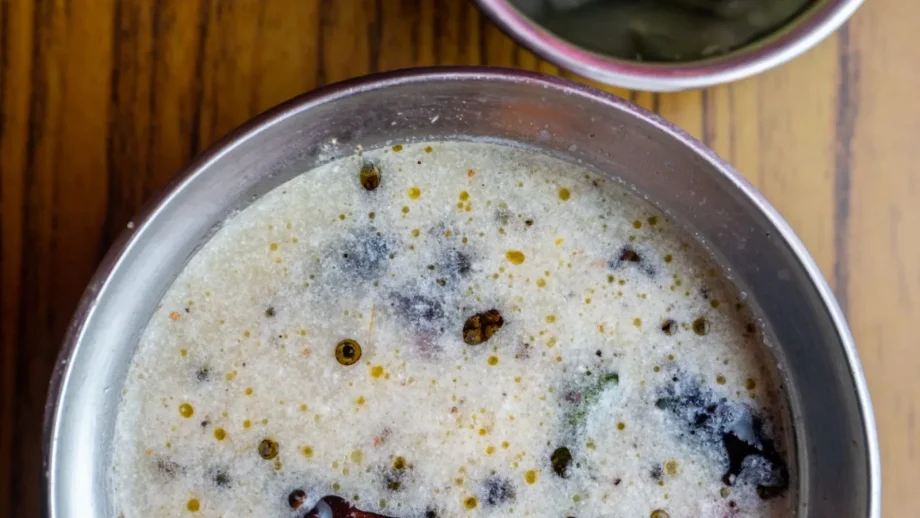
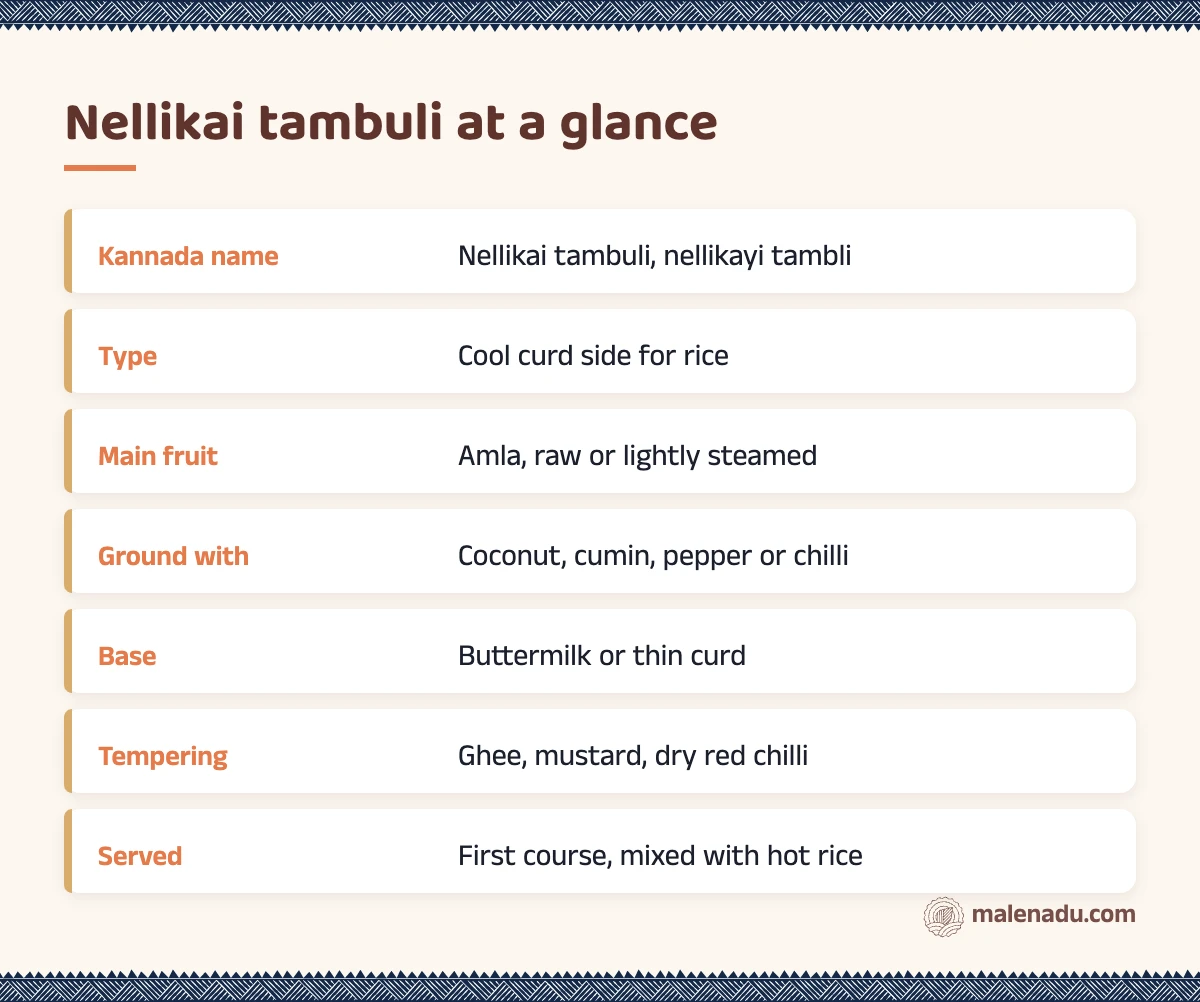
Nellikai tambuli is a cool, pale side made by grinding amla with fresh coconut, cumin and pepper, stirring the paste into buttermilk or curd and pouring a ghee tempering of mustard and red chilli over the top. It is mixed with hot rice as the first course of a meal. Here is the recipe, how to choose raw or steamed amla and five variations.
On this page
What is nellikai tambuli?
Nellikai tambuli (ನೆಲ್ಲಿಕಾಯಿ ತಂಬುಳಿ) is a thin, cool side of ground amla, coconut and mild spices stirred into buttermilk or curd, eaten mixed with rice. Nellikai (also spelt nellikayi) is the Kannada word for amla, the Indian gooseberry. Tambuli (also tambli or thambuli) is the name for this whole family of cool curd sides.
A tambuli is a no-cook or little-cook dish. Only the spices and the tempering touch the stove. The amla, coconut and curd stay raw, so the dish tastes fresh, sour and cool. Karnataka Tourism describes tambuli as a curd based side that is best mixed with rice and served in small amounts before rasam or sambar.
Amla tambuli tastes sour first, from both the fruit and the buttermilk. Then comes the soft sweetness of coconut, the warmth of pepper and cumin and the smell of the ghee tempering. Amla also leaves a faint bitter, puckering edge. Many people find that a sip of water afterwards tastes oddly sweet.
How is it different from other tambulis?
The method of nellikai tambuli is the same as for every tambuli: grind, stir into curd, temper. What changes is the main ingredient. The most everyday one is the fenugreek version on our menthya tambuli page, which also lists the wider family. Amla tambuli is the sour, bright one of the family, made mostly in winter when amla is fresh.
When is amla in season for tambuli?
Fresh amla comes in during the cool months, mostly from about December to February in South India. A government farm guide notes that amla fruits are harvested when they turn from light green to a dull greenish yellow. That is when nellikai tambuli is made most often, sometimes several times a week.
In Malenadu, amla grows both as wild trees on the forest slopes and as planted trees near the house. The wild fruit is small and hard. The big, juicy planted fruit, called betta nelli or dodda nelli in Kannada, is easier to grind and gives a smoother gooseberry tambuli. For the other fruits of these hills through the year, see our guide to fruits of the Malenadu hills.
Out of season, many homes use amla kept in salt water. Rinse brined amla well and cut the salt in the tambuli to a pinch.
Raw or steamed amla for gooseberry tambuli?
Both raw and steamed amla make good gooseberry tambuli. Raw amla gives a sharper, fresher and more sour taste. Lightly steamed amla is softer, milder and easier to deseed. Either way, the nellikai tambuli method stays the same.
| Raw amla | Lightly steamed amla | |
|---|---|---|
| Taste | sharp, very sour, a little bitter | softer, rounder sour |
| Deseeding | cut the flesh off the seed with a knife | press along the lines and it falls apart |
| Grinding | needs longer to go smooth | grinds smooth quickly |
| Colour | pale green tinge | pale cream |
| Best for | people who like a strong sour | first timers and children |
To steam, keep the amla in an idli plate or a covered steamer for 4 to 5 minutes, just until the skin turns pale. This is shorter than for gojju because the amla should stay firm for nellikai tambuli. Cool, then press each fruit along its faint lines so it falls into segments. Throw away the seed.
Local tip
If your amla is very sour or a little bitter, steam it lightly. If it is mild and juicy, use it raw. Taste a small piece first and decide.
Ingredients for amla tambuli
Amla tambuli needs fewer than twelve ingredients, most of them already in a South Indian kitchen. Each one does a job.
- Amla: 3 large betta nelli or 5 to 6 small ones. This gives a clear sour without making the tambuli harsh.
- Fresh coconut: a small handful, grated. It gives body and softens the sour.
- Cumin and pepper: warmed in a little ghee for flavour without much heat.
- Green chilli: one, for a fresh bite. Use pepper alone if you want it milder.
- Buttermilk or curd: fresh and only lightly sour. The amla brings plenty of sour already.
- Salt.
- Tempering: ghee or coconut oil, mustard seeds, a dry red chilli and curry leaves.
Black pepper is what gives a Malenadu tambuli its warmth. Pepper vines climb the areca and silver oak trees on many hill plantations, so it is the everyday spice of these kitchens.
From the malenadu pantry
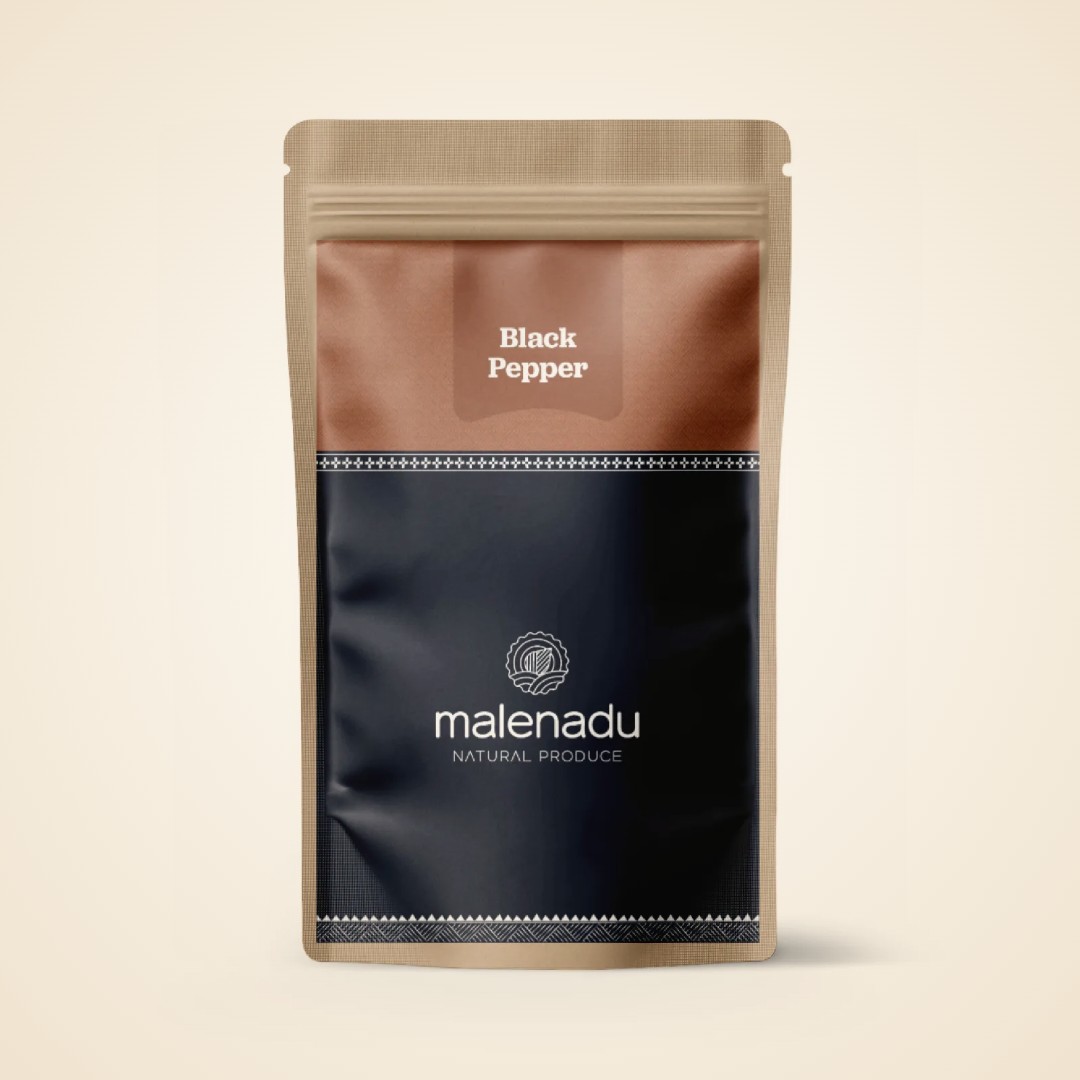
Our Black Pepper is grown in the Malenadu hills. Warm five or six whole peppercorns in ghee with the cumin, then grind them with the amla and coconut for nellikai tambuli.
For a sharper heat some cooks use one tiny bird eye chilli in place of the green chilli. It is very hot, so use only one for four people.
How to make nellikai tambuli at home
This nellikai tambuli recipe serves four as a first course and takes about 15 minutes. Only the spices and the tempering are cooked. The buttermilk is never heated.
Recipe card
Nellikai Tambuli
A cool Malenadu side of amla ground with coconut, cumin and pepper, stirred into buttermilk and finished with a ghee tempering of mustard and red chilli.
Ingredients
- 3 large amla (betta nellikai), raw or steamed for 4 to 5 minutes
- 1/4 cup freshly grated coconut
- 1/2 teaspoon cumin seeds
- 5 to 6 black peppercorns
- 1 green chilli (or 2 more peppercorns)
- 1 teaspoon desi cow ghee, for roasting
- 2 cups fresh buttermilk (or 1 cup thick curd whisked with 1 cup water)
- 3/4 teaspoon salt (adjust to taste)
- 2 to 3 tablespoons water, for grinding
- 2 teaspoons desi cow ghee or coconut oil, for tempering
- 1/2 teaspoon mustard seeds
- 1 dry red chilli, broken
- 6 to 8 curry leaves
Method
- Wash the amla. If using raw, cut the flesh off the seed in chunks. If steamed, press each fruit along its lines and lift out the seed.
- Heat 1 teaspoon ghee in a small pan on low heat. Add the cumin, peppercorns and green chilli and stir for about 1 minute until the cumin darkens a shade and smells toasty. Switch off the heat.
- Grind the amla, coconut, roasted spices and salt with 2 to 3 tablespoons water to a very smooth paste. Add a few spoons of buttermilk to help it grind.
- Pour the paste into a bowl and whisk in the rest of the buttermilk. It should pour like thin buttermilk with a little body.
- Heat the ghee or coconut oil for tempering. Add the mustard seeds and let them splutter, then the broken red chilli and curry leaves.
- Pour the hot tempering over the tambuli and stir once. Rest for 5 minutes and serve at room temperature with hot rice.
How should nellikai tambuli look and taste?
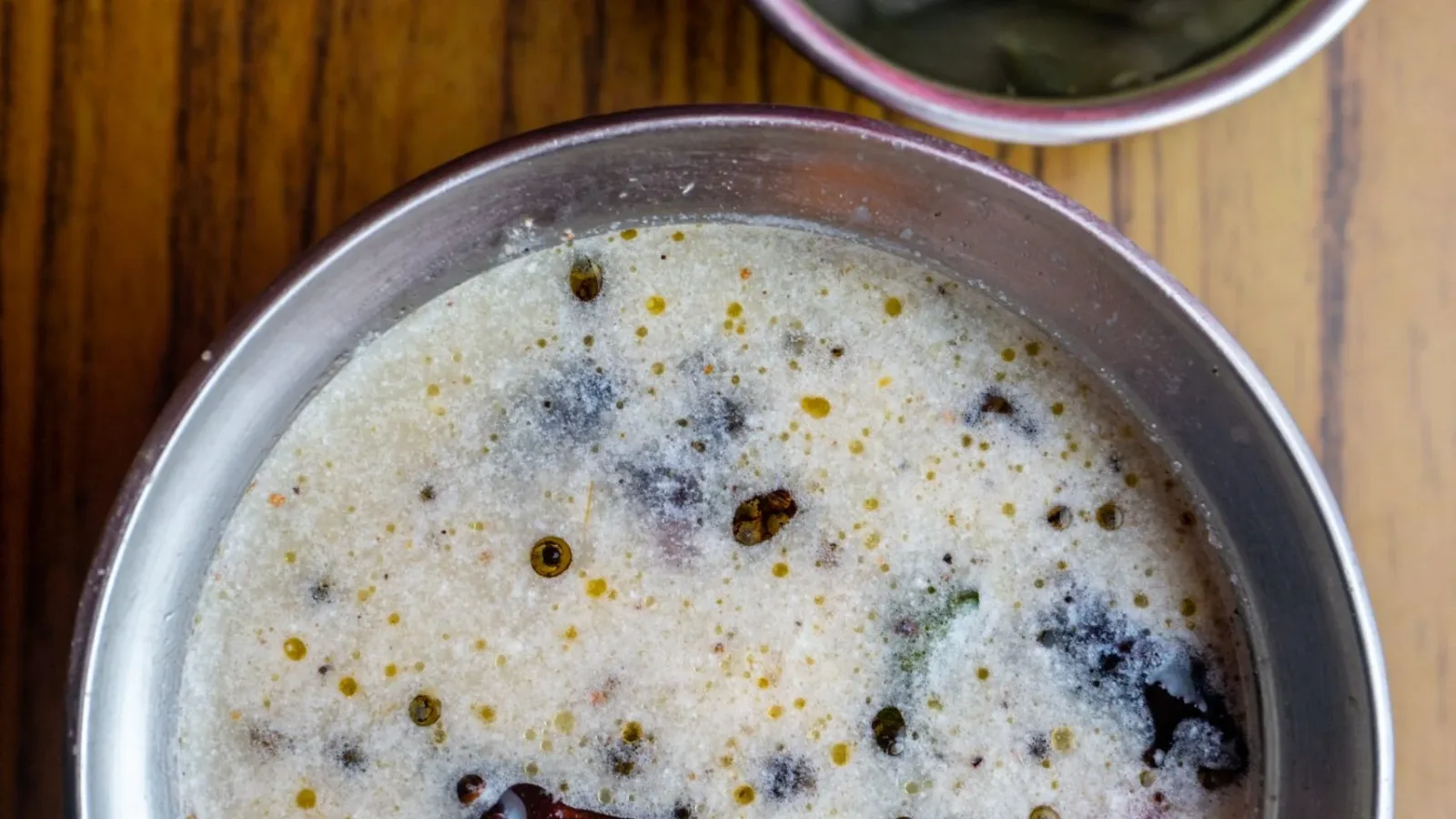
Nellikai tambuli should be pale cream with a faint green tinge, smooth with no bits of amla skin and thin enough to pour from a ladle. The red chilli and black mustard of the tempering float on top. It should taste sour and fresh, with gentle warmth from the pepper and a clear smell of ghee.
If it looks like thick raita, add a few spoons of water. If it looks watery, whisk in a little more curd.
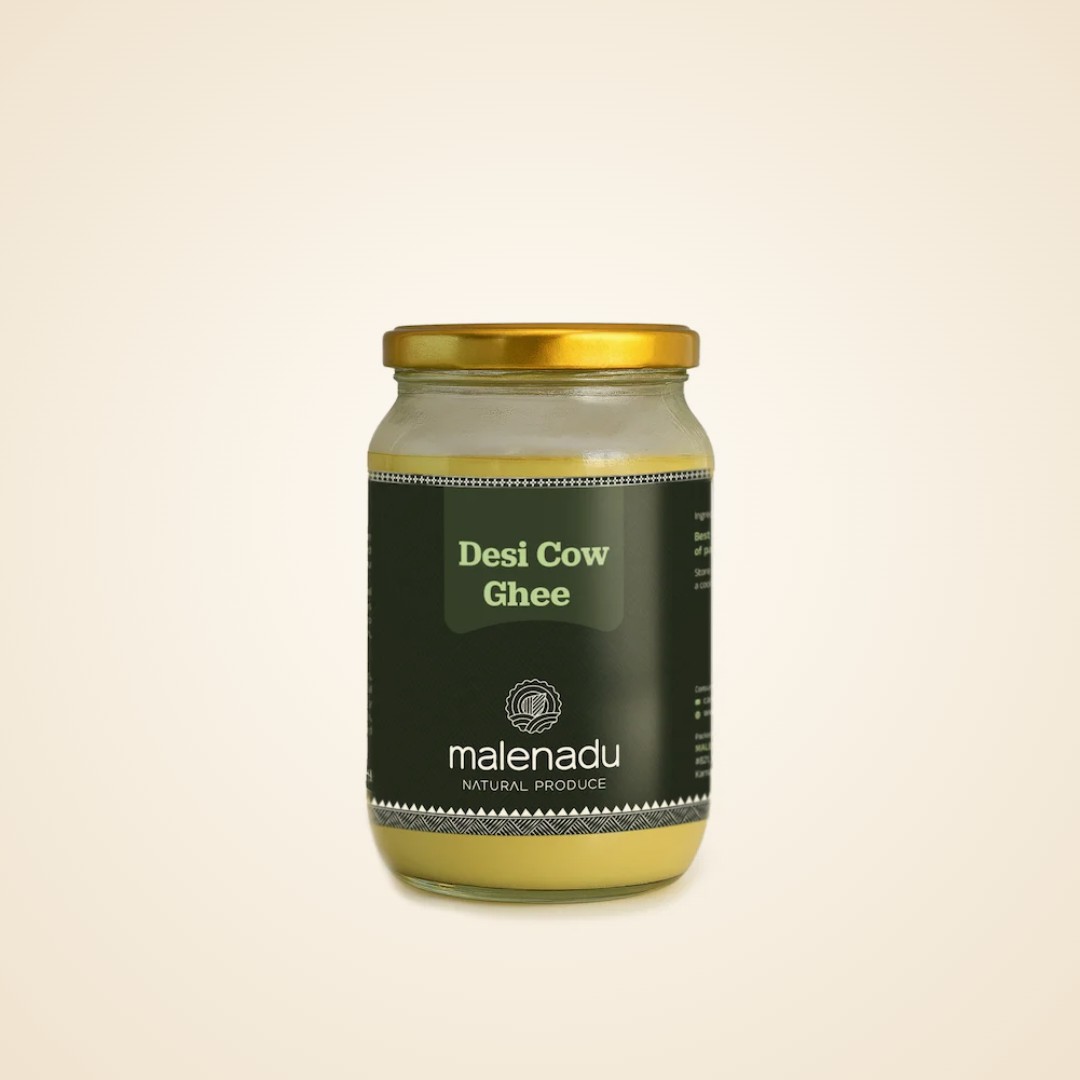
Ghee is the classic fat for tambuli in Malenadu homes. It warms the cumin and pepper and makes the tempering smell rich.
From the malenadu pantry
Our Desi Cow Ghee is hand churned by farmer families from the milk of desi breeds such as Malenadu Gidda. A spoon in the tempering gives nellikai tambuli its warm, nutty smell.
Amla tambuli variations
Amla tambuli changes with the season and the family. These five variations of nellikai tambuli are the most common.
With a coastal tempering
Coastal homes and many Malenadu kitchens temper with coconut oil instead of ghee. Add 1/2 teaspoon urad dal with the mustard seeds and let it turn light golden. The taste is lighter and more coastal. Wood pressed coconut oil gives the best smell here.
Without coconut
Grind the amla, cumin, pepper and salt alone and stir into buttermilk. This version is thinner, more sour and very light. Many families make it on the hottest days.
With ginger
Grind a 1 cm piece of fresh ginger with the amla. It adds a sharp warmth that suits the sour fruit. Ginger nellikai tambuli is good on cool winter days.
With ajwain in the tempering
Add 1/4 teaspoon ajwain (oma) to the tempering with the mustard. It gives a strong, thyme-like smell. Some cooks also add a dried curd chilli (sandige menasu) in place of the plain red chilli.
With dried amla
Out of season, use 6 to 8 pieces of sun dried amla. Soak them in warm water for an hour, then grind as usual. The taste is deeper and less sharp.
How is nellikai tambuli eaten?
Nellikai tambuli is eaten as the first course of a meal, mixed with hot rice and a spoon of ghee. In a traditional Malenadu lunch the first serving of rice goes with tambuli, the next with saaru or huli and the last with curd or buttermilk.
- Rice and ghee: take a small mound of hot rice, pour two ladles of tambuli and mix until loose and soupy.
- Pickle and happala: a little pickle and a fried papad on the side.
- With saaru: follow it with a peppery kokum saaru or a simple dal saaru.
- With a gojju: a spoon of thick nellikai gojju on the side uses up the rest of the amla basket.
Malenadu families think of tambuli as a cooling dish and make it often in warm weather. Amla is one of the few fresh sour fruits of winter, so nellikai tambuli is made through the cool months too. The same government farm guide calls amla a rich source of vitamin C. Beyond that it is simply a light, fresh start to lunch.
How long does nellikai tambuli keep?
Nellikai tambuli is best eaten within a few hours of making. Keep it covered in a cool place and finish it the same day. If you must keep it longer, put it in the fridge, but the buttermilk turns more sour and the coconut can spoil by the next day.
- Make the nellikai tambuli paste ahead and keep it in the fridge for up to a day. Stir in the buttermilk just before the meal.
- Bring chilled tambuli back to room temperature before serving.
- Never boil or heat nellikai tambuli once the curd is in. It will split.
- Throw it out if it smells off or tastes fizzy.
Common mistakes when making gooseberry tambuli
Most problems with gooseberry tambuli come from the wrong amount of amla, sour curd or a coarse paste. Here is what goes wrong and how to fix it.
| Problem | Cause | Fix |
|---|---|---|
| Too sour | too many amla or sour curd | use 3 amla and fresh buttermilk, add a spoon of curd |
| Bitter | old amla or skin not ground fine | use firm fresh fruit and grind longer |
| Grainy | paste not smooth | grind with a little buttermilk until silky |
| Split curd | tambuli heated after mixing | add only the tempering, never heat the bowl |
| Flat taste | too little salt or no tempering | add salt to taste and do not skip the ghee |
| Too hot | too much chilli | use pepper only or half a green chilli |
Local tip
Taste the paste before you add the buttermilk. If it makes you pucker, use a little more coconut and a pinch less amla next time.
What to cook next
Nellikai tambuli starts a winter meal well. Follow it with a peppery saaru and a spoon of amla gojju, then explore the rest of the hill kitchen in our Malenadu food guide. The pepper, chilli and ghee used here are in our spices and oil and ghee sections.
Bring Malenadu home
Grown and made by Malenadu farmer families, packed by malenadu, a farmer owned producer company in Honnavar.
-
40% OFF
Desi Cow Ghee
Original price was: ₹1,500.₹899Current price is: ₹899. -
8% OFF
Black Pepper
Price range: ₹165 through ₹299 -
24% OFF
Wood Pressed Coconut Oil
Original price was: ₹899.₹679Current price is: ₹679. -
Bird Eye Chilli
₹200 -
17% OFF
Kokum Rind
Original price was: ₹240.₹200Current price is: ₹200. -
13% OFF
Turmeric Powder
Price range: ₹70 through ₹120
Frequently asked questions about nellikai tambuli
What is nellikai tambuli?
Nellikai tambuli is a cool Karnataka side of amla ground with coconut, cumin and pepper, stirred into buttermilk or curd and tempered with mustard and red chilli. It is mixed with hot rice.
Should I use raw or cooked amla for tambuli?
Both work. Raw amla gives a sharper sour, while amla steamed for 4 to 5 minutes is milder and easier to deseed and grind.
Can I use curd instead of buttermilk?
Yes. Whisk 1 cup thick curd with 1 cup water. Use fresh curd that is only lightly sour because amla is already sour.
Why is my amla tambuli bitter?
Old amla or skin that is not ground fine can taste bitter. Use firm fresh fruit, grind the paste until very smooth and add a little more coconut.
Can I heat nellikai tambuli?
No. Tambuli is never boiled or heated after the curd goes in, because the curd will split. Only the spices and tempering are cooked.
How long does nellikai tambuli last?
It is best eaten the same day, within a few hours. You can keep the ground paste in the fridge for a day and add buttermilk just before serving.
What is the difference between tambuli and raita?
Raita is thicker and eaten with rotis or pulao. Tambuli is thinner, made with a ground coconut and spice paste and poured over rice as the first course.
Explore more of Malenadu
Malenadu FoodMalenadu FoodRice, kokum, pepper and joni bella from the hills
Malenadu FoodHalasina KadubuSweet jackfruit dumplings steamed in leaves
Malenadu FoodSpices Names in KannadaEnglish, Kannada and Hindi names for a Malenadu kitchen
Malenadu FoodKara KadubuSpicy steamed rice dumplings from Malenadu kitchens
Malenadu FoodKokum SaaruThe sour, peppery everyday rasam of Malenadu homes
Malenadu FoodMenthya TambuliA cool fenugreek and curd side for the first rice course
Malenadu FoodMalenadu FruitsJackfruit, kokum, wild mango and the fruits of the forest
Malenadu FoodKesuvina GojjuThe sweet and sour colocasia leaf relish of the monsoon
Start hereMalenadu in KarnatakaWhere Malenadu is, what the name means