
Malenadu Food
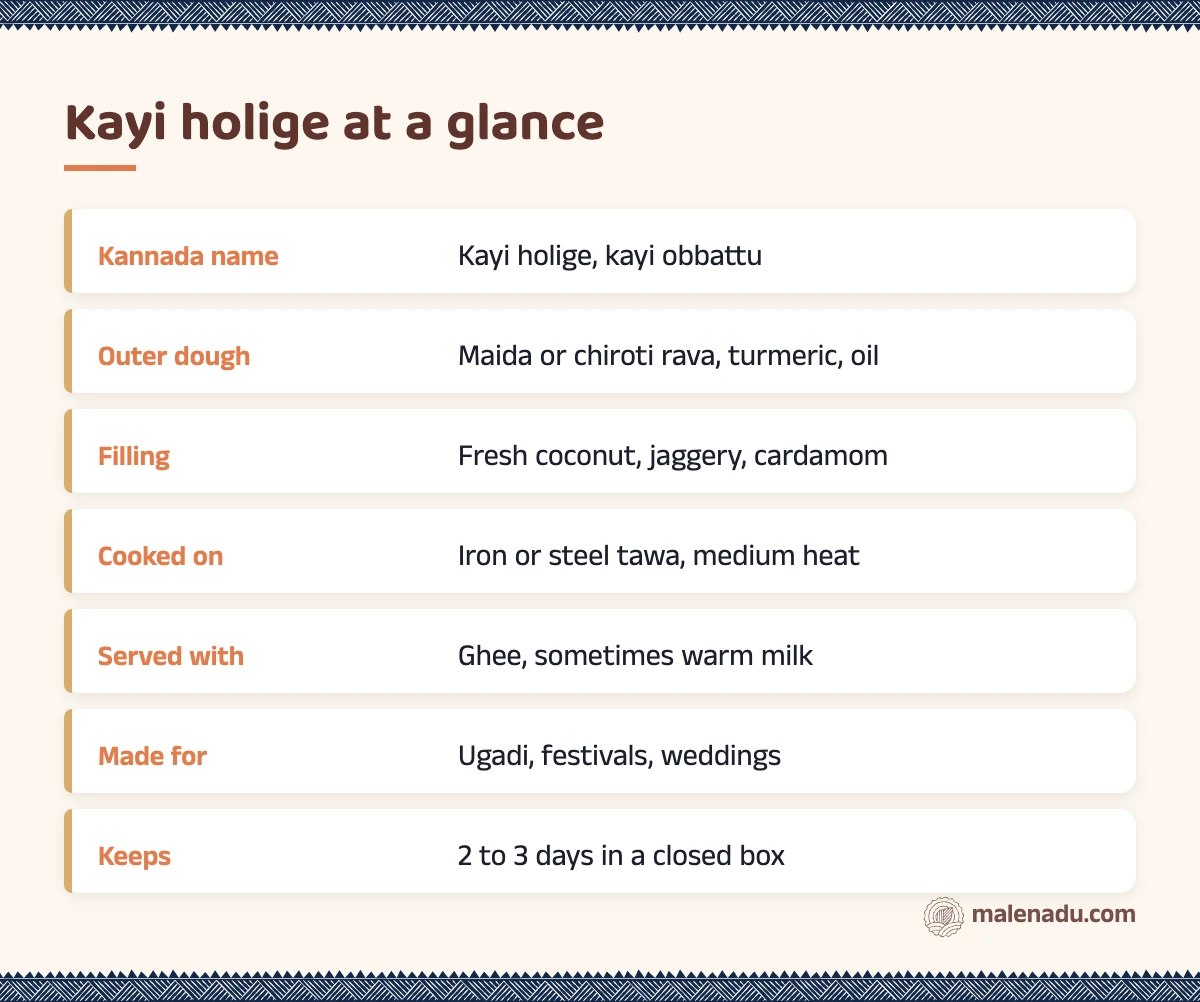
Kayi holige (ಕಾಯಿ ಹೋಳಿಗೆ) is a thin, golden flatbread stuffed with fresh coconut cooked in jaggery and cardamom, rolled out paper thin and roasted on a tawa. Malenadu and coastal homes make it for Ugadi, festivals and weddings and serve it hot with ghee. This page gives a full home recipe, rolling tips and storage advice.
On this page
What is kayi holige?
Kayi holige is a sweet stuffed flatbread made by wrapping a ball of coconut and jaggery filling in a soft, oily dough and rolling it out very thin. Kayi (ಕಾಯಿ) means coconut in Kannada and holige (ಹೋಳಿಗೆ) is the stuffed sweet flatbread. Obbattu is the other Kannada word for the same thing, so kayi obbattu and kayi holige are one dish.
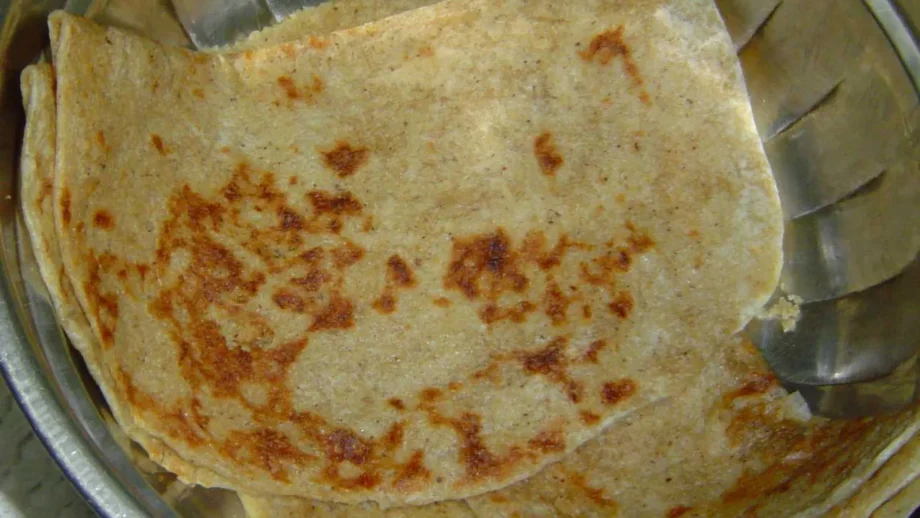
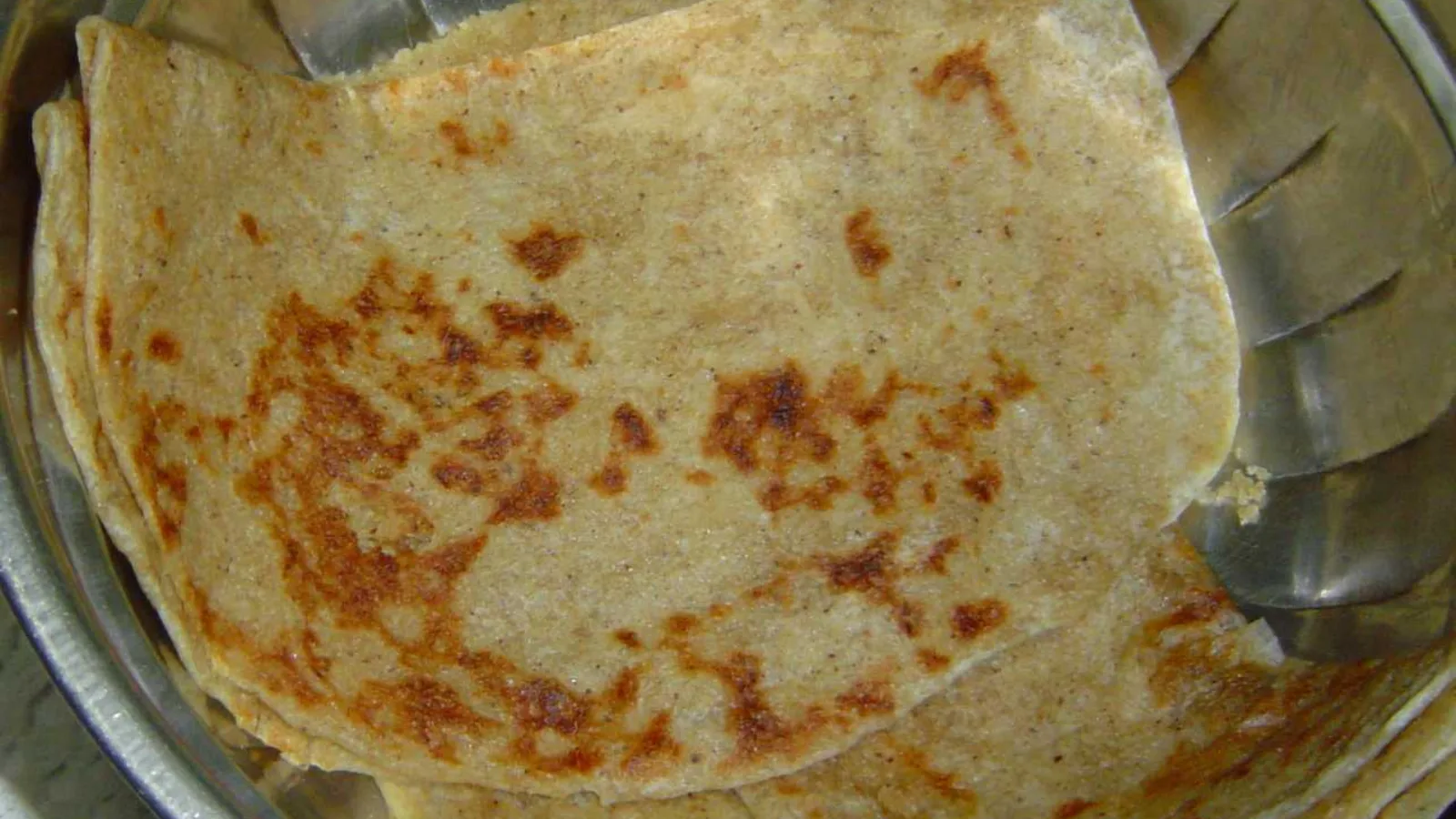
The photo at the top shows a good batch. The holige are thin and pale gold, with brown spots from the tawa and the shadow of the filling showing through. They are stacked on a steel plate and are soft enough to fold.
The outer dough is called kanaka and the filling is called hoorana. Kanaka is made with maida or fine chiroti rava, a pinch of turmeric for colour and a lot of oil. Hoorana is grated fresh coconut cooked with jaggery until dry, then scented with cardamom.
Coconut holige, coconut obbattu and other names
In English menus you will see it as coconut holige, coconut obbattu or coconut poli. Konkani homes along the coast call it narla ubbatti, from narlu (coconut). Tamil homes call it thengai poli. In Maharashtra the same family of flatbread is puran poli, though there the usual filling is chana dal.
Kayi holige vs bele holige: what is the difference?
The difference is the filling: kayi holige is filled with coconut and jaggery, while bele holige is filled with chana dal (kadale bele) and jaggery. The outer dough, the rolling and the roasting are almost the same.
| Kayi holige | Bele holige | |
|---|---|---|
| Filling | fresh grated coconut, jaggery, cardamom | boiled chana dal, jaggery, cardamom |
| Taste | light, juicy, coconut forward | dense, nutty, deeper sweetness |
| Work | coconut is cooked straight in jaggery | dal is boiled, drained and ground first |
| Keeps | a few days, so it can be made ahead | best on the day it is made |
| Side dish | ghee, sometimes warm milk | ghee, milk or holige saaru |
Bele holige comes with a bonus. The water drained from the boiled dal is turned into holige saaru, a sweet and spicy rasam served with the meal. Kayi holige has no saaru of its own, which is one reason it is quicker on a busy festival morning.
Many Malenadu homes make both on big days. Children often prefer the softer coconut one.
When do Malenadu homes make kayi holige?
Kayi holige is made for Ugadi, for other festivals and for weddings and family functions, whenever the cook wants a sweet that feels special. Holige is part of the Ugadi meal across Karnataka, along with bevu bella, the mix of neem flowers and jaggery that the Karnataka Tourism page on Ugadi in Karnataka describes as a reminder that life holds both joy and hardship.
In Malenadu and along the coast the coconut filling is especially common because coconut is the one thing every home has. Karnataka was the largest coconut producing state in India in 2022-23, according to Coconut Development Board statistics. With coconut palms in every thota (garden) and jaggery in every kitchen, coconut holige is the natural festival sweet of these hills.
You will see it on these days:
- Ugadi, the Kannada new year, the biggest holige day of all.
- Other festivals such as Gowri Ganesha, Deepavali and Sankranti, when many homes pick holige as the main sweet.
- Weddings and family functions, where holige with ghee is a classic part of the feast.
Our guide to festivals in these hills explains when each of these falls and what else is cooked.
What you need for coconut holige
For coconut holige you need a soft, well rested dough, a dry and fully cooled filling and a greased sheet to roll on. Getting these three right matters more than any fancy tool.
The dough (kanaka)
Use plain maida with a little chiroti rava, the very fine wheat semolina sold for chiroti. Rava gives the holige a little bite and makes the dough stronger, so it tears less. A pinch of turmeric gives the golden colour you see in the photo.
The dough must be softer than chapati dough, almost sticky. It is kneaded well, then covered in oil and rested for two to three hours. During the rest the gluten relaxes, which is what lets you roll it thin without it shrinking back.
From the malenadu pantry
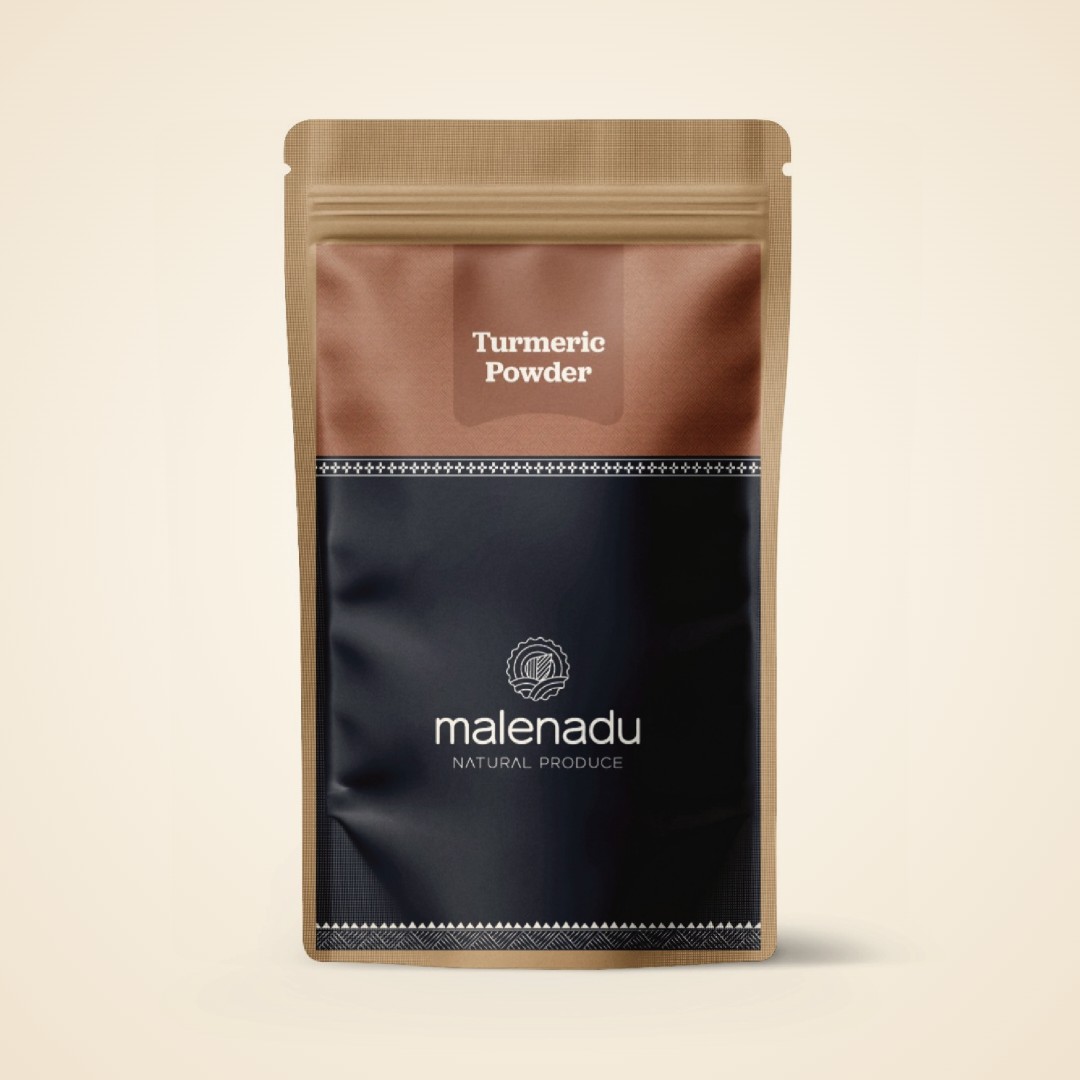
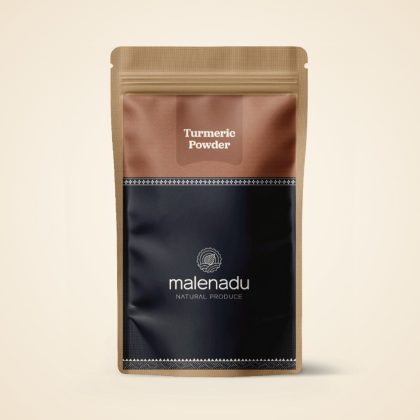
A quarter teaspoon of malenadu Turmeric Powder in the kanaka gives kayi holige its warm golden colour. It adds no strong taste at this amount, just the colour that tells everyone a festival sweet is on the plate.
The filling (hoorana)
Use fresh coconut grated from a mature nut, packed firmly in the cup. Grind it dry in a mixie for a few seconds so the shreds are fine; coarse shreds poke through the dough. Use dark, soft jaggery for colour and cardamom freshly powdered from the pod.
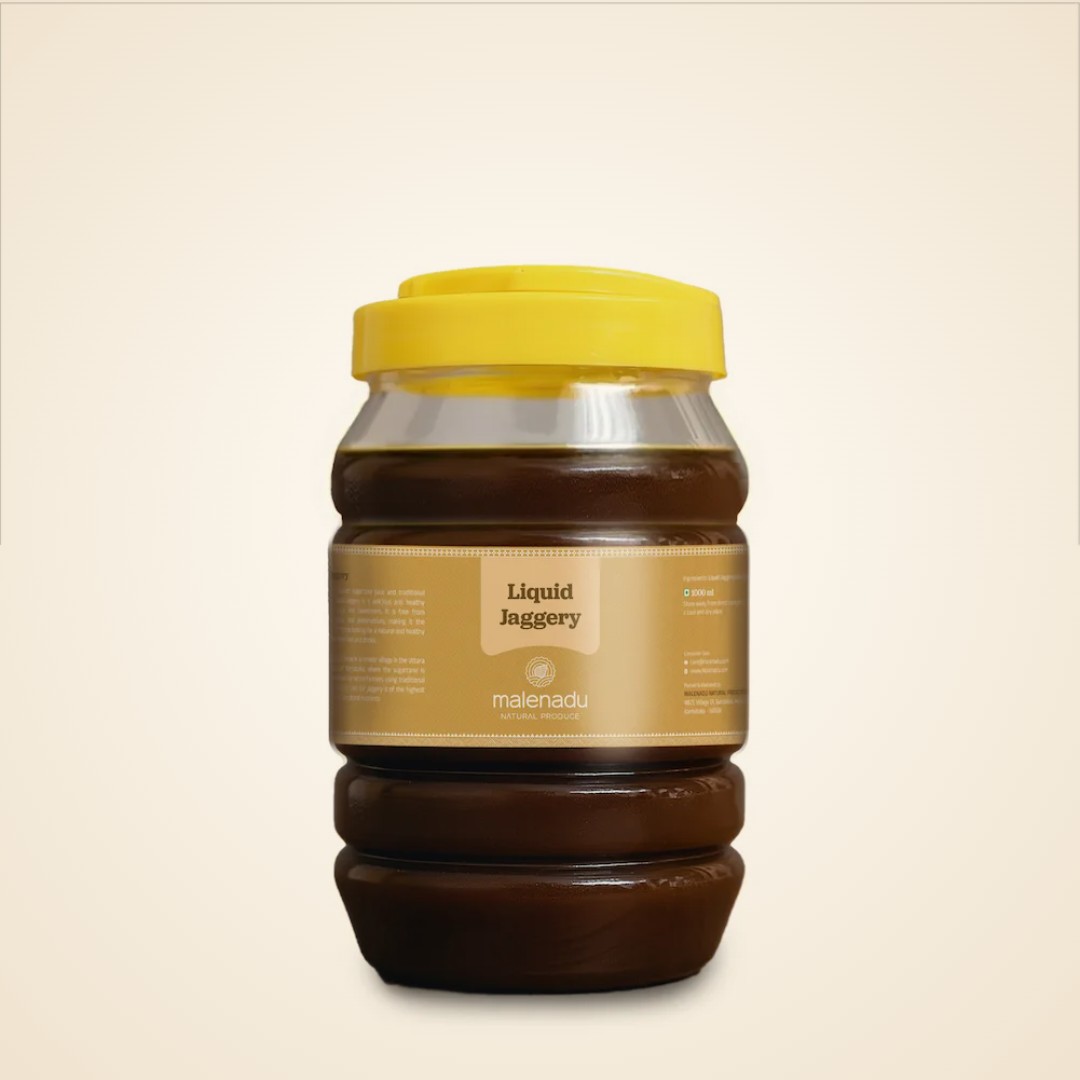
Liquid jaggery works very well here because there is nothing to grate or strain. It does have more water than block jaggery, so cook the filling a few minutes longer until it is properly dry.
From the malenadu pantry
malenadu Liquid Jaggery (joni bella) pours straight into the pan for the hoorana. Use about three quarters of a cup in place of one cup grated jaggery and cook until the coconut leaves the sides of the pan.
How to make kayi holige at home
This kayi holige recipe makes 12 holige, enough for four to six people. Make the dough first so it can rest while you cook and cool the filling. Active work is about an hour.
Recipe card
Kayi Holige
Thin Karnataka festival flatbreads with a turmeric dough and a filling of fresh coconut cooked in jaggery and cardamom, roasted on a tawa and served with ghee.
Ingredients
- 1 cup maida, about 125 g
- 2 tablespoons chiroti rava (fine semolina)
- 1/4 teaspoon turmeric powder
- A pinch of salt
- About 1/2 cup water, added little by little
- 5 tablespoons oil (2 for kneading, 3 to rest the dough in)
- 2 cups fresh grated coconut, firmly packed (about 200 g)
- 1 cup grated jaggery (about 200 g) or 3/4 cup liquid jaggery
- 2 to 3 tablespoons water, for the jaggery
- 1/2 teaspoon cardamom powder (from 5 to 6 pods)
- 1 teaspoon desi cow ghee, for the filling
- Ghee, to roast and to serve
Method
- Mix the maida, chiroti rava, turmeric and salt. Add water a little at a time and mix into a soft, slightly sticky dough. Knead for 5 minutes, add 2 tablespoons oil and knead for 5 minutes more until smooth and stretchy.
- Put the dough in a small bowl, pour 3 tablespoons oil over it so it sits in oil, cover and rest for 2 to 3 hours at room temperature.
- Pulse the grated coconut in a dry mixie jar for a few seconds until fine. Do not add water.
- Melt the jaggery with 2 to 3 tablespoons water on medium heat. Strain it if it has grit, return it to the pan and boil for 2 to 3 minutes until it is thick and sticky.
- Add the coconut and cook on medium low heat, stirring all the time, for 10 to 12 minutes. It is done when the mixture is dry, leaves the sides of the pan and a small piece rolled between your fingers holds as a ball. Stir in the cardamom and 1 teaspoon ghee and cool completely.
- Divide the filling into 12 lemon sized balls. Divide the dough into 12 smaller balls, each about the size of a large gooseberry.
- Grease a banana leaf or plastic sheet with oil. Flatten a dough ball on it with oily fingers into a small round, place a filling ball in the centre, pull the dough over it and pinch it closed. Press it flat with your fingers, then roll gently from the centre outwards into a thin circle of about 7 to 8 inches.
- Heat the tawa on medium. Lift the sheet and flip the holige onto the tawa, peeling the sheet away. Cook for 1 to 2 minutes until golden brown spots appear, flip, add a few drops of ghee and cook the other side the same way. Stack on a plate and serve hot with ghee.
A good kayi holige is thin enough that you can see the filling through it, soft enough to fold in half and spotted gold and brown on both sides. It should not be crisp like a papad.
Tips to roll holige thin without tearing
To roll holige thin without tearing, keep the dough soft and rested, keep the filling dry and cool and roll gently from the middle on a greased sheet. Almost every torn holige comes from one of these going wrong.
- Rest the dough fully. Rushed dough springs back and splits.
- Match the softness. Dough and filling should feel about the same when pressed. A hard filling tears through a soft dough.
- Cool the filling completely. Warm filling is sticky and makes holes.
- Use oil, not flour. Oil lets the dough slide, while dry flour makes the edges crack.
- Roll from the centre. Press lightly outwards and turn the sheet, not the holige.
- Patch it. If the filling peeps out, press a pinch of dough over the spot.
Local tip
Roll each kayi holige on a banana leaf cut to the size of your tawa. You can flip it straight onto the tawa and peel the leaf off, so even a very thin holige reaches the pan in one piece.
How to serve kayi obbattu
Kayi obbattu is served hot off the tawa with a big spoon of ghee on top, which melts into the thin layers. That is the way most Malenadu homes eat it on a festival day.
Ghee is not just a garnish here. The thin dough soaks it up and the coconut filling turns rich and soft.
From the malenadu pantry
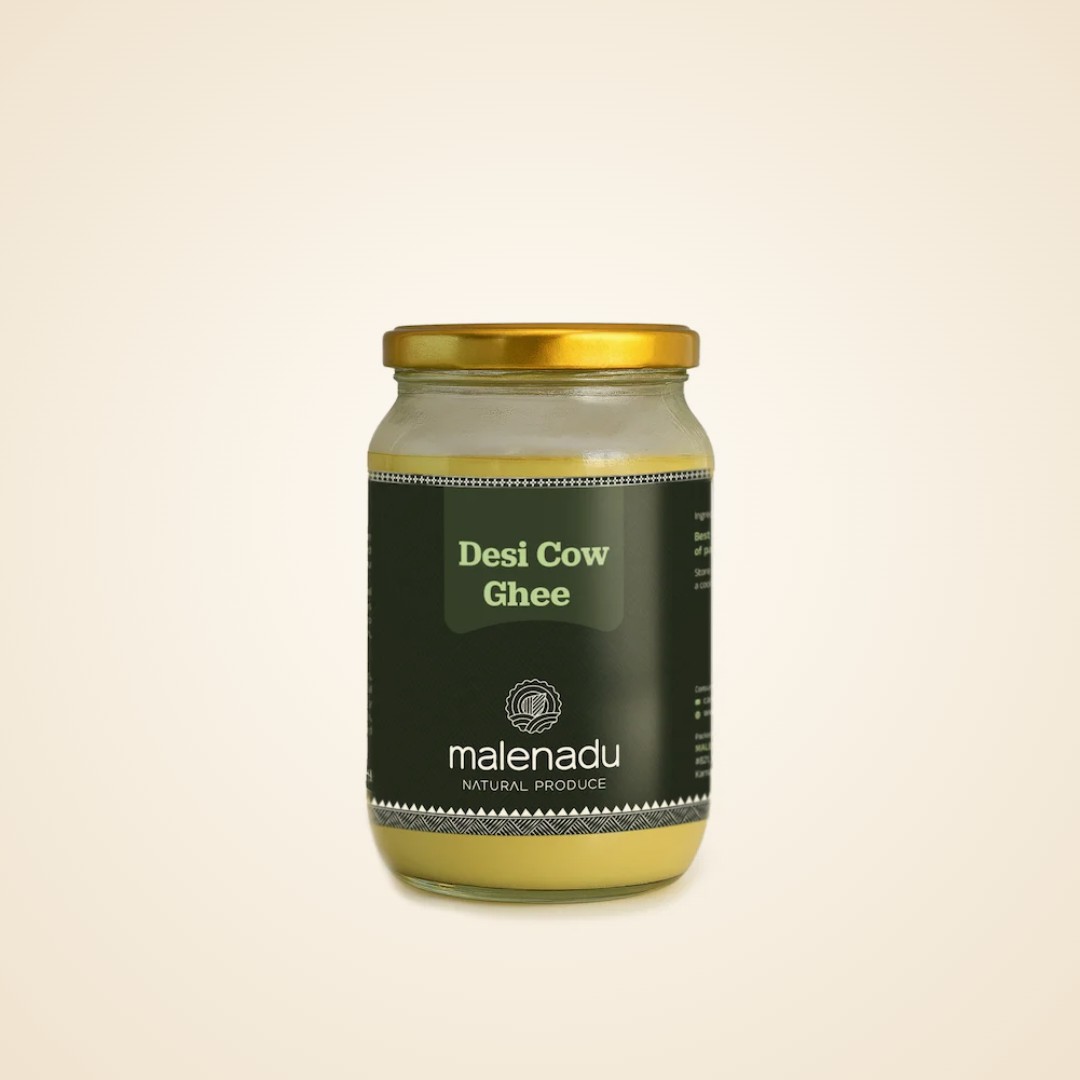
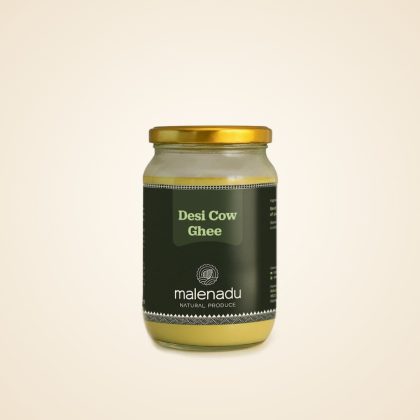
malenadu Desi Cow Ghee is hand churned by farmer families from the milk of desi breeds such as Malenadu Gidda. A spoon on a hot kayi holige is the classic festival plate.
Other ways to serve it:
- With warm milk. Some homes tear the holige into a bowl of warm milk.
- With kayi haalu. Sweet coconut milk with a little jaggery and cardamom, the same one served with ottu shavige, goes very well with it.
- On the festival leaf. At Ugadi and at weddings it sits on the banana leaf with the rest of the feast, often next to payasa and a fried sweet.
- Next day with tea. Warm it on a tawa and eat it as a snack.
Kayi holige contains jaggery, so keep it for older children and adults. Do not give jaggery, sugar or honey to babies under one year.
How to store kayi holige
Kayi holige keeps for two to three days at room temperature in a closed steel box and for about a week in the fridge. This is one of its big advantages over bele holige, which is best eaten the same day.
- Cool before storing. Cool the holige in a single layer first. Hot holige stacked in a box sweat and turn soggy.
- Separate the layers. Put butter paper between them so they do not stick.
- To reheat. Warm each one on a tawa for 20 to 30 seconds a side with a drop of ghee.
- Make the filling early. Cooked hoorana keeps for a few days in the fridge in a clean, dry box, so you can roll fresh holige on the festival morning.
In hot, humid weather on the coast, use the fridge after the first day. Coconut fillings spoil faster than dal fillings once they sit in the warm.
Common coconut obbattu mistakes and fixes
Most coconut obbattu problems come from a filling that is too wet or too hard or from dough that has not rested. The table below shows what went wrong and how to fix it next time.
| Problem | Likely cause | Fix |
|---|---|---|
| Holige tears while rolling | dough not rested or too stiff | rest 2 to 3 hours, keep it soft and oily |
| Filling bursts out | filling wet or warm | cook until dry, cool fully before stuffing |
| Filling hard and chewy | jaggery syrup cooked too long | add coconut while the syrup is still runny |
| Holige turns crisp | tawa too hot or cooked too long | medium heat, 1 to 2 minutes a side |
| Pale, raw patches | tawa not hot enough | heat the tawa well before the first one |
| Coconut shreds poke through | coconut too coarse | pulse it fine in a dry mixie jar |
Local tip
If your filling has turned hard, sprinkle a spoon of water or coconut milk over it and warm it gently for a minute. It softens enough to roll again.
Kayi holige variations
The main kayi holige on this page is the plain coconut, jaggery and cardamom kind shown in the photo. Families in Malenadu and on the coast change it in small ways.
- With poppy seeds. Roasted, ground poppy seeds (gasagase) mixed into the filling make it richer.
- With sesame. A spoon of roasted white sesame adds crunch.
- With a pinch of nutmeg or dry ginger for warmth.
- Wheat flour dough. Half atta and half maida gives a darker, more filling holige.
- Sugar filling. Some homes cook the coconut with sugar instead of jaggery. It is paler and sweeter.
If you are curious how jaggery, sugar and honey differ in the kitchen, our post on jaggery vs sugar vs honey explains it simply.
More festival sweets after kayi holige
Kayi holige is one of several coconut and jaggery sweets made in these hills on festival days. Try the deep fried rice and jaggery kajjaya for Deepavali and the crisp, crescent shaped karjikai for Ganesha Chaturthi. For jaggery and spices, see our natural sweeteners and spices sections. To learn about the hills these recipes come from, read Malenadu in Karnataka.
Bring Malenadu home
Grown and made by Malenadu farmer families, packed by malenadu, a farmer owned producer company in Honnavar.
-
14% OFF
Liquid Jaggery
Original price was: ₹349.₹299Current price is: ₹299. -
19% OFF
Cardamom
Price range: ₹130 through ₹330 -
40% OFF
Desi Cow Ghee
Original price was: ₹1,500.₹899Current price is: ₹899. -
13% OFF
Turmeric Powder
Price range: ₹70 through ₹120 -
24% OFF
Wood Pressed Coconut Oil
Original price was: ₹899.₹679Current price is: ₹679. -
21% OFF
Coconut Jaggery Burfi
Original price was: ₹120.₹95Current price is: ₹95.
Frequently asked questions about kayi holige
What is kayi holige made of?
Kayi holige has an outer dough of maida or fine chiroti rava with turmeric and oil. The filling is of fresh grated coconut cooked with jaggery and cardamom.
Is kayi holige the same as kayi obbattu?
Yes. Holige and obbattu are two Kannada names for the same stuffed sweet flatbread, so kayi holige and kayi obbattu are the same dish.
What is the difference between kayi holige and bele holige?
Kayi holige has a coconut and jaggery filling, while bele holige has a chana dal and jaggery filling. The dough and the roasting are almost the same.
Why does my holige tear while rolling?
The dough has not rested long enough or the filling is harder or wetter than the dough. Rest the dough for 2 to 3 hours in oil and use a dry, fully cooled filling.
How long does kayi holige stay fresh?
It keeps for two to three days at room temperature in a closed box and about a week in the fridge. Warm it on a tawa before eating.
Can I use liquid jaggery for coconut holige?
Yes. Use about three quarters of a cup in place of one cup of grated jaggery and cook the filling a little longer until it is dry.
Why is turmeric added to holige dough?
Turmeric gives the outer dough its golden colour. A quarter teaspoon is enough and does not change the taste.
Can babies eat kayi holige?
Kayi holige contains jaggery, so do not give it to babies under one year. Older children can enjoy it.
Explore more of Malenadu
Malenadu FoodMalenadu FoodRice, kokum, pepper and joni bella from the hills
Malenadu FoodHalasina KadubuSweet jackfruit dumplings steamed in leaves
Malenadu FoodSpices Names in KannadaEnglish, Kannada and Hindi names for a Malenadu kitchen
Malenadu FoodKara KadubuSpicy steamed rice dumplings from Malenadu kitchens
Malenadu FoodKokum SaaruThe sour, peppery everyday rasam of Malenadu homes
Malenadu FoodMenthya TambuliA cool fenugreek and curd side for the first rice course
Malenadu FoodMalenadu FruitsJackfruit, kokum, wild mango and the fruits of the forest
Malenadu FoodKesuvina GojjuThe sweet and sour colocasia leaf relish of the monsoon
Start hereMalenadu in KarnatakaWhere Malenadu is, what the name means