
Malenadu Food
Kajjaya (ಕಜ್ಜಾಯ) is a round, dark golden sweet made from home ground rice flour and jaggery syrup, rested and then deep fried until crisp at the edge and soft and chewy inside. It is the Deepavali sweet of Karnataka homes, Malenadu included. This page explains the syrup test, the rest and the frying, step by step.
On this page
What is kajjaya or athirasa?
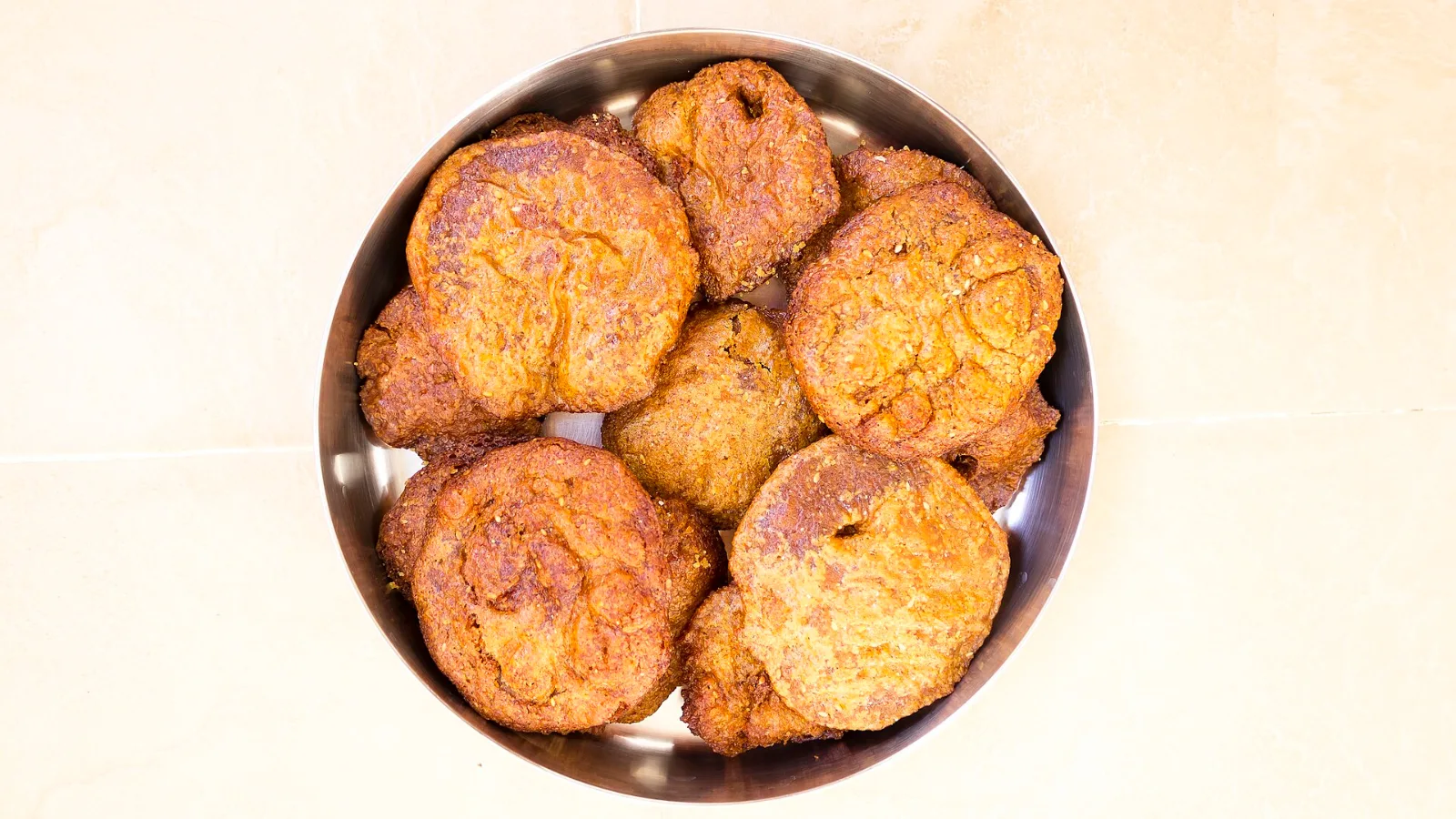
Kajjaya is a thick, round, deep fried disc made from soaked rice flour cooked into a jaggery syrup. The outside is a little crisp and glossy and the inside is soft and chewy. It tastes of jaggery, cardamom and the oil or ghee it was fried in.
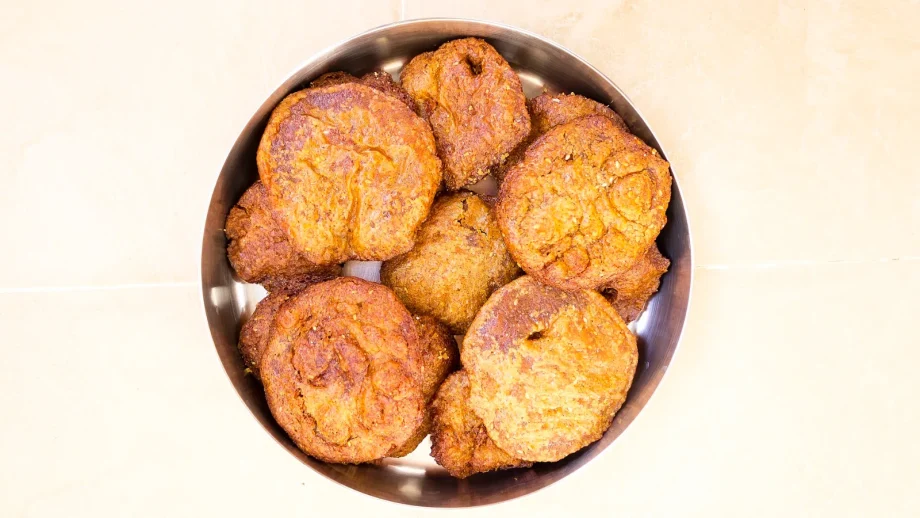
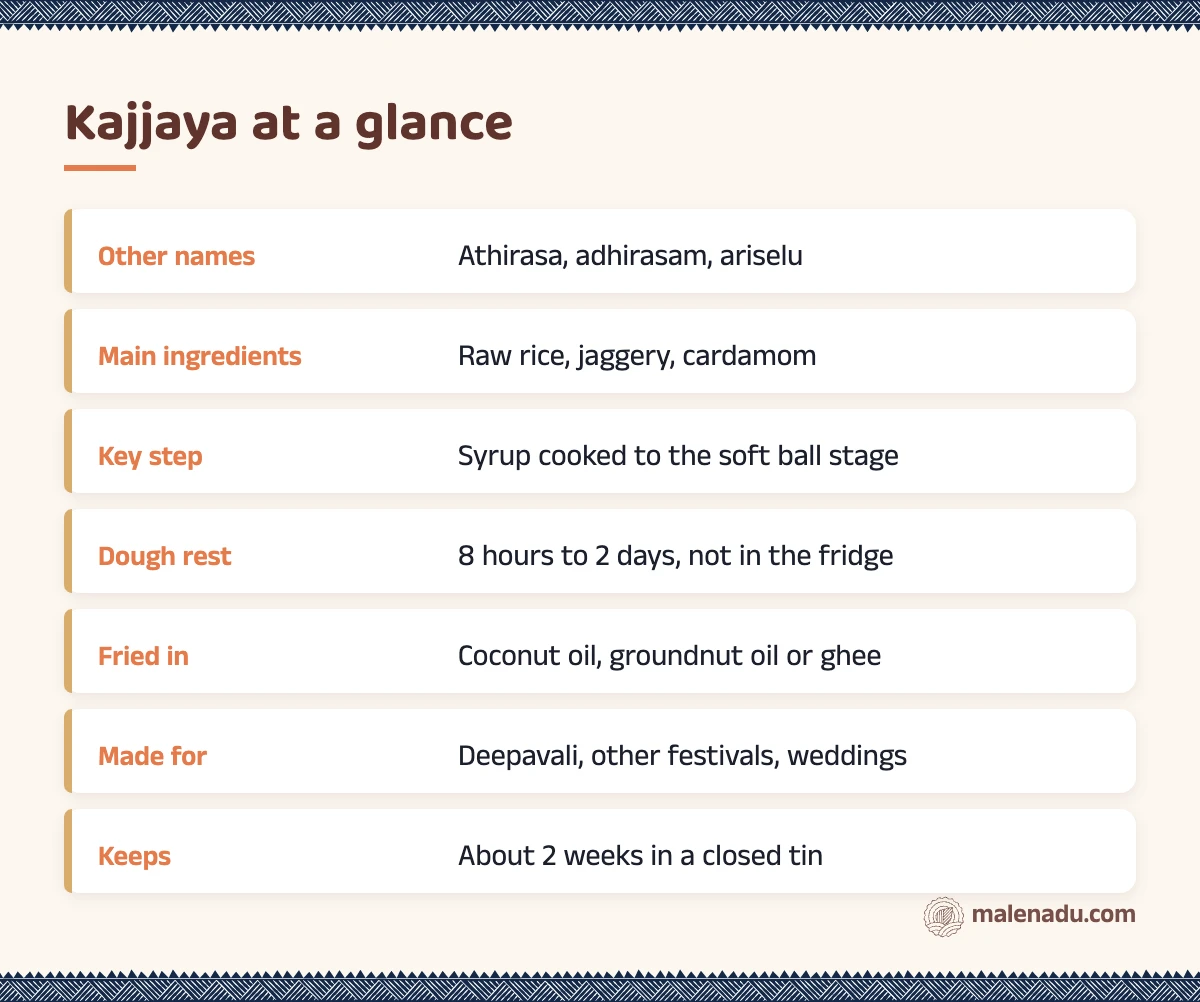
The photo at the top shows what to aim for: round discs about the size of your palm, dark golden brown, with a slightly puffed, uneven surface. That deep colour comes from dark jaggery.
In Kannada it is called kajjaya or athirasa (ಅತಿರಸ), sometimes written atharsa. In Malenadu homes both names are used, often by the same grandmother in the same sentence.
Adhirasam, ariselu and names in other states
The same sweet is made across south India under different names. Tamil Nadu calls it adhirasam and Andhra Pradesh and Telangana call it ariselu. In Maharashtra a close cousin called anarsa is made with rice flour and jaggery and coated in poppy seeds. Odisha has arisa pitha.
The method changes a little from place to place. Ariselu is usually rolled in sesame seeds before frying, while the Karnataka sweet is mostly plain or has a few sesame or poppy seeds mixed in. The core is the same everywhere: rice, jaggery, a soft ball syrup and hot oil.
When is kajjaya made in Karnataka?
Kajjaya is made mainly for Deepavali in Karnataka, along with other festival days and weddings. Families make a big batch for the festival and share it with neighbours, friends and relatives, often next to savoury snacks like chakli and nippattu.
A Tribune India food feature notes that it is made especially for Deepavali, Sankranti and Nag Panchami. It is believed to have started in temple kitchens as an offering before it became a home sweet. In many homes it is still offered to the gods first, as naivedya, before anyone eats it.
In Malenadu, Deepavali comes as the rains end and the kitchen fills with festival cooking. Athirasa is one of the sweets made days ahead because it keeps well. Weddings are the other big occasion for it. Our page on festivals in the hills tells you what else is cooked for each one.
Why the rice is soaked and dried in the shade
For this sweet the rice is soaked for three to four hours, drained and dried in the shade until it is damp but not wet, then ground to a fine flour. This fresh, slightly moist flour is the base of the kajjaya recipe. It is the reason the homemade sweet is soft inside.
Older homes pounded the damp rice in a stone mortar (oralu) with a long wooden pestle (onake), then sifted it through a fine sieve. Today most people use a dry mixie jar or a flour mill. Either way, the flour must be fine. Coarse flour makes grainy discs that crack in the oil.
Do not dry the rice in the sun or until it is bone dry. The little moisture left in it helps the flour take in the syrup. Many cooks also avoid packet rice flour, which is too dry and too finely milled and gives a hard result.
- Which rice. Plain raw rice such as sona masuri or a local dose rice. Do not use basmati.
- How long to dry. About 30 to 45 minutes spread thin on a clean cotton cloth indoors.
- How to test. The rice should feel cool and damp and leave no wet patch on your palm.
- Grind straight away. Damp flour does not keep. Grind it and use it the same day.
The kajjaya syrup test: how to get the soft ball stage right
The jaggery syrup must be cooked to the soft ball stage: when you drop a little into a bowl of cold water, it should gather into a soft ball that holds its shape between your fingers but squashes easily. This is the step where most batches fail.
Here is how to test it:
- Keep a small bowl of cold water next to the stove.
- After the syrup has boiled for 5 to 8 minutes and looks thick and frothy, drop half a teaspoon into the water.
- Wait a few seconds, then try to gather it with your fingertips.
- Read the result with the table below. Test every 30 seconds once the syrup gets close.
| What you see in the water | Stage | What to do |
|---|---|---|
| Syrup spreads and dissolves | too thin | keep boiling and test again |
| Forms soft threads, will not gather | one or two string | keep boiling |
| Gathers into a soft ball that flattens when pressed | soft ball | correct, lower the heat and add flour |
| Forms a firm ball or cracks | hard ball | too far, add 2 tablespoons water and reboil |
What goes wrong when the syrup is off:
- Undercooked syrup. The dough stays loose and the discs spread, dissolve or break up in the oil.
- Overcooked syrup. The dough sets hard. The discs will not puff and turns hard and chewy once cool.
Local tip
Jaggery changes from batch to batch, so time alone is never enough. Always do the water test. Take the pan off the heat while the drop is in the bowl so the syrup does not race past the stage.
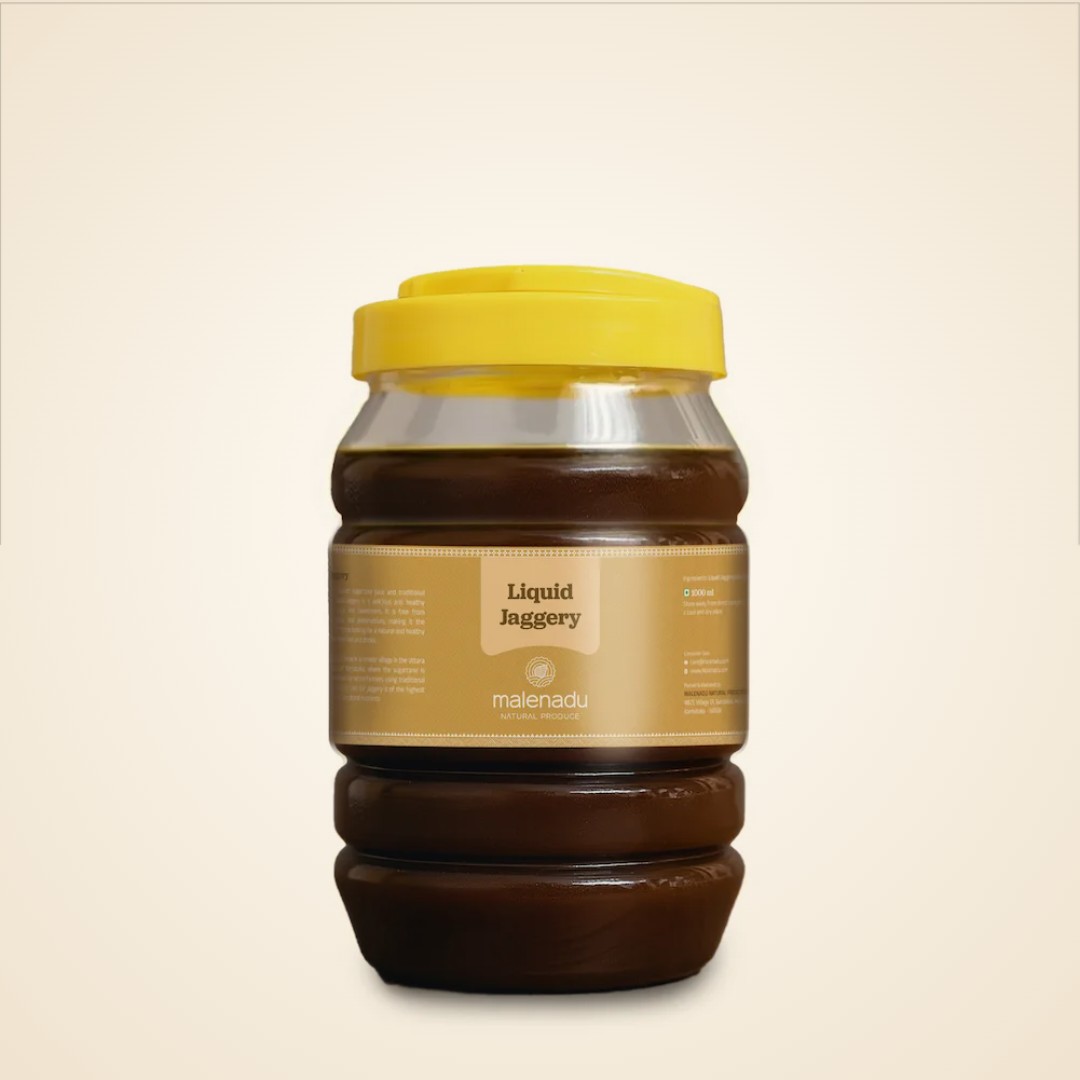
Liquid jaggery is easy to work with here because it is already melted and has no grit to strain out. It has more water than block jaggery, so it takes a few more minutes to reach the soft ball stage.
From the malenadu pantry
malenadu Liquid Jaggery (joni bella) pours straight into the pan for the syrup. Use about 3/4 cup with only a spoon or two of water, boil it and test for the soft ball stage in cold water as usual.
Kajjaya recipe: how to make it at home
This kajjaya recipe makes 12 to 14 pieces. Plan it over two days: soak and grind on day one, make the dough and let it rest overnight, then fry the next day. The active work is under an hour.
Recipe card
Kajjaya
Karnataka Deepavali sweet of fresh rice flour cooked into a soft ball jaggery syrup with cardamom, rested and deep fried into dark golden discs.
Ingredients
- 1 cup raw rice (sona masuri or dose rice), about 200 g
- 3/4 cup grated dark jaggery (about 150 g) or 3/4 cup liquid jaggery
- 1/4 cup water (only 1 to 2 tablespoons if using liquid jaggery)
- 1/2 teaspoon cardamom powder (from 5 to 6 pods)
- 1 teaspoon white sesame seeds (optional)
- 1 teaspoon poppy seeds (optional)
- 1 tablespoon desi cow ghee
- Coconut oil or groundnut oil for deep frying, about 2 cups
Method
- Wash the rice and soak it in plenty of water for 3 to 4 hours. Drain well and spread it thin on a cotton cloth indoors for 30 to 45 minutes, until damp but not wet.
- Grind the damp rice to a fine flour in a dry mixie jar, a little at a time. Sieve it and grind the coarse bits again. You will get about 1 1/2 cups flour. Mix in the cardamom, sesame and poppy seeds.
- Melt the jaggery with the water on medium heat. Strain out any grit and return the syrup to a heavy pan.
- Boil on medium heat for 5 to 8 minutes, stirring now and then, until the syrup reaches the soft ball stage when tested in cold water.
- Turn the heat to the lowest. Add the flour a few spoons at a time, stirring hard so no lumps form. Stop when the mixture is like a thick, sticky batter that just holds its shape; you may not need all the flour. Stir in the ghee and turn off the heat. It will look loose now and firm up as it rests.
- Move the dough to a greased steel or glass bowl, cover and rest at room temperature for at least 8 hours, ideally a full day. Do not put it in the fridge.
- Next day, heat the oil on medium. Grease your palms and a banana leaf or plastic sheet. Take a lemon sized ball of dough and pat it into a disc about 3 inches wide and 1/4 inch thick.
- Slide the disc into the oil and fry for 1 to 2 minutes a side, spooning oil over the top, until dark golden. Lift it out and press it between two flat ladles or under a steel cup on a plate to squeeze out extra oil. Drain on paper and cool.
Fry only one or two at a time. They are soft when they come out of the oil and firm up as they cool, so do not judge the texture straight from the pan.
Hot oil safety: make sure your hands, the ladles and the leaf are dry, keep water away from the pan and keep children out of the kitchen while you fry.
Why does kajjaya dough need to rest?
The dough rests so the rice flour can soak up the jaggery syrup fully and firm up into something you can shape. Fresh dough is loose and sticky. Discs made from it spread in the oil, soak up too much of it or fall apart.
After 8 hours to a day at room temperature, the dough turns smooth, a little firm and easy to pat, like soft chapati dough. Many families say the flavour is better too. Some make the dough two days ahead. A rested dough also fries more evenly, so the discs colour the same all over.
Keep it in a covered steel or glass bowl, greased on top. The fridge makes the dough too hard to work with. If it does turn stiff, knead in a spoon of warm water or a little mashed ripe banana.
How hot should the oil be for frying kajjaya?
The oil should be at medium heat, whether you fry in coconut oil, groundnut oil or ghee. It should be hot enough that a small test piece rises to the top steadily within a few seconds, but not so hot that it browns at once.
| Oil | What it gives |
|---|---|
| Coconut oil | the usual choice on the coast and in Malenadu, a light coconut smell |
| Groundnut oil | neutral taste, common in the plains |
| Ghee | the richest, festival style batch, often for naivedya |
From the malenadu pantry
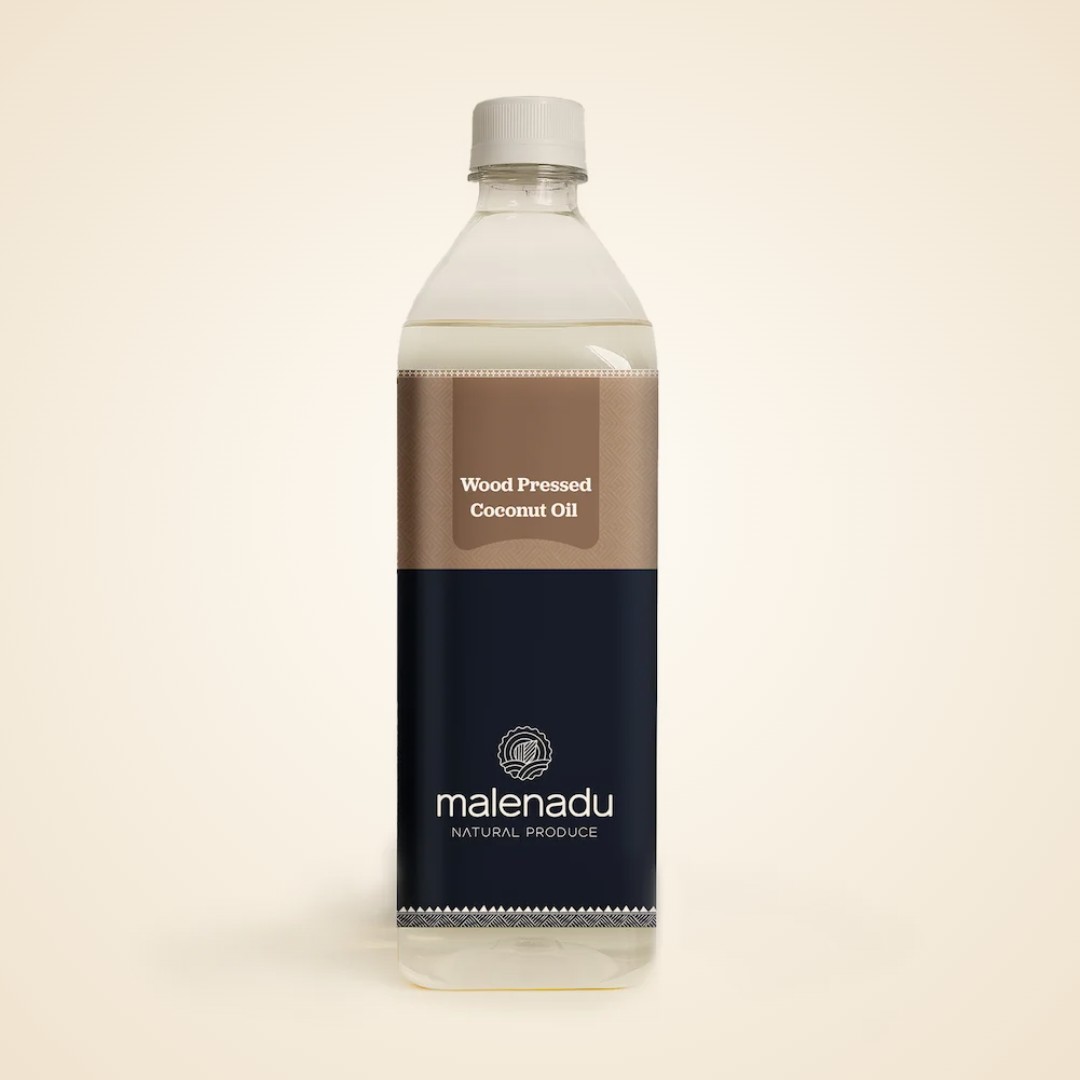
malenadu Wood Pressed Coconut Oil is pressed from sun dried copra in a wooden ghani. Frying athirasa in it gives the gentle coconut smell many Malenadu homes expect from festival sweets.
Frying in ghee is the older and costlier way, saved for naivedya or a wedding. Many families fry in oil and only put a spoon of ghee in the dough.
From the malenadu pantry
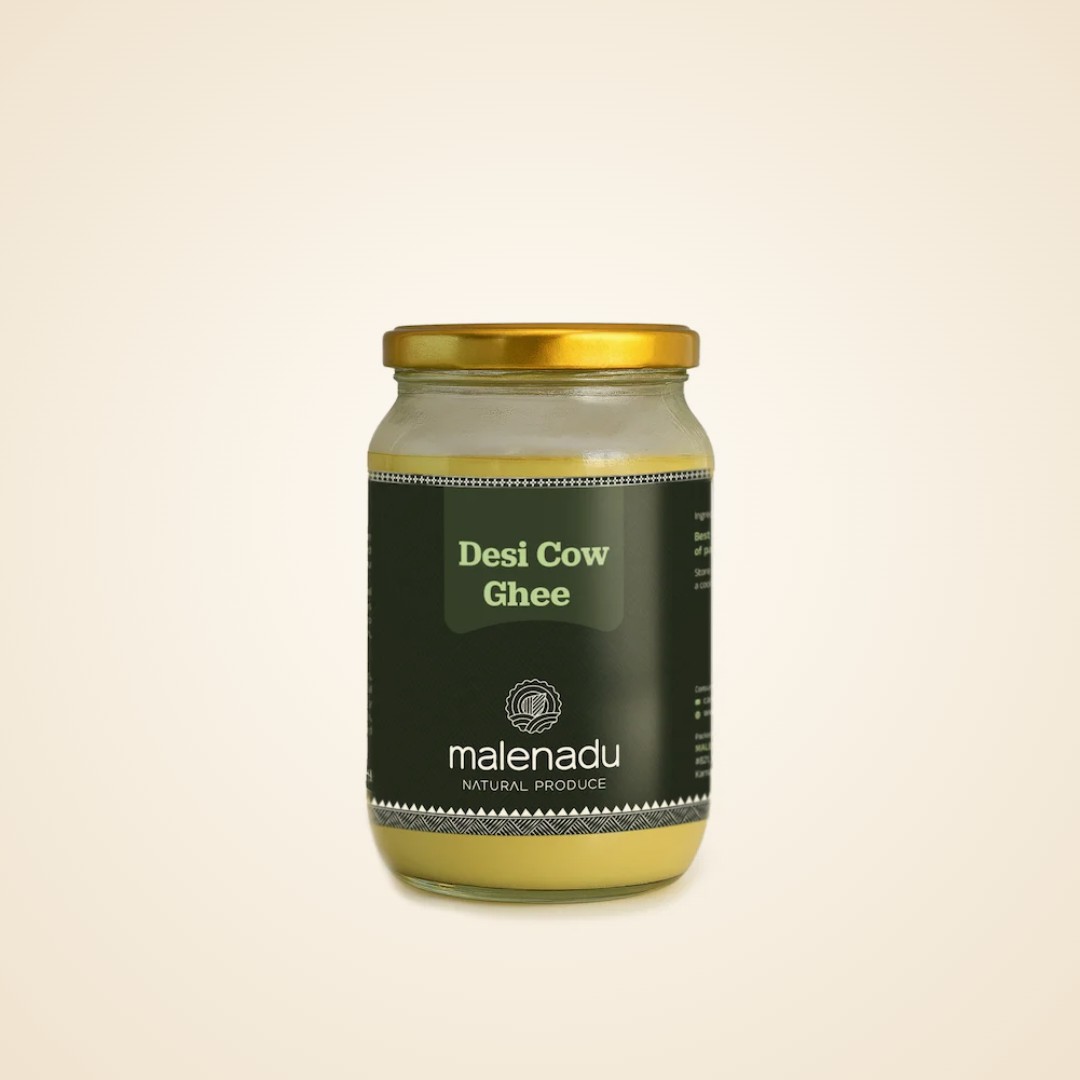
malenadu Desi Cow Ghee is hand churned by farmer families from the milk of desi breeds such as Malenadu Gidda. A tablespoon in the dough makes the discs softer. Some homes fry the naivedya batch in ghee.
Why press them? The discs soak up oil like a sponge while they fry. Pressing each hot disc between two flat ladles squeezes the extra oil back out, so they are less greasy and keep longer. Press gently; too hard and the soft centre breaks.
Common kajjaya mistakes and how to fix them
Most kajjaya problems come from the syrup, the flour or the oil temperature. Find your problem below.
| Problem | Likely cause | Fix |
|---|---|---|
| Dissolves or spreads in the oil | syrup undercooked or dough too loose | knead in a spoon of rice flour, test the syrup next time |
| Breaks into pieces while frying | dough too dry or not rested | knead in a teaspoon of maida or wheat flour, rest longer |
| Hard and chewy when cool | syrup overcooked | knead in warm water or mashed banana |
| Burnt outside, raw inside | oil too hot | fry on medium, test with a small piece |
| Very oily | oil not hot enough, not pressed | heat oil properly, press between ladles |
| Grainy texture | flour too coarse | sieve and regrind the flour |
Local tip
Fry one test kajjaya before shaping the whole batch. If it spreads, add a spoon of flour to the dough. If it cracks, add a spoon of warm water. Then shape the rest.
How to store kajjaya
Kajjaya keeps for about two weeks in an airtight steel tin at room temperature. Cool every piece fully before you close the tin. Trapped steam makes them soft and they may spoil.
- Room temperature. Up to two weeks in a dry, closed tin.
- The dough. Unfried dough keeps for many days in a covered bowl at room temperature, so many homes fry a few fresh whenever guests come.
- To soften. Day old kajjaya firm up. Warm them for a few seconds on a tawa if you like them soft.
This sweet contains jaggery, so keep it for older children and adults. Do not give jaggery, sugar or honey to babies under one year.
Kajjaya variations
The main recipe on this page is the plain rice, jaggery and cardamom kind shown in the photo. Homes add small touches of their own.
- Pepper. A pinch of crushed black pepper in the flour gives a gentle warmth that cuts the sweetness.
- Coconut. A tablespoon of grated dry coconut in the dough.
- Sesame coat. Press the discs in white sesame before frying, the ariselu way.
- More cardamom. Freshly crushed cardamom instead of ready powder for a stronger smell. Small cardamom is native to the Western Ghats. The ICAR Indian Institute of Spices Research names Kerala and Karnataka as its main growing states.
- With banana. A ripe banana mashed into the dough for a softer, sweeter piece.
More festival sweets after kajjaya
On the Deepavali plate it sits next to other sweets made in these hills. Try the coconut filled flatbread kayi holige and the crisp, crescent shaped karjikai. For a savoury crunch on the side, make jackfruit chips in season. You can find jaggery in our natural sweeteners section, frying oil in oil and ghee and read about the region on our page on Malenadu in Karnataka.
Bring Malenadu home
Grown and made by Malenadu farmer families, packed by malenadu, a farmer owned producer company in Honnavar.
-
14% OFF
Liquid Jaggery
Original price was: ₹349.₹299Current price is: ₹299. -
40% OFF
Desi Cow Ghee
Original price was: ₹1,500.₹899Current price is: ₹899. -
24% OFF
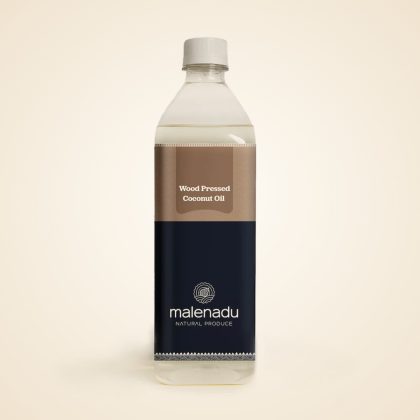
Wood Pressed Coconut Oil
Original price was: ₹899.₹679Current price is: ₹679. -
19% OFF
Cardamom
Price range: ₹130 through ₹330 -
8% OFF
Black Pepper
Price range: ₹165 through ₹299 -
21% OFF
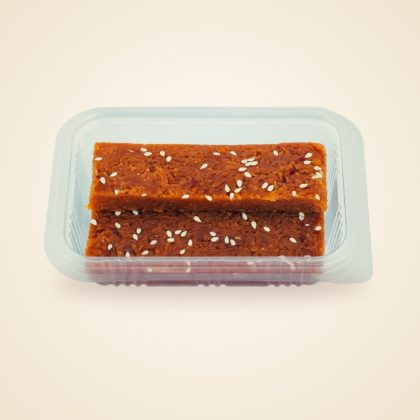
Coconut Jaggery Burfi
Original price was: ₹120.₹95Current price is: ₹95.
Frequently asked questions about kajjaya
What is kajjaya made of?
Kajjaya is made of raw rice flour, jaggery syrup and cardamom, shaped into discs and deep fried in oil or ghee.
Are kajjaya, athirasa and adhirasam the same?
Yes. Kajjaya and athirasa are the Kannada names, adhirasam is the Tamil name and ariselu is the Telugu name for the same rice and jaggery sweet.
Why did my kajjaya dissolve in the oil?
The jaggery syrup did not reach the soft ball stage or the dough was too loose. Knead in a spoon of rice flour and fry a test piece first.
Why is my kajjaya hard?
The syrup was cooked past the soft ball stage. Knead the dough with a little warm water or mashed banana before frying.
How long should kajjaya dough rest?
At least 8 hours and ideally a full day at room temperature. Do not keep it in the fridge.
Can I use store bought rice flour for kajjaya?
It is better to grind your own from soaked and shade dried rice. Packet flour is too dry and usually gives a harder sweet.
How long does kajjaya last?
Fully cooled kajjaya keep for about two weeks in an airtight tin at room temperature.
When is kajjaya made in Karnataka?
It is made mainly for Deepavali, as well as for other festivals and weddings.
Explore more of Malenadu
Malenadu FoodMalenadu FoodRice, kokum, pepper and joni bella from the hills
Malenadu FoodHalasina KadubuSweet jackfruit dumplings steamed in leaves
Malenadu FoodSpices Names in KannadaEnglish, Kannada and Hindi names for a Malenadu kitchen
Malenadu FoodKara KadubuSpicy steamed rice dumplings from Malenadu kitchens
Malenadu FoodKokum SaaruThe sour, peppery everyday rasam of Malenadu homes
Malenadu FoodMenthya TambuliA cool fenugreek and curd side for the first rice course
Malenadu FoodMalenadu FruitsJackfruit, kokum, wild mango and the fruits of the forest
Malenadu FoodKesuvina GojjuThe sweet and sour colocasia leaf relish of the monsoon
Start hereMalenadu in KarnatakaWhere Malenadu is, what the name means