
Malenadu Food
Karjikai (ಕರ್ಜಿಕಾಯಿ) is a crisp, half moon shaped pastry with a crimped edge, filled with roasted coconut, sugar or jaggery, roasted gram, poppy seeds and cardamom, then deep fried until golden. Karnataka homes, Malenadu included, make it for Ganesha Chaturthi and Deepavali. This page gives a full recipe and the fixes for bursting.
On this page
What is karjikai?
Karjikai is a small deep fried pastry made by folding a thin round of maida dough over a sweet coconut filling into a half moon and sealing the edge with a crimp. The shell is crisp and flaky. The filling inside is dry, crumbly and sweet, scented with cardamom.
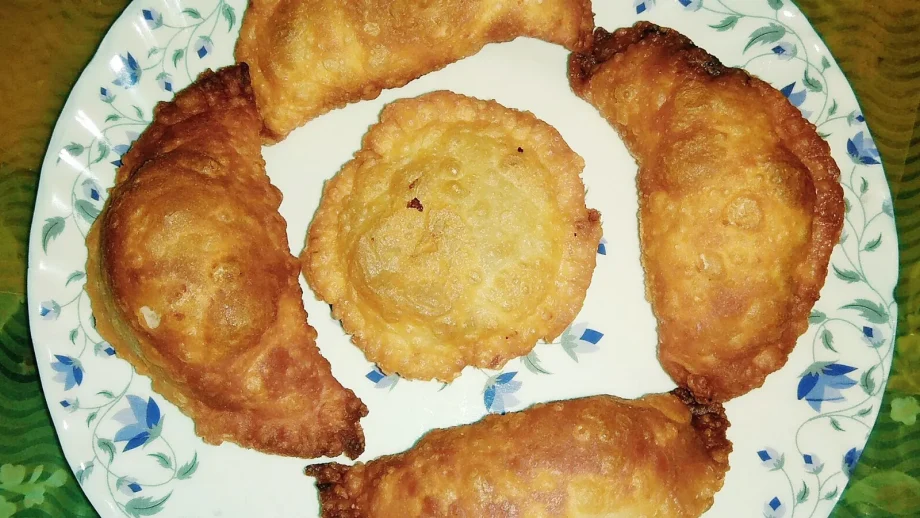
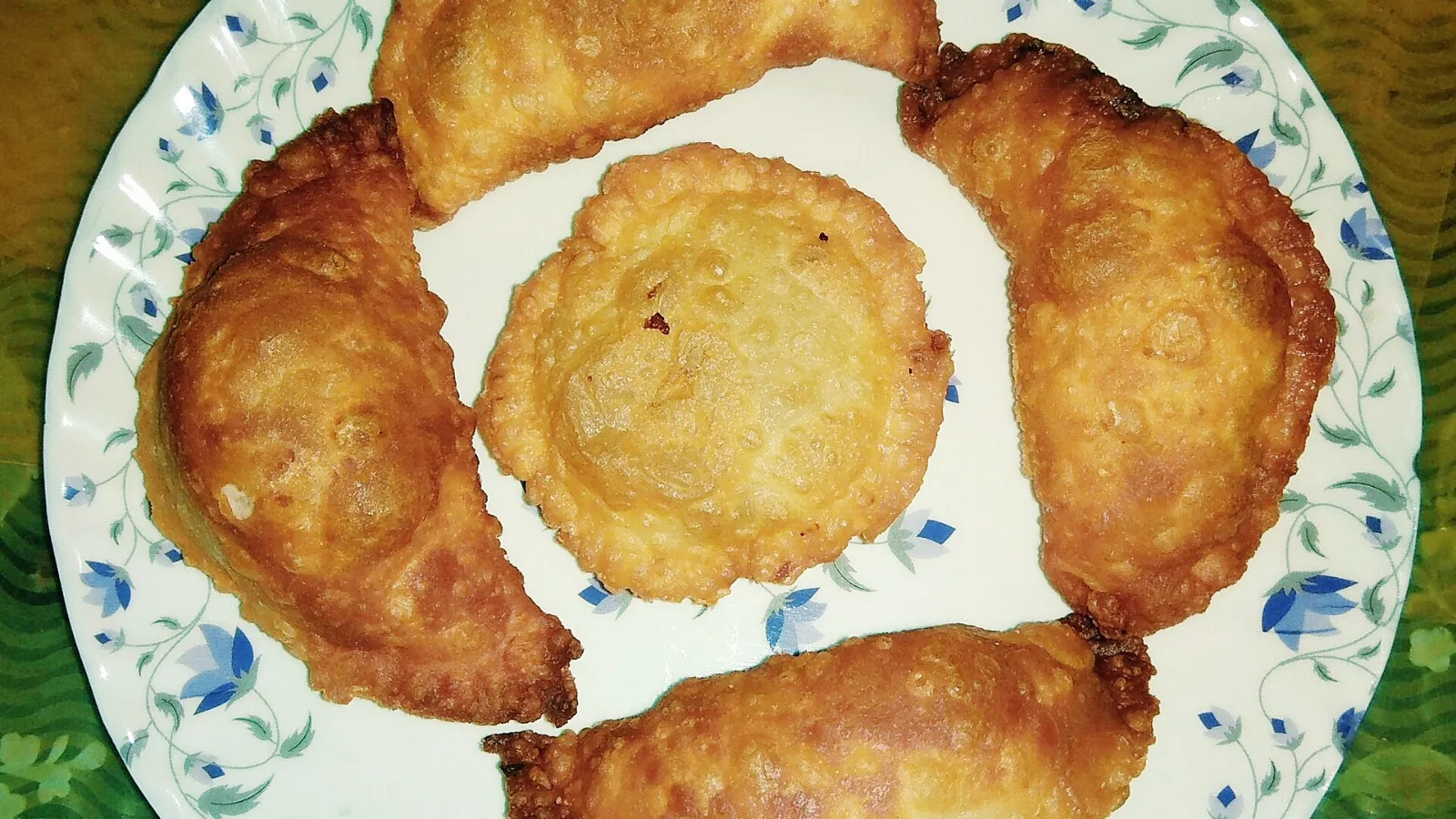
The photo at the top of this page shows the classic look: golden crescents with a rope like crimped edge, piled on a plate. The shell has small bubbles on the surface from frying and no dark patches. That is what you get from a stiff dough, a thin roll and medium heat.
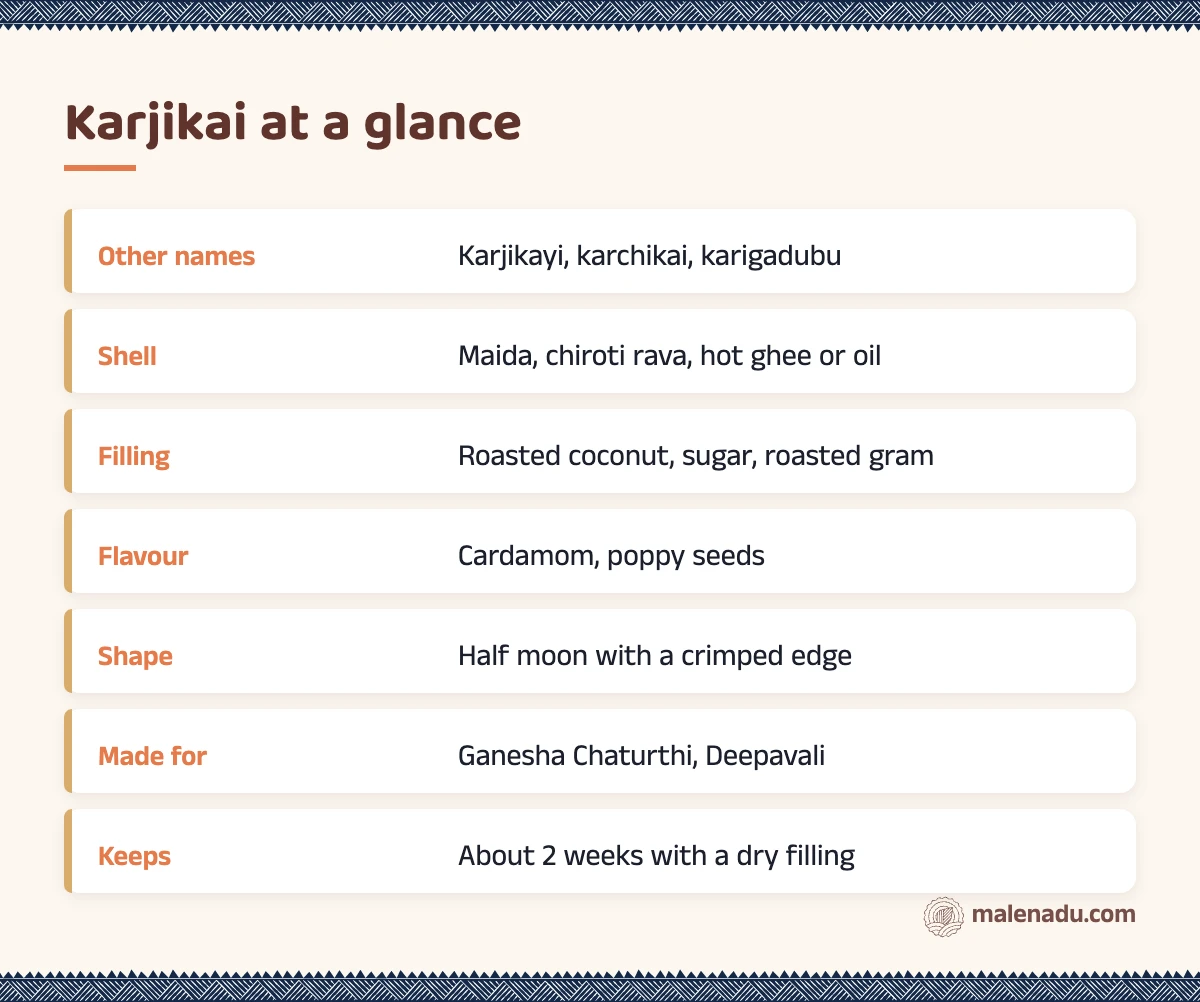
The name is also written karjikayi or karchikai. In Udupi and coastal homes you will often hear karchikai. Because the usual filling is coconut (kayi), some people say kayi karjikai to tell it apart from versions with dal or dry fruit fillings. Some homes also call it karigadubu, which simply means a fried kadubu.
Karjikayi, karchikai and names in other states
The same crescent pastry is made across India. Maharashtra calls it karanji, Andhra Pradesh and Telangana call it kajjikayalu, Tamil Nadu calls it somas and north India calls it gujiya. The fillings change from place to place. North Indian gujiya is often filled with khoya, while karjikai in Karnataka is almost always filled with coconut.
When is karjikai made?
Karjikai is made mainly for Ganesha Chaturthi and Deepavali in Karnataka. A Deccan Herald food feature describes it as a sweet traditionally made for Ganesha Chaturthi in Karnataka. Many homes also make it for Dasara.
For Gowri Ganesha, the crescents sit on the naivedya plate next to modaka, chakli and other fried snacks. Because it keeps for days, it is made ahead and shared with relatives and neighbours who visit through the festival. At Deepavali it joins the box of homemade sweets alongside kajjaya.
In Malenadu and along the coast the filling is coconut because every home has coconut palms. Karnataka was the largest coconut producing state in India in 2022-23, according to Coconut Development Board statistics. Our page on festivals in the hills explains when each festival falls and what else is cooked.
The dough and filling for kayi karjikai
For kayi karjikai you need a stiff, smooth dough rubbed with hot fat and a dry, cool, crumbly filling. These two choices decide whether the pastries turn out crisp and whole or soft and burst.
The dough
The dough is maida with a little fine chiroti rava and a pinch of salt. Hot ghee or oil is poured over the flour and rubbed in with your fingers before any water goes in. This step, called moyan in many kitchens, is what makes the shell flaky. Rava adds crunch.
The dough must be stiffer than chapati dough. A soft dough soaks up oil and turns soggy after a day. Rest it for 30 minutes under a damp cloth so it rolls thin without shrinking back.
From the malenadu pantry
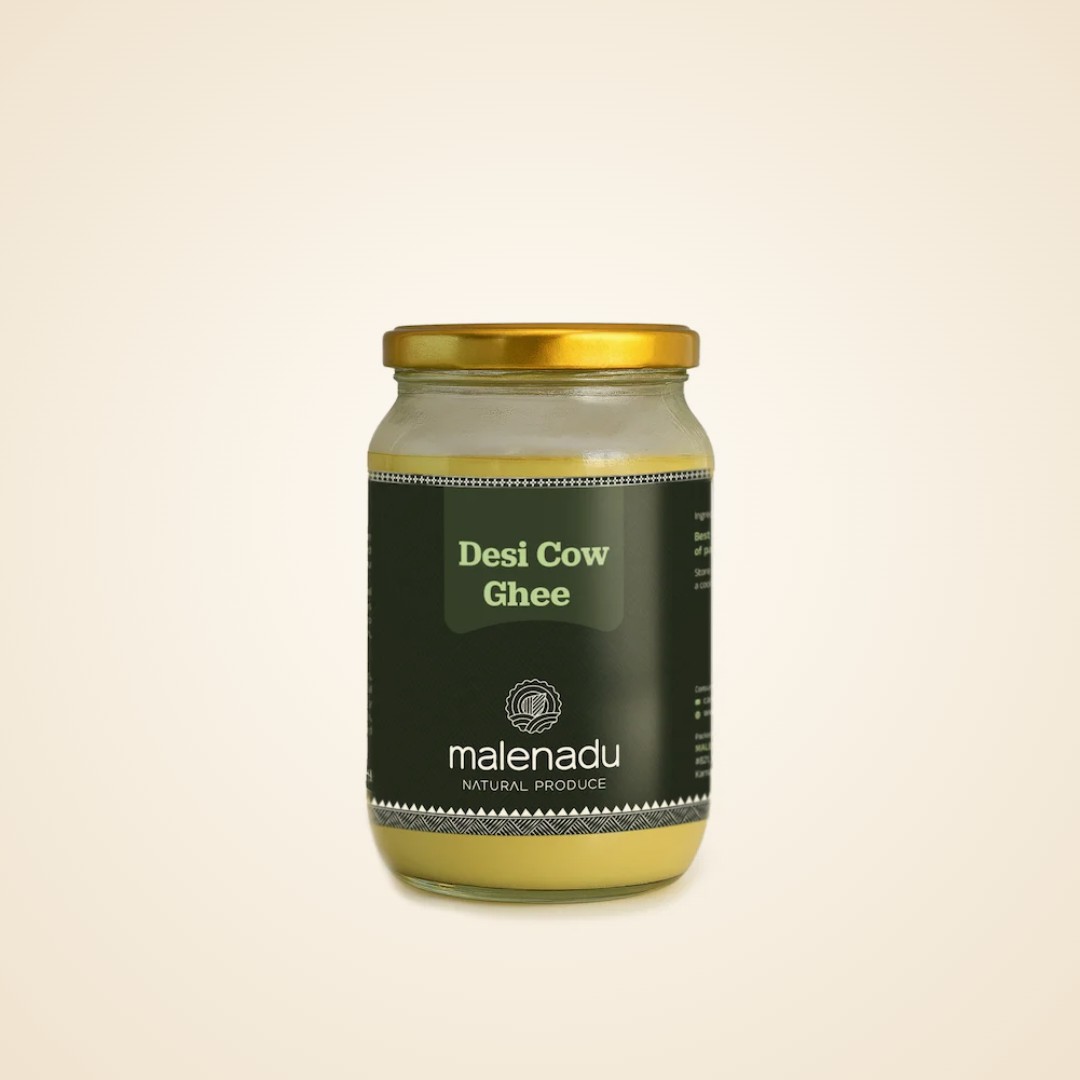
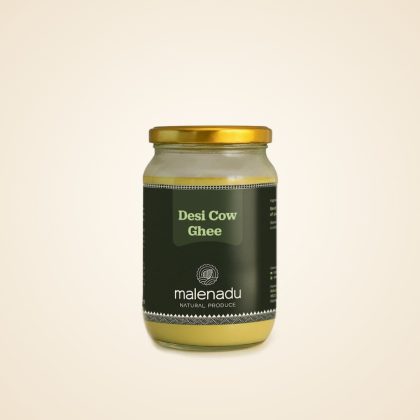
malenadu Desi Cow Ghee is hand churned by farmer families from the milk of desi breeds such as Malenadu Gidda. Two tablespoons of it, heated and rubbed into the flour, give the shell flakiness and a rich smell.
The filling
The classic Karnataka filling is dry. Grated dry coconut (copra) is roasted until it smells toasty, then mixed with powdered sugar, powdered roasted gram (hurigadale or putani), roasted poppy seeds (gasagase) and cardamom. A dry filling keeps longest and never turns the shell soggy.
You can use fresh coconut too. Roast it in a dry pan on low heat for 10 to 12 minutes, stirring, until all its moisture is gone and it turns light golden. Any dampness left will turn to steam in the oil, which is one of the main causes of bursting.
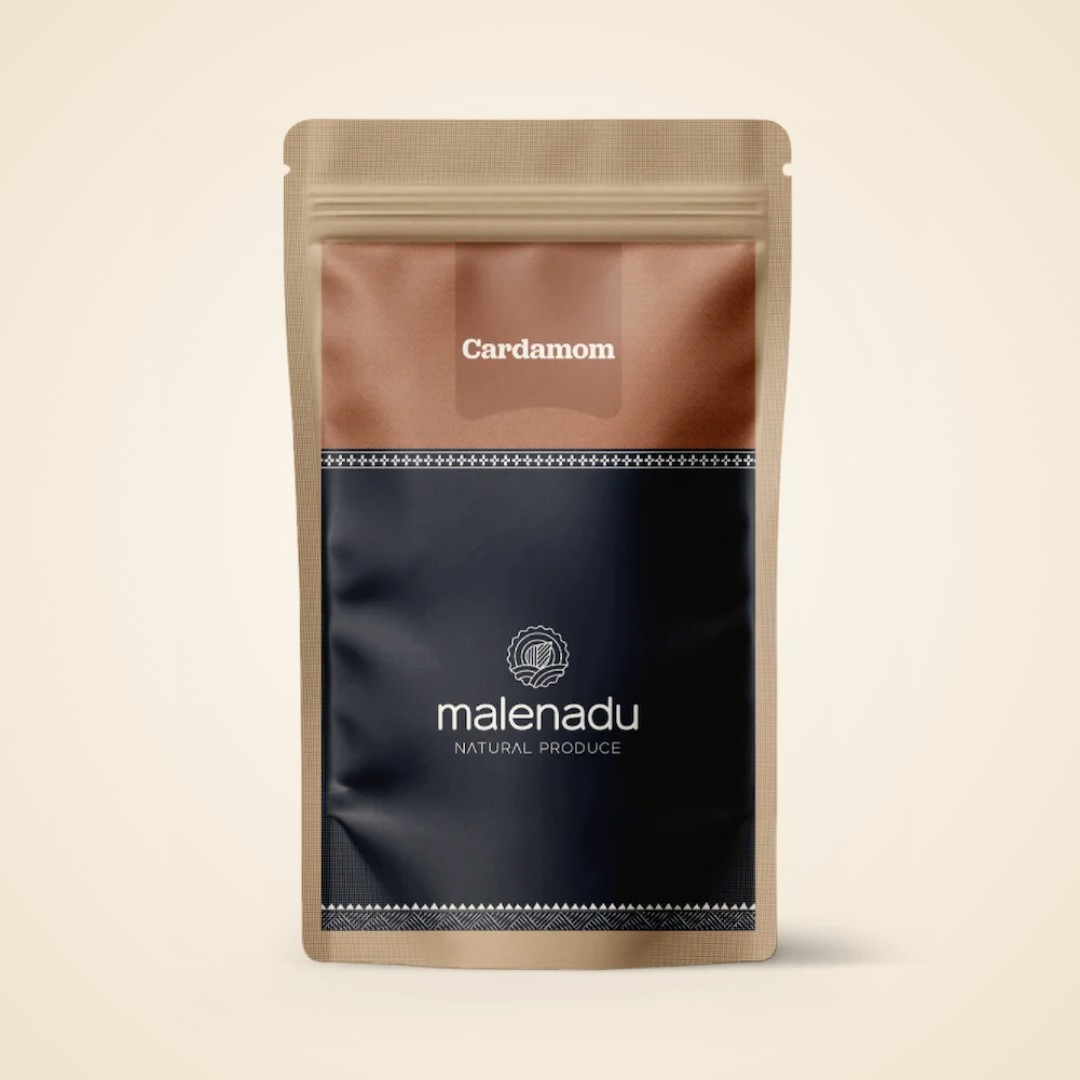
Cardamom is the main flavour of the filling. Small cardamom is native to the evergreen forests of the Western Ghats. The ICAR Indian Institute of Spices Research names Kerala and Karnataka as its main growing states.
From the malenadu pantry
Powder five or six pods of malenadu Cardamom with the sugar and roasted gram. Freshly powdered pods scent the whole batch far more than ready powder does.
How to make karjikai at home
This karjikai recipe makes about 20 pieces. You need about an hour and a half in all, including resting time. Make the filling while the dough rests so both are ready together.
Recipe card
Karjikai
Crisp Karnataka half moon pastries of maida and chiroti rava, filled with roasted coconut, sugar, roasted gram, poppy seeds and cardamom, crimped and deep fried on medium heat.
Ingredients
- 1 cup maida, about 125 g
- 1/4 cup chiroti rava (fine semolina)
- A pinch of salt
- 2 tablespoons desi cow ghee or oil, heated
- About 1/3 cup water, added little by little
- 1 cup grated dry coconut (copra) or 1 1/2 cups fresh grated coconut
- 1/3 cup roasted gram (hurigadale)
- 1/2 cup sugar or 1/2 cup powdered jaggery
- 1 tablespoon poppy seeds
- 1/2 teaspoon cardamom powder (from 5 to 6 pods)
- 2 tablespoons chopped cashews (optional)
- Coconut oil or groundnut oil for deep frying, about 2 cups
Method
- Mix the maida, chiroti rava and salt in a bowl. Heat the ghee until hot, pour it over the flour and rub it in with your fingertips until the flour looks like wet sand.
- Add water a spoon at a time and knead into a stiff, smooth dough, firmer than chapati dough. Cover with a damp cloth and rest for 30 minutes.
- Roast the coconut in a dry pan on low heat, stirring, until it is crisp and light golden. Dry copra takes 3 to 4 minutes and fresh coconut 10 to 12 minutes. Cool it.
- Roast the poppy seeds for a minute until they crackle. Powder the roasted gram, sugar and cardamom together in a mixie. Mix with the coconut, poppy seeds and cashews. The filling should be dry and loose.
- Knead the rested dough for a minute and divide into 20 small balls. Keep them covered.
- Roll one ball into a very thin round of about 4 inches. Put 1 heaped teaspoon of filling on one half, keeping the edge clear. Wet the edge with a finger dipped in water, fold over into a half moon and press out the air as you seal.
- Crimp the edge by folding and pinching it over itself all along. You can also press it with a fork. If using a mould, lay the round in the mould, fill, wet the edge, close and trim. Keep the shaped pieces under a damp cloth.
- Heat the oil on medium. Fry 3 or 4 at a time on medium low heat, turning and splashing oil over them, for 4 to 6 minutes until crisp and light golden all over. Drain on a rack or paper and cool completely before storing.
Hot oil safety: keep your hands, the filling and the tools dry, never let water drip into the pan and keep children away from the stove while you fry.
A good karjikai sounds hollow when tapped, snaps cleanly when bitten and has no oil pooled inside. The filling should stay loose and crumbly. If the shell is soft or chewy, it was fried too fast on high heat.
How to crimp the edge by hand
To crimp karjikai by hand, pinch a small piece of the sealed edge between your thumb and finger, fold it over onto itself and repeat all along the curve, so the edge looks like a twisted rope. It takes some practice, but it is the strongest seal there is.
- Seal the half moon first by pressing the wet edges together firmly.
- Start at one corner. Pinch the edge, fold the tip down over itself and press.
- Move a little along, pinch again and fold over the last fold.
- Carry on to the other corner and tuck the end under.
Keep the folds small and close together. If you have no time to learn, a fork pressed all along the edge or a karjikai mould gives a good seal too. Many homes make the first batch with a mould and let the children practise the hand crimp on the rest.
Why does karjikai burst while frying?
Karjikai bursts when air or moisture trapped inside turns to steam in the hot oil and forces the seal open. A weak seal, too much filling or very hot oil makes it worse.
The main causes and how to stop them:
- Trapped air. Press the air out with your fingers as you fold, starting from the fold side and moving to the edge.
- Damp filling. Roast fresh coconut until fully dry and let the filling cool before using it.
- Weak seal. Wet the edge lightly with water and press firmly. Then crimp it, which folds the edge over itself and locks it.
- Filling on the edge. Keep a clear border of dough. Even a few grains of sugar on the edge stop it sealing.
- Too much filling. One heaped teaspoon for a 4 inch round is enough. An overstuffed piece stretches thin at the fold.
- Oil too hot. Fry on medium low. Very hot oil makes the steam expand fast, before the shell sets.
Local tip
Pierce nothing and prick nothing. Unlike puri, these must stay sealed. If one opens in the oil, lift it out at once so the filling does not burn and spoil the oil for the rest.
How to keep karjikai crisp
To keep karjikai crisp, use a stiff dough with hot fat rubbed in, roll it thin, fry slowly on medium low heat and cool every piece fully before you store it. Each of these steps matters.
- Hot fat in the flour. Rubbing in hot ghee or oil before the water makes the shell short and flaky.
- Rava in the dough. A little chiroti rava keeps the shell crunchy for days.
- Thin rolling. A thick shell stays doughy in the middle and turns chewy.
- Slow frying. Medium low heat cooks the shell right through. On high heat the outside browns and the inside stays soft.
- Full cooling. Cool on a rack or a plate in one layer. Warm pastries shut in a tin sweat and soften.
- Dry filling. The dry copra and sugar filling keeps the shell crisp much longer than a wet jaggery one.
If they do turn soft after a few days, warm them in a low oven or an air fryer for a few minutes, then cool. Do not fry them again.
How to store karjikai
Karjikai with a dry coconut and sugar filling keeps for about two weeks in an airtight tin at room temperature. Versions made with a moist fresh coconut and jaggery filling keep for only two to three days at room temperature.
- Store only after they are completely cold.
- Use a steel tin or glass jar with a tight lid. Keep it away from the stove.
- Put a sheet of paper at the bottom to catch any oil.
- In the rainy months, check them after a week. Damp air softens them faster.
This sweet contains sugar or jaggery, so keep it for older children and adults. Do not give sugar, jaggery or honey to babies under one year.
Karjikai variations
The main recipe on this page is the dry coconut, sugar and roasted gram kind shown in the photo. Families make many other versions.
- Fresh coconut and jaggery. Cook fresh grated coconut with jaggery and cardamom until dry and sticky, like a holige filling. It is softer and darker but keeps for only a few days. Liquid jaggery works well for this because there is nothing to grate.
- Sesame. Add 2 tablespoons roasted white sesame to the dry filling.
- Dry fruits. Chopped cashews, almonds and raisins for a richer, festive filling.
- Nutmeg. A pinch of grated nutmeg along with the cardamom gives a warm, deep smell.
- Baked. Brush with ghee and bake until golden. It is lighter but less flaky.
- Rava filling. Some homes roast fine rava in ghee and mix it with sugar and coconut.
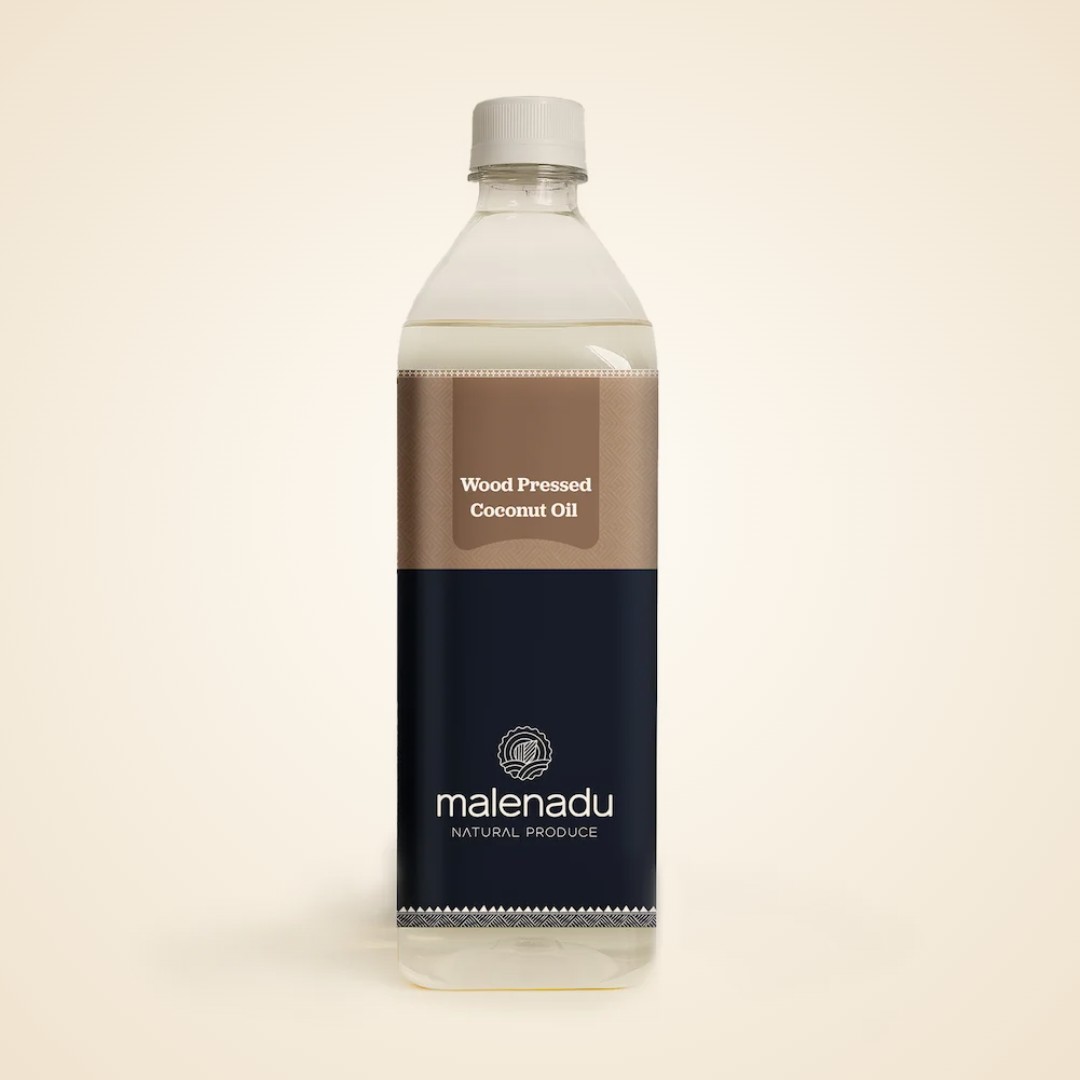
Frying in coconut oil is the usual way on the coast and in Malenadu. It gives a faint coconut smell that suits the filling.
From the malenadu pantry
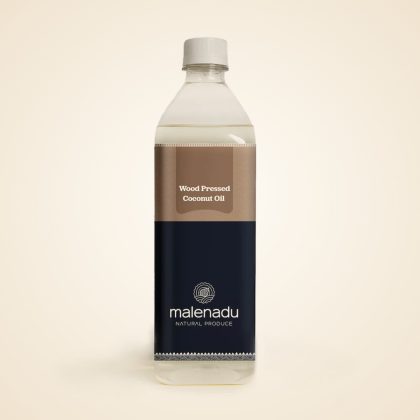
malenadu Wood Pressed Coconut Oil is pressed from sun dried copra in a wooden ghani. Frying slowly in it gives a clean, light shell with the gentle coconut smell of a Malenadu festival kitchen.
More festival sweets after karjikai
It is one of several coconut sweets made in these hills on festival days. Try the soft, coconut filled flatbread kayi holige and the deep fried rice and jaggery kajjaya linked above. For a savoury snack in the same tin, make jackfruit chips. You can find frying oil and ghee in our oil and ghee section and read about the region on our page on Malenadu in Karnataka.
Bring Malenadu home
Grown and made by Malenadu farmer families, packed by malenadu, a farmer owned producer company in Honnavar.
-
19% OFF
Cardamom
Price range: ₹130 through ₹330 -
14% OFF
Liquid Jaggery
Original price was: ₹349.₹299Current price is: ₹299. -
40% OFF
Desi Cow Ghee
Original price was: ₹1,500.₹899Current price is: ₹899. -
24% OFF
Wood Pressed Coconut Oil
Original price was: ₹899.₹679Current price is: ₹679. -
8% OFF
Nutmeg
Original price was: ₹60.₹55Current price is: ₹55. -
21% OFF
Coconut Jaggery Burfi
Original price was: ₹120.₹95Current price is: ₹95.
Frequently asked questions about karjikai
What is karjikai made of?
It has a shell of maida and fine rava with hot ghee rubbed in and a filling of roasted coconut, sugar or jaggery, roasted gram, poppy seeds and cardamom.
Why does my karjikai burst in oil?
Air or moisture trapped inside turns to steam and opens the seal. Press out the air, use a dry filling, seal and crimp well and fry on medium low heat.
How do I keep karjikai crisp?
Use a stiff dough with hot ghee rubbed in, roll it thin, fry slowly and cool fully before storing in an airtight tin.
Is karjikai the same as karanji and gujiya?
Yes, they are the same family of crescent pastry. Karjikai is the Karnataka name, karanji the Marathi name and gujiya the north Indian name, with fillings that vary by region.
Can I make karjikai with fresh coconut?
Yes. Roast the fresh coconut until fully dry or cook it with jaggery until dry. A fresh coconut filling keeps only two to three days.
How long does karjikai last?
With a dry coconut and sugar filling it keeps for about two weeks in an airtight tin at room temperature.
Can I make karjikai without a mould?
Yes. Fold the round into a half moon, seal it and crimp the edge by hand or with a fork.
When is karjikai made in Karnataka?
It is made mainly for Ganesha Chaturthi and Deepavali. Many homes also make it for Dasara.
Explore more of Malenadu
Malenadu FoodMalenadu FoodRice, kokum, pepper and joni bella from the hills
Malenadu FoodHalasina KadubuSweet jackfruit dumplings steamed in leaves
Malenadu FoodSpices Names in KannadaEnglish, Kannada and Hindi names for a Malenadu kitchen
Malenadu FoodKara KadubuSpicy steamed rice dumplings from Malenadu kitchens
Malenadu FoodKokum SaaruThe sour, peppery everyday rasam of Malenadu homes
Malenadu FoodMenthya TambuliA cool fenugreek and curd side for the first rice course
Malenadu FoodMalenadu FruitsJackfruit, kokum, wild mango and the fruits of the forest
Malenadu FoodKesuvina GojjuThe sweet and sour colocasia leaf relish of the monsoon
Start hereMalenadu in KarnatakaWhere Malenadu is, what the name means