
Malenadu Food
Kesuvina gojju is a thick, sweet, sour and spicy relish made from tender colocasia leaves, cooked soft with a strong sour, then simmered with a roasted spice paste and jaggery. It is monsoon food in Malenadu homes. This page gives a recipe that works, explains how to stop the leaves from itching and shares five variations.
On this page
What is kesuvina gojju (colocasia leaf gojju)?
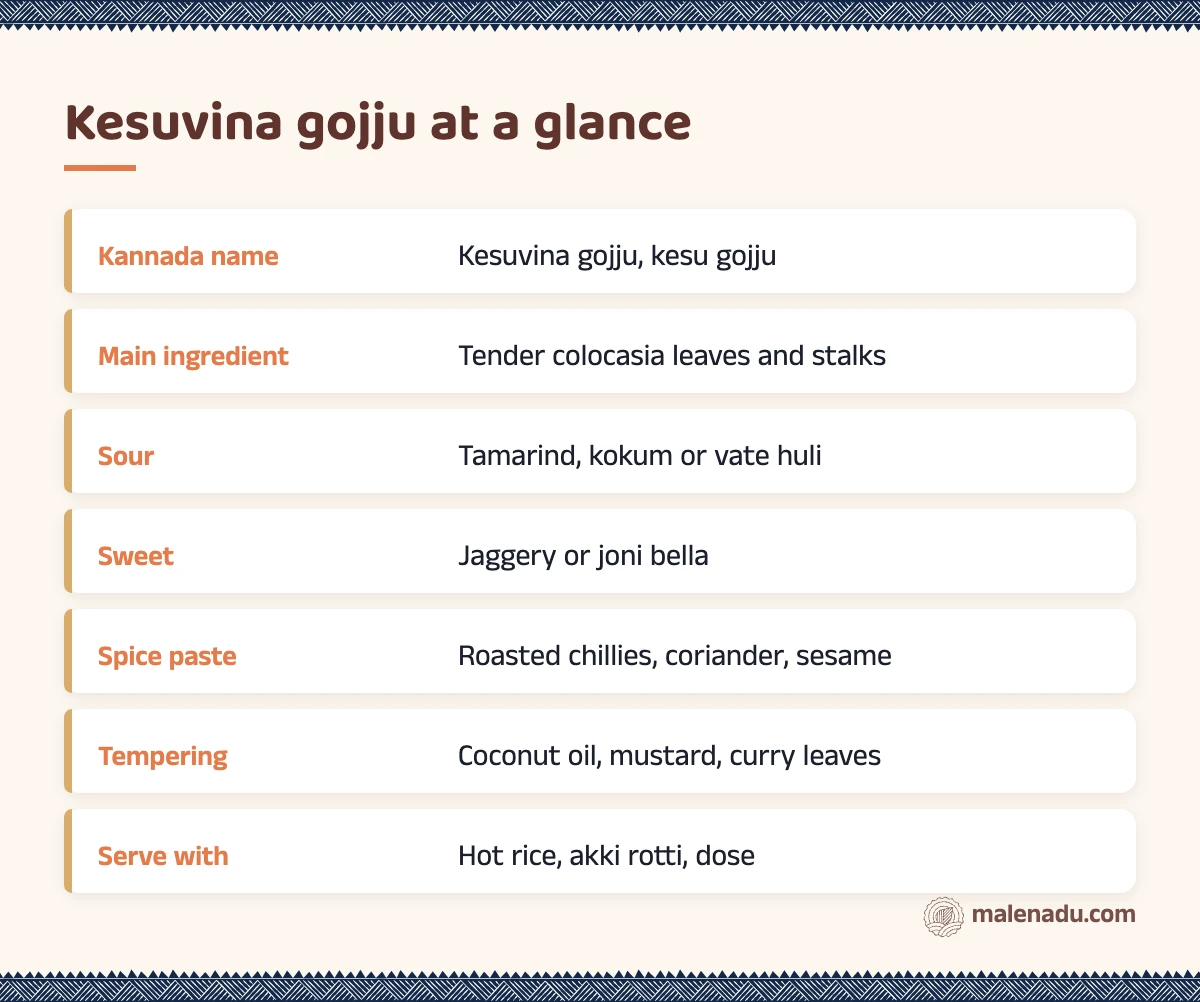
Kesuvina gojju (ಕೆಸುವಿನ ಗೊಜ್ಜು) is a colocasia leaf gojju: a thick relish of chopped colocasia leaves and stalks, cooked with tamarind or another sour, then finished with roasted spices, jaggery and a coconut oil tempering. Kesu (ಕೆಸು) is the Kannada word for colocasia, also called taro or arbi. Kesuvina means “of colocasia”.
Gojju is a family of thick sweet, sour and spicy dishes, a little like a cooked chutney. A spoon of gojju sits on the side of the banana leaf and is mixed with rice, a little at a time. A good kesuvina gojju tastes sour first, then sweet, then hot, with the earthy, slightly smoky taste of the leaves underneath.
Many families call it simply kesu gojju. In some homes it is made thin enough to pour, while in others it is thick and almost dry. Both are right. What matters is that the leaves melt into the sauce and never scratch the throat.
Where does Malenadu kesu grow?
Malenadu kesu grows wild and in gardens wherever the soil stays wet: beside streams, around wells, along the channels of areca gardens and at the edges of paddy fields. It shoots up with the first monsoon rains in June and the leaves are at their best from June to September.
That is why kesuvina gojju is monsoon food. When rain falls for weeks and the market is far, the greens around the house become the vegetables. Kesu, bamboo shoot and wild mushrooms are the three monsoon foods every Malenadu kitchen waits for. Our Malenadu food guide shows where they fit in the meal.
Every family knows its own kesu. Some clumps itch badly however long you cook them, while others are gentle. Older cooks keep the gentle plant growing near the house and pass on suckers from it, so the same “good kesu” stays in a family for years.
Why do colocasia leaves itch and how do you stop it?
Colocasia leaves itch because they hold tiny needle shaped crystals of calcium oxalate that prick the mouth and throat when the leaves are eaten raw or undercooked. A technical bulletin from ICAR’s Central Tuber Crops Research Institute names calcium oxalate as the cause of this “acridity” and notes that boiling, steaming, frying and pressure cooking reduce it. Malenadu cooks have handled this for generations with three simple rules.
- Pick the right leaves. Use tender, fresh green leaves from a plant your family trusts. Old, yellow or torn leaves are more likely to itch.
- Cook them fully. The leaves must be cooked until they collapse into a soft green mass. Half cooked kesu is what gives kesuvina gojju its bad name.
- Add a strong sour. Tamarind, kokum or vate huli always goes in with the leaves. Every Malenadu cook will tell you that kesu without enough huli (sour) will itch.
Soaking also helps. One study on household processing of colocasia leaves found that soaking and cooking each lowered the oxalic acid content of the leaves. Some cooks soak the chopped leaves in water for an hour before cooking for this reason.
Local tip
Rub a little coconut oil on your palms and knife before you chop kesu. The sap can make your hands itch too. If it does, wash with water and rub on a little tamarind pulp.
Always taste a tiny bit of the cooked leaves before you add the spice paste. If you feel even a faint tingle on the tongue, add more sour and cook for another five to ten minutes.
Ingredients for kesuvina gojju, explained
Kesuvina gojju needs only a handful of ingredients. Each one has a job. Here is what goes in and why.
- Colocasia leaves and stalks: the base. Use leaves no bigger than your palm with their tender stalks. Peel the thin skin off the stalks.
- The sour: tamarind is most common. Kokum (murugalu) gives a fruity sour and a deep colour. Vate huli, dried monkey jack fruit, gives the deepest, roundest tang.
- Jaggery: balances the sour and is what makes it a gojju rather than a curry. Grated jaggery or joni bella both work.
- Roasted spice paste: dry red chillies, coriander seeds, a little urad dal, cumin, a few fenugreek seeds and white sesame, roasted and ground with a little coconut.
- Turmeric and salt.
- Tempering: coconut oil, mustard seeds, a dry red chilli, curry leaves and hing.
In Malenadu homes the sour often comes from vate huli instead of tamarind. Its tang is round and fruity and it never makes the gojju taste muddy.
From the malenadu pantry
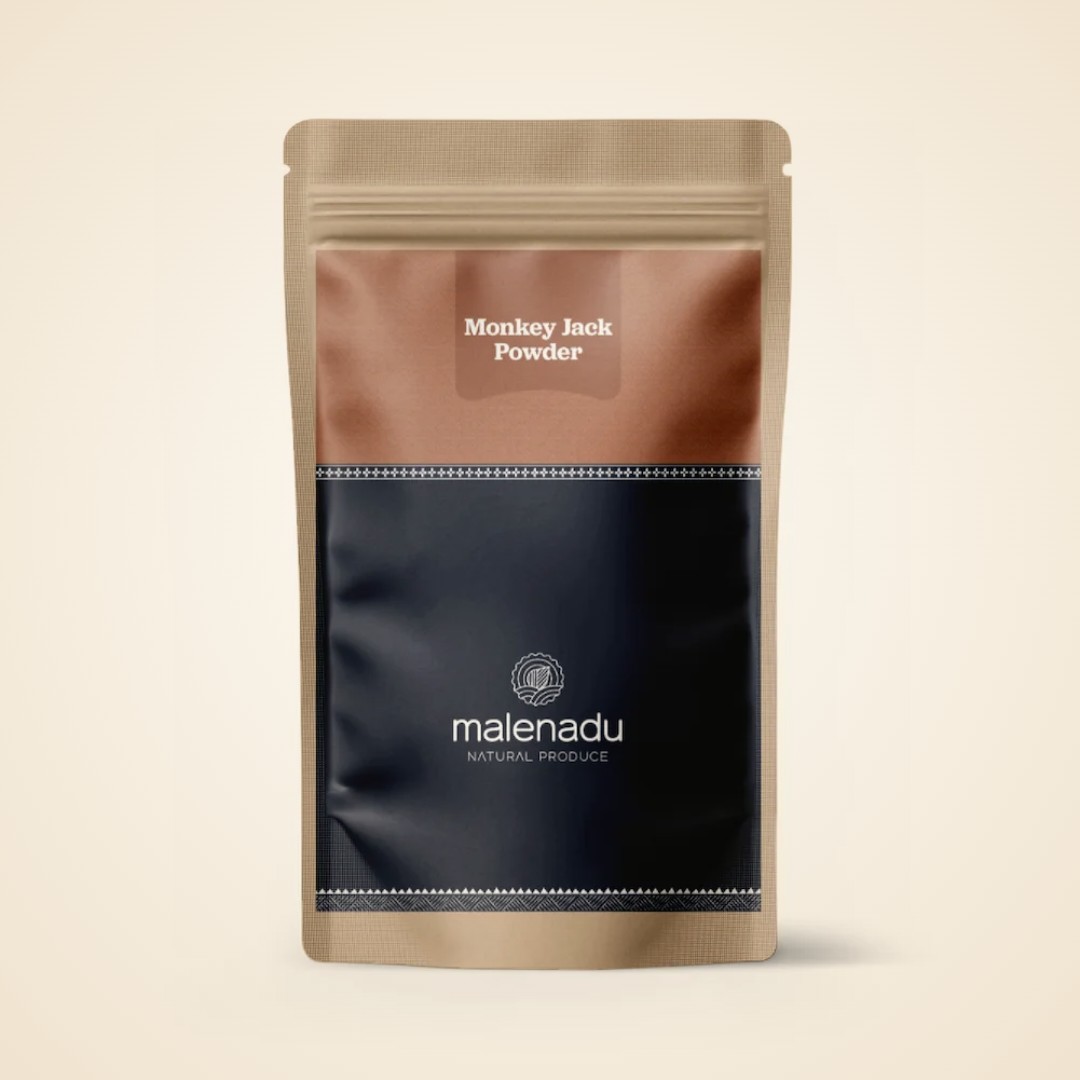
Our Monkey Jack Powder is ground vate huli, the old Malenadu sour. One to one and a half teaspoons replace a lime sized ball of tamarind in kesuvina gojju, with no soaking or straining.
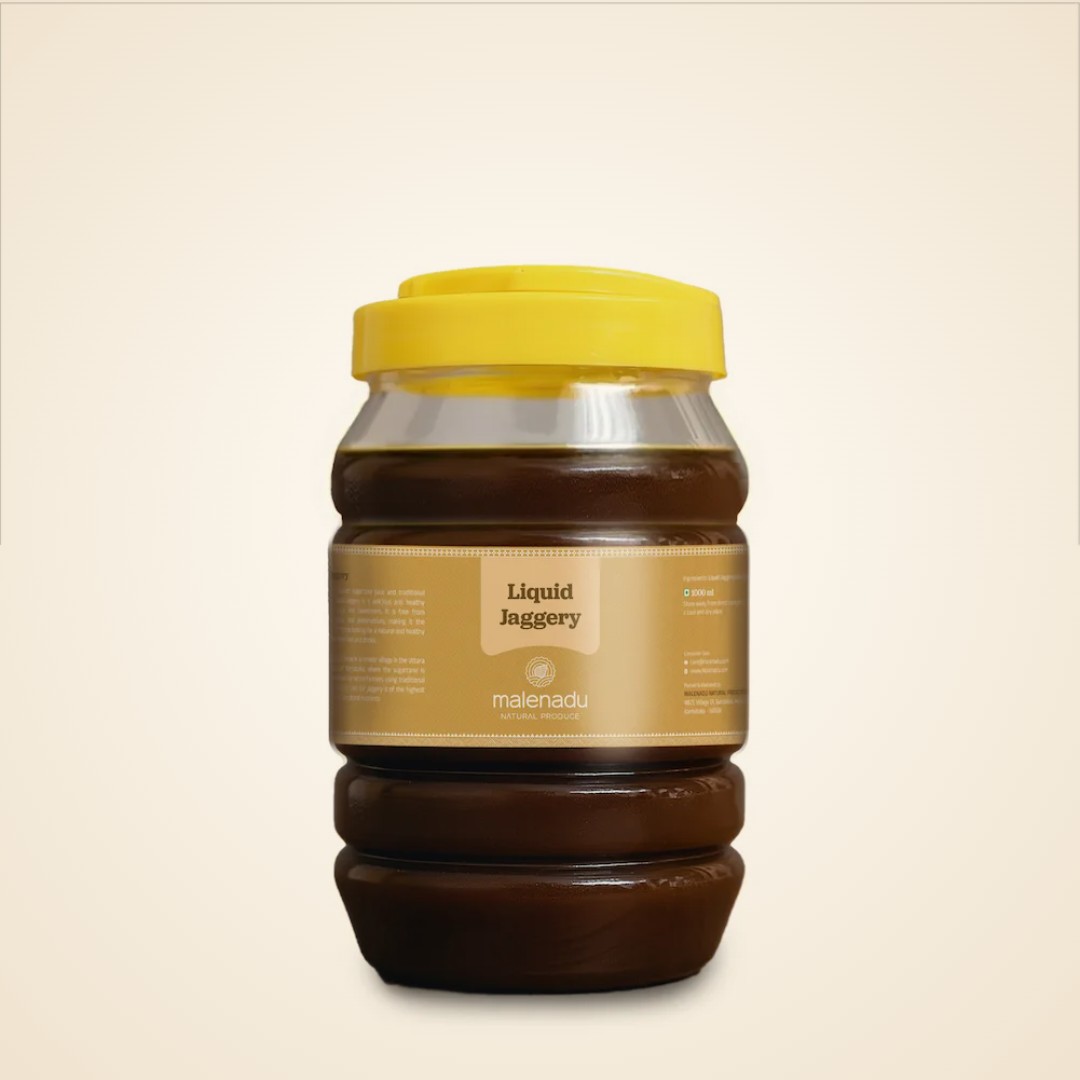
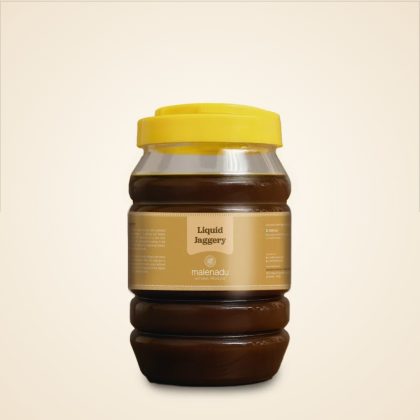
Jaggery is the other half of the balance. Liquid jaggery is the easiest to use here because it stirs straight in and you can add it a spoon at a time, tasting as you go.
From the malenadu pantry
Our Liquid Jaggery, joni bella in Kannada, melts straight into hot gojju without lumps. Three tablespoons are usually right for kesuvina gojju for four. Add the last spoon only after tasting.
Kesuvina gojju recipe: how to make it at home
This kesuvina gojju recipe takes about 45 minutes and serves four with rice. Most of the time is spent cooking the leaves until they are completely soft, so do not rush that part.
Recipe card
Kesuvina Gojju
A thick Malenadu relish of tender colocasia leaves cooked soft with tamarind, then simmered with a roasted chilli and sesame paste, jaggery and a coconut oil tempering.
Ingredients
- 12 to 15 tender colocasia (kesu) leaves with their stalks, about 250 g
- 1 lime sized ball of tamarind, about 20 g (or 1 to 1 1/2 teaspoons monkey jack powder or 8 pieces kokum)
- 1/2 cup warm water, for soaking the tamarind
- 1 cup water, for cooking the leaves
- 1/4 teaspoon turmeric powder
- 1 teaspoon salt (adjust to taste)
- 3 tablespoons liquid jaggery (or 3 tablespoons grated jaggery)
- 1 teaspoon coconut oil, for roasting
- 5 to 6 dry red chillies (use 2 to 3 if they are very hot)
- 1 tablespoon coriander seeds
- 1 teaspoon urad dal
- 1/2 teaspoon cumin seeds
- 1/4 teaspoon fenugreek (methi) seeds
- 1 tablespoon white sesame seeds
- 1/4 cup grated fresh coconut
- 2 tablespoons wood pressed coconut oil, for tempering
- 1 teaspoon mustard seeds
- 1 dry red chilli, broken
- 8 to 10 curry leaves
- a pinch of hing (asafoetida)
Method
- Oil your palms. Wash the leaves well and wipe them dry. Peel the thin outer skin from the stalks, then chop the leaves finely and cut the stalks into 1 cm pieces.
- Soak the tamarind in 1/2 cup warm water for 10 minutes, squeeze it well and strain out the pulp. Skip this step if you use monkey jack powder or kokum.
- Put the chopped leaves and stalks in a heavy pan with the tamarind water, 1 cup water, turmeric and salt. Cover and cook on medium heat for 15 to 20 minutes, stirring now and then, until the leaves turn dark and collapse into a soft mass.
- While the leaves cook, heat 1 teaspoon coconut oil in a small pan. Roast the urad dal, coriander, cumin, fenugreek and red chillies on low heat until the dal turns golden. Add the sesame, roast for 30 seconds until it pops, then turn off the heat.
- Cool the roasted spices and grind them with the grated coconut and a few spoons of water to a thick, smooth paste.
- Taste a tiny bit of the cooked leaves. If there is any tingle, add a little more sour and cook for 5 to 10 minutes more. Then mash the leaves lightly with the back of a ladle.
- Stir in the ground paste and the jaggery. Simmer on low heat for 6 to 8 minutes, stirring, until the gojju is thick and glossy and the raw smell of the paste is gone. Adjust salt, sour and jaggery.
- For the tempering, heat the coconut oil, add mustard seeds and let them splutter. Add the broken chilli, curry leaves and hing, pour it over the gojju at once and cover for 5 minutes before serving.
The finished kesuvina gojju should be dark olive brown, thick enough to sit in a small heap on the plate and smooth with no stringy bits of leaf. It should taste clearly sour and sweet, with the chilli heat coming in last.
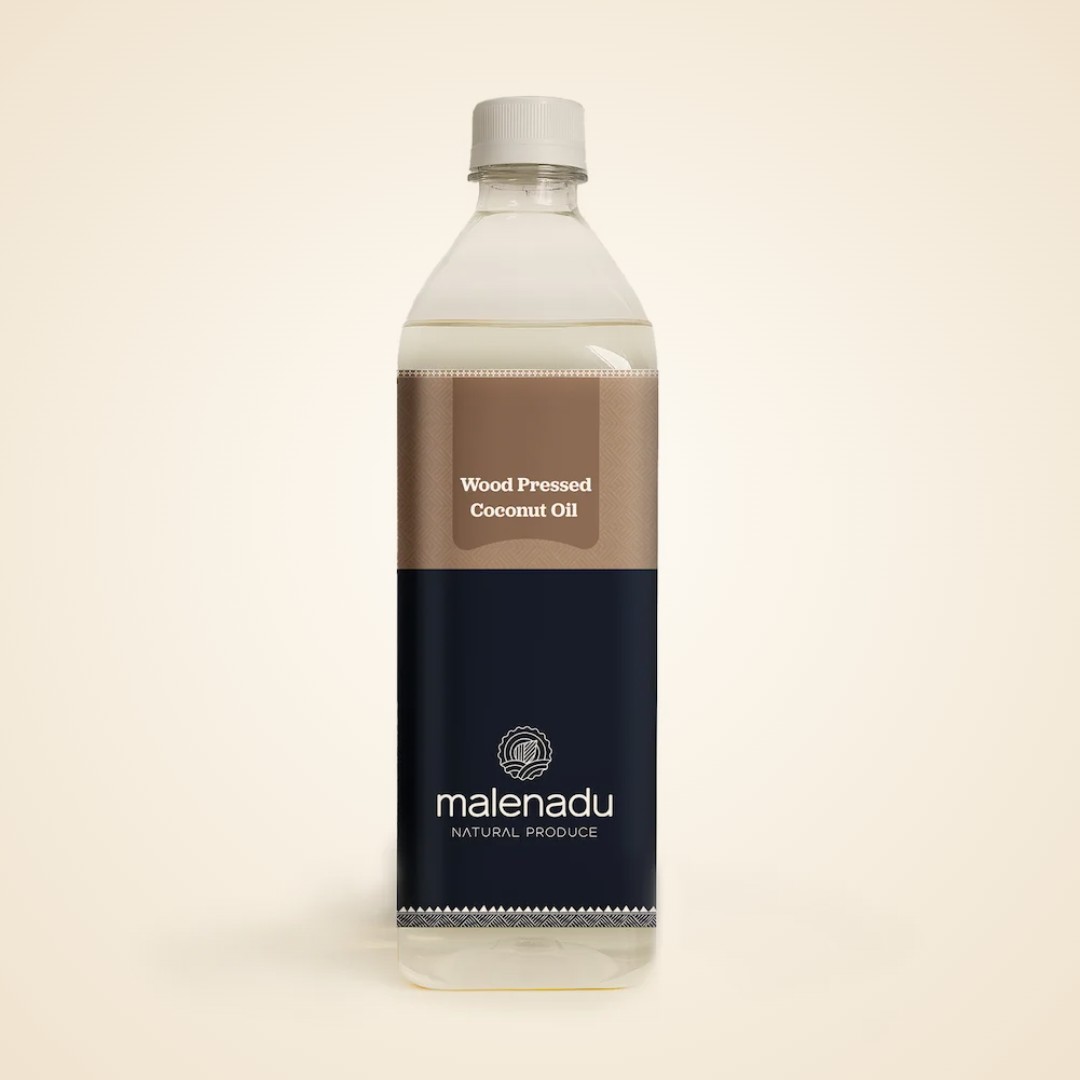
Coconut oil is the right fat for this dish. It is what Malenadu kitchens use for gojju. Its smell carries the whole tempering.
From the malenadu pantry
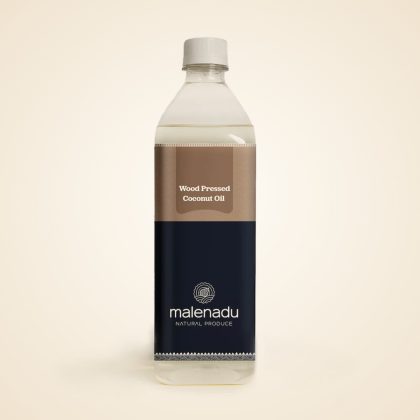
Our Wood Pressed Coconut Oil is pressed from sun dried copra in a wooden ghani. Two tablespoons in the tempering give kesuvina gojju the smell it has in a Malenadu kitchen.
Kesu gojju variations to try
Kesu gojju changes from house to house and from one valley to the next. These five variations are the most common.
Without coconut, with more sesame
Leave out the coconut and double the sesame. This version is darker, sharper and keeps a day longer. Many older cooks prefer it.
With kokum instead of tamarind
Soak 8 pieces of kokum in the cooking water and leave them in while the leaves cook. The colour turns a deep reddish brown and the sour is cleaner. This is the version to make if you already have kokum rind for kokum saaru.
With garlic
In homes that use garlic, fry 6 to 8 crushed cloves in the tempering until golden. It suits the earthy taste of the leaves. Many traditional Havyaka homes skip garlic and onion, so leave it out if you are cooking for them.
Stalks only (kesuvina dantu gojju)
Use only the peeled stalks, cut into short pieces. They cook in a few minutes and stay slightly crunchy. Simmer them with tamarind, jaggery and a spoon of saaru powder for a quick, thinner gojju.
A hotter kesu gojju
Grind one or two gandhari menasu, the tiny bird eye chillies of Malenadu backyards, into the paste in place of two dry red chillies. The heat is sharp and fresh. Our bird eye chilli is very hot, so start with one.
What to serve with kesuvina gojju
Kesuvina gojju is best with plain hot rice and a spoon of ghee, as a side to a simple saaru meal. It also goes well with breakfast staples.
- Rice and ghee: the classic. Mix a little gojju into each mouthful of rice.
- Saaru and tambuli: a monsoon lunch of menthya tambuli, then rice with saaru, with kesuvina gojju on the side.
- Akki rotti: the thick rice flour flatbread of the hills, with gojju instead of chutney.
- Dose and kadubu: a spoon of gojju next to plain dose or steamed kadubu.
- Curd rice: the sweet and sour gojju lifts plain curd rice at the end of a meal.
Other kesu recipes from Malenadu homes
Kesuvina gojju is one of several kesu recipes that Malenadu homes make through the rains. Once you have a good plant, you will want to try the others.
| Dish | What it is | Part used |
|---|---|---|
| Pathrode | Leaves spread with a spiced rice paste, rolled, steamed and sliced | Leaves |
| Kesuvina ele chutney | Leaves cooked with tamarind and ground with roasted dal and coconut | Leaves |
| Kesuvina dantu gojju | Quick gojju of peeled stalks | Stalks |
| Kesuvina gadde palya | Boiled corms stir fried with spices and coconut | Corms |
| Kesuvina gadde huli | Corms cooked in a sour coconut curry | Corms |
The same rule runs through all of them: cook well and never skimp on the sour. For the Kannada names of the leaves, roots and spices in these dishes, see our list of spice and ingredient names in Kannada.
How long does kesuvina gojju keep?
Kesuvina gojju keeps for a day at room temperature and three to four days in the fridge in a clean, closed jar. The sour, jaggery and oil help it keep longer than most vegetable dishes. Always use a dry spoon.
Warm it gently before serving. The gojju thickens as it cools, so stir in a spoon of hot water if needed. If it smells sour in a fermented way or grows mould, throw it out.
Common mistakes when making kesuvina gojju
Most problems with kesuvina gojju come from undercooked leaves or a poor sour and sweet balance. Here is what to watch for.
- Undercooking the leaves. This is what causes itching. Cook until completely soft and taste before adding the paste.
- Too little sour. Kesu needs more sour than most vegetables. Be generous.
- Using old or yellow leaves. They itch more and taste bitter.
- Burning the spices. Roast on low heat. Burnt chillies or fenugreek make the whole gojju bitter.
- Skipping the jaggery. Without it the dish tastes harsh and flat.
- Picking from roadsides or drains. Pick only from clean water and clean soil.
Local tip
Make a double batch of the roasted spice paste and keep half in the fridge for up to a week. The next kesuvina gojju then takes just the cooking time of the leaves.
What to cook next
Kesuvina gojju is one dish in a full monsoon meal. Pair it with our kokum saaru recipe and a tambuli, then explore the rest of the hill kitchen in our Malenadu food guide. The sours, jaggery and oil used on this page are all in our spices section and natural sweeteners.
Bring Malenadu home
Grown and made by Malenadu farmer families, packed by malenadu, a farmer owned producer company in Honnavar.
-
6% OFF
Monkey Jack Powder
Original price was: ₹399.₹375Current price is: ₹375. -
17% OFF
Kokum Rind
Original price was: ₹240.₹200Current price is: ₹200. -
14% OFF
Liquid Jaggery
Original price was: ₹349.₹299Current price is: ₹299. -
24% OFF
Wood Pressed Coconut Oil
Original price was: ₹899.₹679Current price is: ₹679. -
Bird Eye Chilli
₹200 -
13% OFF
Turmeric Powder
Price range: ₹70 through ₹120
Frequently asked questions about kesuvina gojju
What is kesu in English?
Kesu is the Kannada name for colocasia, also called taro or arbi. Kesuvina ele means colocasia leaf and kesuvina gojju is a relish made from those leaves.
Why does kesuvina gojju make my throat itch?
The leaves contain calcium oxalate crystals. Itching means the leaves were undercooked, were old or did not have enough sour, so cook them fully with tamarind, kokum or vate huli.
Which part of colocasia is used for kesuvina gojju?
Tender leaves and their peeled stalks are used. Some families make a quicker gojju with stalks only.
Can I use kokum instead of tamarind in kesuvina gojju?
Yes. Use about 8 pieces of kokum or 1 to 1 1/2 teaspoons of monkey jack powder (vate huli) in place of a lime sized ball of tamarind.
Can I make kesuvina gojju without coconut?
Yes. Leave out the coconut and add more sesame to the spice paste. It turns out darker and sharper and keeps a little longer.
When is colocasia available in Malenadu?
Fresh leaves are best during the monsoon, from June to September, when the plants grow fast beside streams, wells and garden channels.
How long does kesuvina gojju last?
It keeps for a day outside and three to four days in the fridge in a clean, closed jar. Use a dry spoon each time.
Explore more of Malenadu
Malenadu FoodMalenadu FoodRice, kokum, pepper and joni bella from the hills
Malenadu FoodHalasina KadubuSweet jackfruit dumplings steamed in leaves
Malenadu FoodSpices Names in KannadaEnglish, Kannada and Hindi names for a Malenadu kitchen
Malenadu FoodKara KadubuSpicy steamed rice dumplings from Malenadu kitchens
Malenadu FoodKokum SaaruThe sour, peppery everyday rasam of Malenadu homes
Malenadu FoodMenthya TambuliA cool fenugreek and curd side for the first rice course
Malenadu FoodMalenadu FruitsJackfruit, kokum, wild mango and the fruits of the forest
Malenadu FoodAppe Midi PickleThe whole tender mango pickle of Malenadu homes
Start hereMalenadu in KarnatakaWhere Malenadu is, what the name means